

Animation has evolved significantly over the years, with studios like Disney and Pixar leading the way in innovative techniques. The art form has seen many changes, from traditional hand-drawn methods to cutting-edge computer-generated imagery. These shifts in style often reflect advances in technology, changes in leadership, or attempts to captivate audiences in new ways.
As animation studios grow and adapt, their visual approaches transform too. This evolution is evident in the diverse range of styles seen across animated films. From classic 2D animation to stop-motion and 3D computer animation, each technique brings its own unique charm to storytelling. The ongoing development of animation styles continues to shape the industry and delight viewers of all ages.
Flowers and Trees (1932) – Disney’s Color Breakthrough
Walt Disney’s animated short “Flowers and Trees” marked a major leap forward in animation technology. Released in 1932, it was the first cartoon to use the full three-strip Technicolor process. This vibrant use of color set it apart from earlier black-and-white animations.
The film was part of Disney’s “Silly Symphonies” series, which started in 1929. These shorts allowed Disney to try new ideas between Mickey Mouse cartoons. “Flowers and Trees” was actually in production as a black-and-white film when Disney decided to remake it in color.
Disney saw huge potential in color animation. He believed it could greatly improve cartoons. This led him to get an exclusive deal to use Technicolor in animation for two years. The gamble paid off. “Flowers and Trees” won the first Academy Award for Animated Short Subject. Its success convinced Disney to use color in all future projects starting in 1935.
This colorful short paved the way for future Disney classics. It showed how color could bring animated worlds to life in new and exciting ways.
Snow White and the Seven Dwarfs (1937) – New Animation Methods
View this post on Instagram
Disney’s first full-length animated movie broke new ground with its advanced techniques. The film used rotoscoping to make characters move more smoothly. This process involved tracing live-action footage of actors. For Snow White, model Marge Champion acted out scenes that animators then used as a guide.
The movie also introduced the multiplane camera. This special device added depth to flat drawings. It worked by stacking multiple layers of artwork on glass sheets. The camera could move through these layers, creating a 3D-like effect.
These innovations helped bring Snow White’s world to life in ways never seen before. The realistic movements and rich backgrounds set a new standard for animated films. Disney’s willingness to try new methods paid off, as the movie wowed audiences with its visual magic.
Pinocchio’s Groundbreaking Animation Techniques
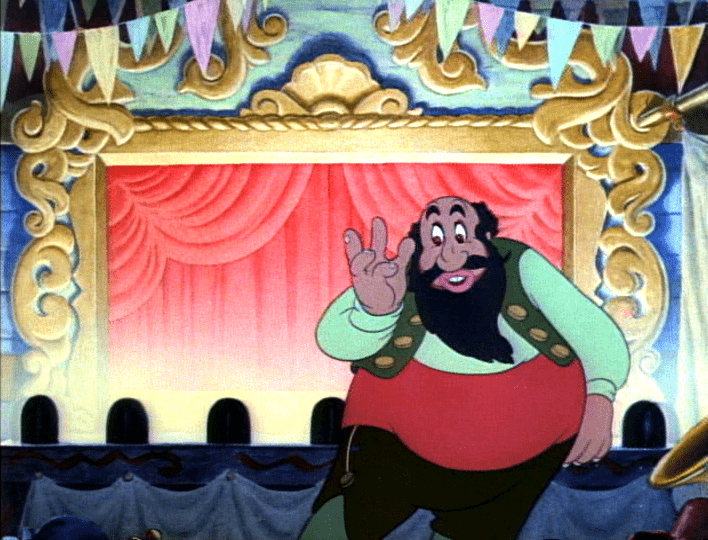
Disney’s 1940 film Pinocchio marked a leap forward in animation technology. The studio built 3D models of characters and sets, including detailed scale models of every cuckoo clock in Geppetto’s workshop. This approach gave animators new ways to visualize scenes and create more realistic movements.
The water effects in Pinocchio were especially impressive. From Cleo’s fishbowl to the dramatic encounter with Monstro the Whale, the film featured many water scenes. One animator spent a full year working solely on water animation. The techniques developed for Pinocchio set a new standard and influenced Disney films for decades to come.
Key innovations in Pinocchio:
- 3D character models
- Scale models of set pieces
- Advanced water animation
- Detailed cuckoo clock replicas
These advancements helped bring Pinocchio’s world to life in ways that hadn’t been seen before. The film pushed animation forward and showed what was possible with careful planning and new approaches to familiar challenges.
Sleeping Beauty (1959) – Artistic Style and Widescreen Format
View this post on Instagram
Sleeping Beauty marked a bold shift in Disney’s approach to animation. The film’s eye-catching backgrounds were crafted by artist Eyvind Earle. His work gave the movie a unique look that set it apart from earlier Disney productions. The studio took a risk by allowing Earle to push the boundaries of their usual style.
The film also broke new ground in how it was shown in theaters. Disney used Technirama 70mm to present Sleeping Beauty on the big screen. This wide format was brand new at the time. It made the movie look different from TV shows, which were becoming more popular. The larger picture helped showcase the detailed artwork and made the film feel more grand.
New Animation Techniques for 101 Dalmatians
View this post on Instagram
In 1961, Disney faced a big task – bringing 101 spotted dogs to life on screen. They needed a faster way to make movies. Ub Iwerks came up with a smart idea called xerography. This let them print drawings right onto the film cells. It was much quicker than drawing each cell by hand.
The new method was perfect for 101 Dalmatians. It made animating all those puppies easier. Disney kept using xerography for many years after that. They only stopped when they made The Little Mermaid. This change helped Disney make more movies without spending too much time or money.
The Great Mouse Detective: Early Computer Animation
View this post on Instagram
Disney took its first steps into computer-generated imagery with The Great Mouse Detective in 1986. The Big Ben chase scene showcased this new technology. Sharp-eyed viewers can spot the difference between the hand-drawn characters and the computer-animated clock gears. This blend of old and new techniques was a testing ground for Disney. It marked the start of CGI use in their films, years before it became common in the 1990s.
Blending Reality and Animation in Who Framed Roger Rabbit?
Who Framed Roger Rabbit? broke new ground in 1988 with its seamless mix of live-action and animation. This film took the concept of blending real actors with cartoon characters to new heights. Unlike earlier attempts, it created a world where humans and animated figures shared the screen in a way that felt natural and believable.
The movie’s success came from its careful attention to detail. Animators worked hard to make cartoon characters interact with real objects and people. This made the movie’s world feel real and alive. Lighting, shadows, and physics were all carefully done to match the live-action footage.
Beauty and the Beast: Blending Traditional and Digital Animation
Beauty and the Beast marked a turning point in Disney animation. It mixed hand-drawn characters with computer-generated backgrounds. This blend created a stunning visual experience, especially in the famous ballroom scene.
The ballroom sequence used new digital tools to add depth and movement. Artists could now create sweeping camera angles that were impossible before. This gave the scene a magical, three-dimensional feel. Disney worked with Pixar to test these new techniques. They used a system called CAPS (Computer Animation Production System). CAPS allowed artists to do more of their work digitally.
The mix of old and new methods in Beauty and the Beast paved the way for future animated films. It showed how technology could enhance traditional animation without replacing it entirely.
Changing Shapes in the Sky
Disney pushed computer animation forward in Hercules. The movie showed off new ways to make things change shape smoothly. This was clear in the Mount Olympus scenes. The clouds there didn’t just float by. They morphed and shifted in fluid motions. This gave the sky a magical feel. It made the heavens seem alive and always changing. The effect helped blend the hand-drawn art with digital touches.
Chicken Little – Disney’s First Full CGI Movie
View this post on Instagram
Chicken Little marked a big change for Walt Disney Animation Studios. It was their first movie made fully with computer-generated imagery (CGI). The movie came out in 2005.
Making this film was tough. The animators had to learn new ways to create characters and scenes. They also kept changing the story as they worked.
The director, Mark Dindal, said it felt like making a real movie inside a computer. They built digital sets and looked around them like real places.
This new 3D animation style let Disney do things they couldn’t before. They could make more detailed worlds and characters that moved in new ways.
The Return of Hand-Drawn Magic
Disney went back to its roots with The Princess and the Frog in 2009. This movie marked a return to traditional 2D animation. The studio dusted off old drawing tables and paint stations to create this charming tale.
The film follows Disney’s tried-and-true princess formula. It joins the ranks of classics like Snow White and The Little Mermaid. These princess stories often kick off new eras for the studio.
The Princess and the Frog puts a fresh spin on a well-known fairy tale. It brings back the classic Disney style fans love. The hand-drawn art gives the movie a warm, nostalgic feel.
Tangled: A New Era of Disney Animation
Tangled marked a turning point for Disney’s animation style. The studio shifted to computer-generated imagery (CGI) to keep pace with other animation powerhouses. This move helped Disney create a fresh visual approach for their fairy tale adaptations.
The film showcased remarkable advances in digital animation. Rapunzel’s hair was a standout feature, with its fluid and lifelike movements. This technical achievement set a new standard for animated character design.
Disney’s CGI style in Tangled became a template for future hits. Movies like Frozen and Moana built on this foundation, refining the look even further. The studio had found its footing in the world of 3D animation, blending classic storytelling with cutting-edge technology.
Conclusion
The evolution of animation has been nothing short of remarkable. From Disney’s early breakthroughs in Flowers and Trees to the fully CGI world of Chicken Little, each leap forward has shaped the way stories are told.
Looking back, it’s incredible to see how far animation has come, and yet, its heart remains the same—bringing unforgettable stories and characters to life.