
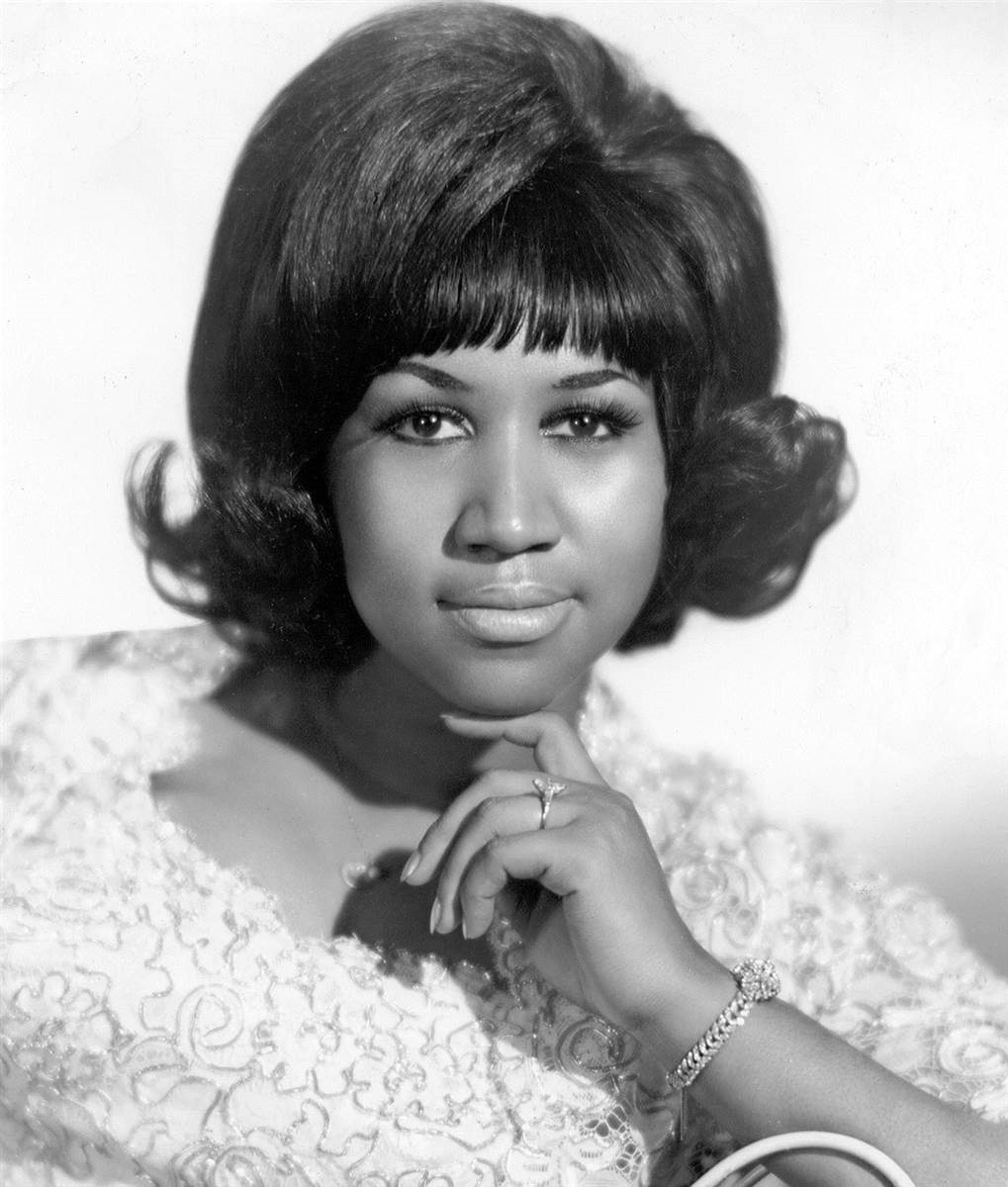
Few artists have defined a genre and inspired generations the way Aretha Franklin did. A powerhouse vocalist, legendary performer, and barrier-breaking artist, Franklin’s journey from gospel roots to global superstardom remains one of music’s most powerful success stories.
With a voice that could shake walls and stir souls, she became the undisputed Queen of Soul, earning 18 Grammy Awards, charting over 100 singles, and leaving behind a legacy that continues to shape music today.
Early Life and Gospel Beginnings
Aretha Louise Franklin was born on March 25, 1942, in Memphis, Tennessee, to C.L. Franklin, a prominent Baptist minister, and Barbara Siggers Franklin, a gospel singer and pianist. When Aretha was six, her parents separated. Just before her 10th birthday, her mother passed away from a heart attack.
Following the loss, Aretha moved with her father and siblings to Detroit, Michigan, where her father served at New Bethel Baptist Church. It was here that Franklin began singing and playing piano, quickly becoming known as a child prodigy.
Surrounded by gospel legends like Mahalia Jackson, Clara Ward, and Sam Cooke, Aretha’s musical talent blossomed. She began performing at church and eventually recorded gospel tracks during her teen years.
Launching a Secular Music Career

At age 18, Franklin made the move from sacred to secular music. She signed her first record deal with Columbia Records in 1960. Her debut single, “Today I Sing the Blues,” reached the Top 10 on the R&B chart.
In 1961, she had her first Top 40 pop hit with “Rock-a-Bye Your Baby with a Dixie Melody.” Though she showed promise, her Columbia recordings were more jazz and pop-focused, not fully capturing her gospel-rooted soul.
Atlantic Records and Breakthrough Success

In 1967, Franklin moved to Atlantic Records, a turning point that unlocked her full potential. Her first single for the label, “I Never Loved a Man (The Way I Love You),” soared to:
-
#1 on the R&B chart
-
#9 on the Billboard Hot 100
What followed was an astonishing run of hits that solidified her status:
-
“Respect” – Her defining anthem and first #1 pop hit
-
“Chain of Fools”
-
“(You Make Me Feel Like) A Natural Woman”
-
“Think”
-
“Baby I Love You”
-
“Since You’ve Been Gone”
-
“I Say a Little Prayer”
In just two years, Aretha Franklin became a household name. Her powerful voice, emotional depth, and social impact earned her the rightful title of Queen of Soul.
1970s: Continued Hits and Gospel Revival
The 1970s brought more success—though disco’s rise did challenge her commercial dominance. Still, Franklin remained relevant with charting singles like:
-
“Bridge Over Troubled Water”
-
“Spanish Harlem”
-
“Rock Steady”
-
“Day Dreaming”
-
“Until You Come Back to Me”
In 1972, she returned to her gospel roots with the release of Amazing Grace, a live gospel album that sold over 2 million copies and became one of the best-selling gospel albums of all time.
That same year, she sang at the funerals of Mahalia Jackson and Martin Luther King Jr., both close family friends and civil rights leaders.
Career Challenges and Comebacks
By the late 1970s, Aretha’s record sales began to dip. In 1979, her father was shot during a home invasion and remained in a coma until his death in 1984. At the same time, Franklin faced IRS troubles and personal upheavals, including a divorce from her second husband.
But Aretha rebounded. Her cameo in the 1980 film The Blues Brothers, performing “Think,” introduced her to a new generation. Then came her move to Arista Records, where her music got a fresh update.
In 1982, she released Jump to It, which went gold. Her next album, Who’s Zoomin’ Who? (1985), became her biggest commercial success, certified platinum and featuring hits like:
-
“Freeway of Love”
-
“Another Night”
-
“Who’s Zoomin’ Who?”
Later Hits and Honors
In 1986, she followed up with the album Aretha, which earned gold status. That same year, her duet with George Michael, “I Knew You Were Waiting (For Me),” became a #1 hit in both the U.S. and the UK.
In 1987, Franklin made history as the first woman inducted into the Rock and Roll Hall of Fame.
Over the next two decades, she continued releasing albums, including:
-
Through the Storm (1989)
-
What You See Is What You Sweat (1991)
-
A Rose Is Still a Rose (1998)
-
So Damn Happy (2003)
-
Aretha: A Woman Falling Out of Love (2011)
Presidential Performances and Public Recognition

Aretha Franklin’s national presence extended beyond music. She sang at the inaugurations of:
-
Jimmy Carter (1977)
-
Bill Clinton (1994)
-
Barack Obama (2009)
She also received numerous awards, including:
-
18 Grammy Awards
-
National Medal of Arts
-
Presidential Medal of Freedom (2005)
-
Kennedy Center Honors (1994)
-
Honorary Grammy Lifetime Achievement Award (1994)
Final Years and Death
In her later years, Franklin’s health declined. She canceled many concerts due to undisclosed illnesses, later revealed to be pancreatic cancer. Her final full concert was held at the Ravinia Festival in Illinois in 2017.
On August 16, 2018, Aretha Franklin passed away at her home in Detroit, surrounded by family. She was 76 years old.
Her funeral was held at Greater Grace Temple in Detroit and attended by dignitaries, celebrities, and fans. Tributes came from across the globe, with performances by Ariana Grande, Jennifer Hudson, Stevie Wonder, and messages from former President Bill Clinton and others.
Aretha’s Legacy
Over her five-decade career, Aretha Franklin:
-
Charted 113 singles, including
-
16 Top 10 pop hits
-
20 #1 R&B hits
-
-
Sold millions of records worldwide
-
Inspired countless artists across R&B, soul, gospel, and pop
-
Stood as a symbol of Black excellence, feminism, and civil rights
Her voice remains timeless. Her songs still resonate. And her influence on music is immeasurable.