
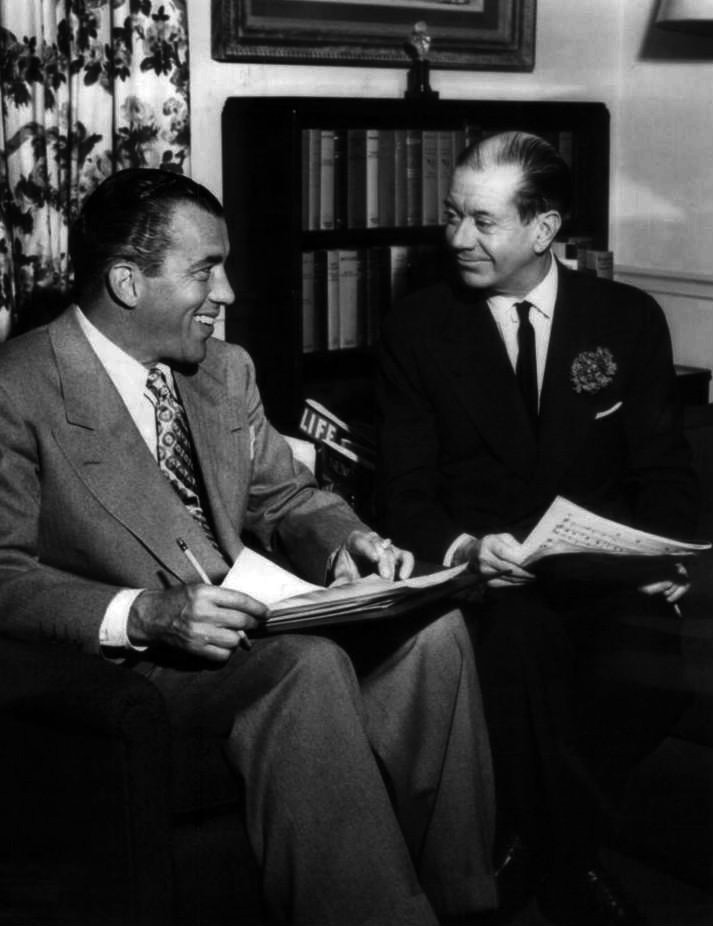
Before streaming platforms and cable television, millions of Americans spent Sunday nights gathered around their TV sets watching The Ed Sullivan Show. From 1948 to 1971, this variety program brought music, comedy, dance, theater, and even circus acts into American homes.
It was more than entertainment—it was a national event. Many of the most iconic moments in music and television history happened on Ed Sullivan’s stage. From The Beatles’ U.S. debut to the rise of Elvis Presley, the show helped shape pop culture.
Here are some fascinating facts about one of television’s most influential shows.
A Brief History of the Show
The Ed Sullivan Show premiered on June 20, 1948, on CBS. It aired every Sunday night, first as Toast of the Town, and officially adopted its better-known name in 1955.
The show ran for 24 seasons, airing at 8 p.m. Eastern Time from 1948 to 1971, a remarkable run for any TV program—especially one in the same weekly time slot.
It offered a broad mix of performers, from Broadway acts and opera singers to stand-up comedians, rock bands, and animal acts. It was essentially the last great evolution of the vaudeville tradition on television.
The Show’s Creator and Producers
David Marlo Lewis co-created and produced the show alongside Ed Sullivan, who was originally a newspaper columnist with no entertainment hosting experience. Yet, his serious demeanor and direct style became part of the show’s charm.
Sullivan wasn’t flashy. He wasn’t smooth like other hosts. But his no-nonsense style made him trustworthy, and performers respected his influence.
From Studio 51 to the Ed Sullivan Theater
The show started out at CBS-TV Studio 51 (Maxine Elliott Theatre), located at Broadway and 39th Street in New York. It later moved to CBS Studio 50 at Broadway and 53rd, which was renamed the Ed Sullivan Theater in 1968 to mark the show’s 20th anniversary.
That same theater is now the home of The Late Show with Stephen Colbert.
The Beatles’ Big Break in America

When Ed Sullivan spotted Beatlemania at London’s Heathrow Airport in 1963, he hadn’t yet heard of the band. A few months later, he gave them their U.S. television debut on February 9, 1964. That night, over 73 million viewers tuned in—a record-breaking number.
The Beatles would appear on the show nine times, helping launch their American popularity and changing the U.S. music landscape forever.
Elvis Presley’s Gyrating Legacy
Elvis Presley made three appearances on The Ed Sullivan Show, even though Sullivan initially thought the singer was “too vulgar.” Presley’s sexually charged performances had sparked public concern. On his third and final appearance in January 1957, CBS cameras only filmed him from the waist up.
Despite the controversy, his appearances helped cement his status as a rock ‘n’ roll icon.
Jokes, Puppets, and Pop Culture
The show featured more than just musicians. Recurring acts included:
-
Topo Gigio, the “Little Italian Mouse” puppet, who debuted in 1962
-
Señor Wences, a popular ventriloquist known for his talking hand
-
Comedians like George Carlin, Joan Rivers, and Richard Pryor
-
Magicians, animal acts, and world-famous circus performers
The show’s wide appeal kept families of all ages engaged every Sunday night.
Live Broadcasts from Around the World
While most episodes were filmed in New York, The Ed Sullivan Show occasionally went international. Episodes aired from the UK, Australia, Japan, and other locations. These special broadcasts gave American viewers a glimpse of cultures and performers from around the world—something rare on TV at the time.
Sullivan’s Unfiltered Personality
Though he was widely respected, Ed Sullivan was also known for being strict and occasionally difficult. If a performer failed to follow his instructions, there was a good chance they wouldn’t be invited back.
Notable clashes involved:
-
Buddy Holly, over last-minute setlist changes
-
Bo Diddley, who played the wrong song
-
Jim Morrison and The Doors, for ignoring censorship requests
Still, Sullivan’s influence was so strong that a single appearance could launch a career.
Transition to Color and Studio Upgrades
CBS began airing the show in color in September 1965, though earlier episodes remained in black and white. The final black-and-white episode aired on September 12, 1965, which featured The Beatles in its season premiere.
Studio 50 (Ed Sullivan Theater) received updates to accommodate color broadcasts. Studio 72, a larger facility, was used occasionally for musical specials like Rodgers and Hammerstein’s Cinderella.
The Beginning of the End

By the late 1960s, The Ed Sullivan Show began losing younger viewers. Sullivan realized that competition from modern programs and changing tastes meant the show needed top-tier acts to stay relevant.
However, advertisers began targeting younger demographics, and Sullivan’s older-skewing audience became less attractive to networks. CBS canceled the show on March 16, 1971, amid a wider purge of “old-guard” programming.
The final original broadcast aired on March 28, 1971, featuring Melanie, Joanna Simon, Sandler & Young, and Danny Davis and the Nashville Brass.
The Show’s Legacy Continued
Sullivan didn’t get a farewell episode, but he continued producing TV specials for CBS until his death in 1974. One notable special was the 25th Anniversary tribute in 1973.
The Sullivan Library and SOFA Entertainment
In 1990, television producer Andrew Solt created SOFA Entertainment, which bought the rights to the entire Ed Sullivan archive. That included over 1,000 hours of footage, comprising performances, monologues, interviews, and skits.
SOFA has since released various compilation DVDs, TV specials, and licensed footage for documentaries and retrospectives. Thanks to their work, The Ed Sullivan Show continues to reach new generations.
Quick Facts and Milestones
-
The show ran for 24 seasons from 1948 to 1971.
-
Its original name was Toast of the Town.
-
Charles Laughton once guest-hosted for Sullivan after a serious car accident.
-
Sullivan often mispronounced names or forgot details—he once called The Supremes “the girls.”
-
Sullivan was known as a “kingmaker,” giving acts like Barbra Streisand, The Rolling Stones, and James Brown major exposure.
Final Thoughts
The Ed Sullivan Show helped define an era of television. It brought families together, introduced international stars, and showcased a range of performances unlike any other program of its time. From Elvis and The Beatles to opera singers and puppet mice, the show had something for everyone.
Even today, its influence is clear. Modern talent shows, late-night talk shows, and televised music events all owe something to the legacy of The Ed Sullivan Show—a show that truly earned its place in entertainment history.