
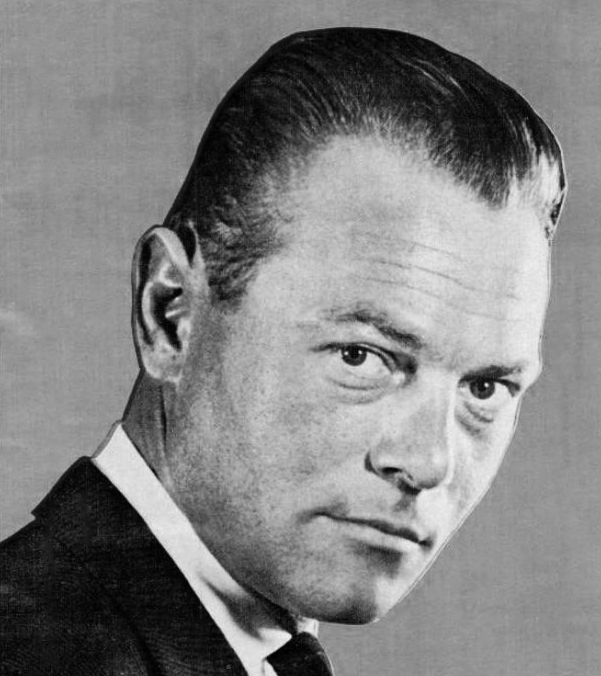
Bert Kaempfert was a German bandleader, composer, arranger, and producer who made a lasting mark on popular music in the 1960s and 1970s. Best known for his international hit “Wonderland by Night”, Kaempfert fused big band jazz, swing, easy listening, and lush orchestral arrangements into a sound that appealed to listeners across generations.
Though primarily associated with instrumental pop, Kaempfert was also a prolific songwriter. His compositions became hits for artists like Frank Sinatra, Elvis Presley, and Nat King Cole. He also played a crucial early role in the Beatles’ career by producing their first commercial recording—albeit as the backing band for Tony Sheridan. Kaempfert’s influence on music stretched far beyond his own recordings.
| Field | Details |
|---|---|
| Full Name | Berthold Heinrich Kaempfert |
| Stage Name | Bert Kaempfert |
| Born | October 16, 1923 – Hamburg, Germany |
| Died | June 21, 1980 – Mallorca, Spain |
| Genres | Easy Listening, Orchestral Pop, Big Band, Swing |
| Main Instruments | Piano, Accordion, Clarinet, Saxophone |
| Breakout Hit | “Wonderland by Night” (1960) – US #1 |
| Famous Compositions | “Strangers in the Night,” “Wooden Heart,” “Spanish Eyes,” “Danke Schoen,” “L-O-V-E” |
| Role with The Beatles | Produced their first commercial recordings with Tony Sheridan |
| Label Associations | Polydor (Germany), Decca (US) |
| Legacy | Pioneered modern orchestral pop and influenced generations of pop and jazz musicians |
Early Life and Musical Roots
Bert Kaempfert was born Berthold Kaempfert on October 16, 1923, in the Barmbek district of Hamburg, Germany. He showed early signs of musical talent, learning to play piano, accordion, clarinet, and saxophone. By his teenage years, it was clear that music would define his future.
Despite the political and economic turmoil of 1930s Germany, Kaempfert found inspiration in American swing and big band music, especially artists like Benny Goodman and Glenn Miller. These early influences would shape the sound that later made him world-famous.
World War II and Post-War Career
View this post on Instagram
During World War II, Kaempfert served as a bandsman in the German Navy and also played with the orchestra led by Major Hans Bussch. After the war, he returned to Hamburg and resumed his musical career, this time as a civilian bandleader.
In the late 1940s and early 1950s, Kaempfert assembled his own orchestra and began touring across post-war Germany. His blend of light jazz and orchestral music gained a following, and his reputation led to a role as house producer and arranger for Polydor Records.
Early Success with Polydor
While working at Polydor, Kaempfert produced records for artists such as:
-
Freddy Quinn – One of Germany’s most popular singers at the time
-
Ivo Robić – A Croatian singer whose song “Morgen” (produced by Kaempfert) reached #13 on the US Billboard chart in 1959
These early successes gave Kaempfert the confidence to pursue a solo recording project under his own name.
“Wonderland by Night”: Breakthrough Hit
View this post on Instagram
In 1960, Kaempfert recorded the instrumental “Wonderland by Night”, composed by Klaus Günter Neumann. He arranged and produced the track, featuring a haunting trumpet solo by Charly Tabor. However, the song didn’t gain traction in Germany, so Kaempfert offered it to Decca Records in the United States.
Decca released the single in August 1960. By November, it entered the Billboard Hot 100, and by January 1961, it reached #1, staying there for three weeks. It also peaked at #5 on the R&B chart, a rare feat for an orchestral pop tune.
This success catapulted Kaempfert into international stardom. He followed it with more charting instrumentals such as:
-
“Afrikaan Beat”
-
“A Swingin’ Safari”
-
“Red Roses for a Blue Lady”
-
“Three O’Clock in the Morning”
-
“Strangers in the Night” (later popularized by Sinatra)
A Gateway for the Beatles
Although Kaempfert wasn’t known for rock and roll, he played a pivotal role in launching The Beatles’ recording career.
In 1961, Kaempfert signed Tony Sheridan, a British rock and roll singer performing in Hamburg. Needing a backing band for Sheridan’s album, Kaempfert auditioned a young Liverpool group called The Beatles, then composed of John Lennon, Paul McCartney, George Harrison, and Pete Best.
The result was the album My Bonnie, credited to Tony Sheridan and The Beat Brothers (a marketing decision made by Polydor). Kaempfert produced the sessions, which included early versions of:
-
“My Bonnie”
-
“Ain’t She Sweet”
-
“Cry for a Shadow” (an instrumental by Harrison and Lennon)
Although not a huge hit, the album gained attention in Liverpool. A teenager named Raymond Jones asked for it at Brian Epstein’s record store. Epstein became intrigued, saw the band perform, and eventually became their manager. The rest is history.
Without Kaempfert’s involvement, The Beatles’ path to discovery may have taken longer or looked quite different.
Composer of Pop Standards
Beyond his conducting, Kaempfert also wrote (or co-wrote) several songs that became pop classics for other artists:
-
“Strangers in the Night” – A #1 hit for Frank Sinatra in 1966
-
“Wooden Heart” – Sung by Elvis Presley in G.I. Blues (UK #1, US #1 Adult Contemporary)
-
“Spanish Eyes” – Based on Kaempfert’s instrumental “Moon Over Naples,” turned into a hit for Al Martino
-
“Danke Schoen” – A signature tune for Wayne Newton
-
“L-O-V-E” – Recorded by Nat King Cole and covered by many others
Kaempfert often collaborated with lyricists Milt Gabler, Herbert Rehbein, and Charles Singleton, combining melodic orchestration with accessible lyrics.
Later Career and Legacy
Although Kaempfert’s style fell out of favor as musical trends shifted toward rock, funk, and disco, he maintained a strong fan base—particularly in Europe. He continued recording and touring throughout the 1970s, and his music remained popular in the easy listening market.
His influence was far-reaching. Artists such as:
-
Anita Kerr Singers
-
Bobby Hackett
-
Johnny Mathis
-
James Last
… all covered or were inspired by Kaempfert’s lush arrangements.
Death and Posthumous Recognition
Bert Kaempfert died suddenly of a stroke on June 21, 1980, at the age of 56, at his home in Mallorca, Spain. Though his passing was premature, his music lives on in films, commercials, and reissues.
His work has been celebrated in numerous tribute albums, and his recordings are still widely available on streaming platforms. The Bert Kaempfert estate also maintains official archives, publishing rare recordings, scores, and biographical materials.
Conclusion
Bert Kaempfert was a master of melody and mood. From his chart-topping instrumentals to his enduring pop compositions, he left a musical blueprint for elegance, craftsmanship, and sonic sophistication. His indirect but pivotal role in The Beatles’ rise adds yet another dimension to his legacy.
In an era of rapid musical change, Kaempfert’s timeless arrangements offered beauty and warmth—qualities that continue to resonate today.