

The early 1960s still carried the sound of the previous decade. Artists like Elvis Presley, Ray Charles, Dion, and The Everly Brothers were still releasing hits. Some singers, like Patsy Cline, had started in the ’50s but didn’t see big success until the early ’60s.
New Sounds, New Directions
By 1963, American culture began to shift. The assassination of President John F. Kennedy, the rise of the Civil Rights Movement, and the growing Vietnam War all influenced music. Styles began to change. Surf rock, folk revival, girl groups, and the lush production style of Phil Spector’s “Wall of Sound” made their mark. Motown, Stax, and Atlantic Records brought more Black artists into the pop spotlight.
The British Invasion Begins

In 1964, The Beatles arrived in the U.S. and changed everything. Their hit “I Want to Hold Your Hand” topped the Billboard chart. This moment kicked off the “British Invasion,” with U.K. bands like The Rolling Stones, The Animals, and The Yardbirds following close behind. These groups had been inspired by American blues and rock, but soon developed their own sound.
American Bands Strike Back
Young American musicians were inspired by the British Invasion. Garage rock bands began to form across the country. These bands were loud, raw, and full of energy. At the same time, lyrics started to reflect bigger themes—civil rights, war, and social change. Psychedelic rock, shaped by the counterculture and drug experimentation, emerged. Bubblegum pop, catchy and radio-friendly, also rose on the charts.
Rock Music on TV
Television helped launch the careers of many artists. American Bandstand continued to showcase clean-cut acts. The Ed Sullivan Show introduced U.S. audiences to rock stars like The Beatles. Other shows like Shindig! and Hullabaloo focused on youth-oriented music and helped shape teen culture.
Rise of the Rock Festival

By the late 1960s, massive outdoor concerts became a new trend. The Monterey Pop Festival in 1967 attracted over 50,000 people per day and helped launch careers like Janis Joplin and Jimi Hendrix. In 1969, Woodstock drew more than 400,000 people and became a symbol of peace, music, and the counterculture movement.
Major Musical Movements of the 1960s
The 1960s gave rise to bold new sounds that reshaped popular music. From soulful Motown to rebellious rock, each movement reflected the energy, change, and spirit of the decade. Here’s a look at the major styles that defined the era.
1. The British Invasion
You cannot recall the 1960s without mentioning the British Invasion. This phenomenon engulfed and entranced America from the early to mid 1960s. It came just at the right time when America was still mourning from Kennedy’s assassination, and at the same time, American teens were beginning to get tired from the same music they heard every day.
The Beatles’ triumphant arrival in the States in 1964 triggered this phenomenon, and following the Fab Four’s success many other British acts came to America and enjoyed many hit singles on the Billboard charts. The Rolling Stones, The Animals, Petula Clark, Dusty Springfield, Peter and Gordon, Donovan, Lulu, Manfred Mann, The Kinks, The Who, The Zombies, and many others vied for high positions with American artists on the charts.
The British Invasion was significant in the rising counterculture in much of the Western world. Even though the British Invasion has long gone, it still has a profound influence and inspiration especially for present-day British artists who hope to make it big internationally.
2. Folk and Protest Music
Throughout history mankind has been making and singing protest music and protest songs. Songs and music have always accompanied us in most major social upheavals like oppression and wars. There were such songs in the past as “Yankee Doodle” that were sung to keep the spirits alive during the dark times of the American Revolutionary War, or the “Battle Hymn of the Republic” during the Civil War.
But the 1960s came to be known as the era of protest due to many factors such as the Vietnam War and the civil rights movements for the African-Americans. That’s why people created these protest songs as anthems and their voice. Bob Dylan was one of the major forces behind this movement, along with other folk/folk-rock singer-songwriters and groups such as Peter, Paul and Mary, Simon and Garfunkel, The Mamas and the Papas, The Byrds and others.
3. Motown

Motown, of course, is the name of a legendary recording label established by Berry Gordy in 1959 in Detroit, Michigan. Motown is not just a recording company; during the 1960s it was a cultural icon. Motown became popular and successful in bringing African-American artists to the pop charts, and the label’s spectacular and historic success reflected the racial integration of popular music.
And aside from being a record label and a 1960s cultural icon, the term “Motown” is also applied to a musical style consisting R&B and soul carrying distinct pop flair — the formula of the label’s astounding commercial and cultural success in the 1960s.
In the 1970s the label still managed to bring in hits, thanks to the popularity of funk and disco. Through Motown, many African-Americans became recognized and embraced by both black and white audiences, and became legends on their own: Marvin Gaye, Diana Ross and The Supremes (the original line-up), The Jackson 5, The Temptations, Stevie Wonder, Tammi Terrell, and a lot of others made their mark in the 1960s music scene.
4. Psychedelic Music (mostly psychedelic rock)
This genre found its roots in the US and the UK during the mid-1960s. As the name implies, it was inspired by the psychedelic culture that promoted the use of psychedelic or recreational drugs. The use of these drugs had a direct effect on how artists created music way back then.
Psychedelic music‘s stylistic origins were diverse, ranging from blues rock to Indian music. Psychedelic rock reached a peak from 1967 to 1969 along with the music festivals such as the Summer of Love and Woodstock. It was largely linked with widespread counterculture during the decade.
Among the pioneers of this genre were the Beatles, The Byrds, The Jimi Hendrix Experience, Jefferson Airplane, The Grateful Dead, and others. Psychedelic rock also gave birth to psychedelic pop and psychedelic soul.
5. Sunshine Pop
Originating in California during the mid-1960s, sunshine pop enjoyed a mainstream popularity in the latter part of the decade. This kind of pop is characterized by cheerful themes, light and upbeat music, warm and vibrant sounds, vocal harmonies, and slick production. It could be tied to psychedelic rock/pop, surf rock as well as baroque pop (or classical pop) although of course they have noticeable differences.
Many music historians see sunshine pop as form of escapism from the turmoil during the time. Sunshine pop uses light and buoyant themes such as colors and balloons as typified by the songs “My Beautiful Balloon” and “Yellow Balloon.” Groups that performed sunshine pop included the Beach Boys (from mid to late 60s), The Association, The 5th Dimension, The Yellow Balloon, The Buckinghams, The Lovin’ Spoonful, and dozens of other acts.
6. Music Festivals
Towards the end of the decade, it was where music festivals flourished, starting from the three-day concert Monterey Pop Festival in California in 1967. Monterey became some sort of a prototype for future festivals (including Woodstock): open-air, large-scale, heavily-attended, running on a number of days, and featuring some of the most popular rock and pop acts. Monterey is generally regarded as the onset of the “Summer of Love.”
The Woodstock Music & Art Fair was held in New York, in 1969. Also known as Woodstock Festival or simply Woodstock, this three- (or four-) day music festival is regarded as one of the most iconic music events of the 20th century. It is seen as the embodiment of hippie counter-culture and as the culmination of the social revolution that occurred during that time.
Jimi Hendrix, Janis Joplin, Jefferson Airplane, Ravi Shankar, the Mamas and the Papas, Otis Redding, Santana, Crosby, Stills, Nash & Young, Joe Cocker, Creedence Clearwater Revival and of course The Grateful Dead, among others, had historic performances at those mentioned festivals and other large-scale music events during the time.
7. Surf Rock
When you think about “surf rock,” you’d automatically think of the Beach Boys, who were at the forefront of this genre. Like the Beach Boys, surf rock originated in California. Surf rock gained in popularity from the early to mid-1960s until the British Invasion took over.
The initial subject matter of this genre was literally surfing and the beach, but as its popularity was increasing the subject was expanded to girls, cars, and teenage life. Surf rock is mostly known for their twanging guitars and vocal harmonies; although many surf rock works are also instrumental in nature. “Hot rod” music is another type of surf rock, whose topic was all about cars and songs were added with sound effects of car noises.
The Beach Boys were one of the few “surf rock” bands to sustain their success, even after the decline of the genre as the band explored other avenues. Other bands that came out of this genre include Jan and Dean, The Ventures, The Shadows, and the Hondells, among others.
8. Blues Rock
Blues rock is basically a fusion of blues and rock music. Blues rock relies on the chords/scales and instrumental improvisations (typically over twelve-bar blues). This fusion originated in the US and the UK from early to mid-1960s.
Many proponents of blues rock at that time were the white artists who experimented with music from African-American bluesmen such as Jimmy Reed, Muddy Waters, and the “Three Kings” (Albert King, Freddie King and B.B. King). Blues rock’s sound is sometimes characterized by distortion as a result of the electric guitars being amplified through a tube amplifier.
By the 1970s, blues rock’s long and involved improvisational nature was being gradually replaced by heavy riffs, so the line between blues rock and hard rock were all but a blurry one. The Rolling Stones, The Yardbirds, The Animals, Butterfield Blues, John Mayall and the Bluesbreakers were among the pioneers of blues rock in the 1960s.
Top-Selling Artists of the 1960s
The 1960s launched the careers of some of the biggest names in music history. These artists dominated the charts, sold millions of records, and left a lasting impact on popular culture.
1. The Beatles

Founded: 1960 in Liverpool, England
Disbanded: 1970
The Beatles, also known as the Fab Four, were the best-selling act of the 1960s—and of all time. The group featured John Lennon, Paul McCartney, George Harrison, and Ringo Starr. Starting in Liverpool and Hamburg clubs, they were guided by manager Brian Epstein and producer George Martin, who helped shape their polished sound. Their arrival in the U.S. in 1964 launched the “British Invasion” and sparked global Beatlemania.
As their music evolved, the Beatles moved from catchy pop to more experimental styles like psychedelic rock and classical fusion. The Lennon-McCartney songwriting duo drove their artistic growth and cultural influence. After disbanding in 1970, each member pursued a solo career with varying success. Despite Lennon’s death in 1980 and Harrison’s in 2001, McCartney and Starr continue to perform today.
Highest-charting singles (US Billboard Hot 100 only):
- I Want to Hold Your Hand
- She Loves You
- Do You Want to Know a Secret?
- Love Me Do
- P.S. I Love You
- A Hard Day’s Night
- I Feel Fine
- She’s a Woman
- Eight Days a Week
- Ticket to Ride
- Help!
- Yesterday
- Day Tripper
- We Can Work It Out
- Nowhere Man
- Paperback Writer
- Yellow Submarine
- Penny Lane
- Strawberry Fields Forever
- All You Need Is Love
- Hello, Goodbye
- Lady Madonna
- Hey Jude
- Get Back
- The Ballad of John and Yoko
- Come Together
- Something
- Let It Be
- The Long and Winding Road
- Got to Get You into My Life
- Free as a Bird
Read Our Full Profile – Paul McCartney and Wings
Read Our Full Profile – John Lennon
Read Our Full Profile – George Harrison
Read Our Full Profile – Ringo Starr
2. The Beach Boys

Founded: 1961 in Hawthorne, California
The Beach Boys, formed in Hawthorne, California, were one of the top American bands of the 1960s. The original lineup included brothers Brian, Dennis, and Carl Wilson, cousin Mike Love, and friend Al Jardine. Known for their surf rock sound, they produced timeless hits like “Surfin’ USA,” “Fun, Fun, Fun,” and “California Girls.”
In the mid-1960s, Brian Wilson shifted the band’s direction, experimenting with new styles in the studio. This led to the acclaimed Pet Sounds album and the hit single “Good Vibrations.” Though they never regained their early chart dominance, the Beach Boys earned lasting praise and are still celebrated as “America’s Band.”
Highest-charting singles:
- Surfin’ USA
- Surfer Girl
- Be True to Your School
- Fun, Fun, Fun
- I Get Around
- When I Grow Up (to Be a Man)
- California Girls
- Barbara Ann
- Sloop John B
- Wouldn’t It Be Nice
- Good Vibrations
- Rock and Roll Music
- Kokomo
3. The Rolling Stones

Founded: 1962 in London, England
The Rolling Stones are widely hailed as one of rock’s greatest and most enduring bands. Their classic lineup included Mick Jagger, Keith Richards, Brian Jones, Bill Wyman, and Charlie Watts. Though Jones died in 1969, the group carried on with their raw energy and rebellious image.
As part of the British Invasion, the Stones stood in sharp contrast to the clean-cut Beatles. They began with covers of American blues songs before scoring hits with their own material, like 1965’s “(I Can’t Get No) Satisfaction.” Known for their gritty style and bold stage presence, the Stones also explored new sounds, blending blues, rock, and psychedelia. Despite lineup changes and personal turmoil, they’ve remained a powerful force in music for over six decades.
Highest-charting singles (overall; US):
- Time Is on My Side
- The Last Time
- (I Can’t Get No) Satisfaction
- Get Off of My Cloud
- As Tears Go By
- 19th Nervous Breakdown
- Mother’s Little Helper
- Have You Seen Your Mother, Baby, Standing in the Shadow?
- Ruby Tuesday
- Jumpin’ Jack Flash
- Honky Tonk Women
- Brown Sugar
- Tumbling Dice
- Angie
- Fool to Cry
- Miss You
- Beast of Burden
- Emotional Rescue
- Start Me Up
- Undercover of the Night
- Harlem Shuffle
- Mixed Emotions
4. Elvis Presley
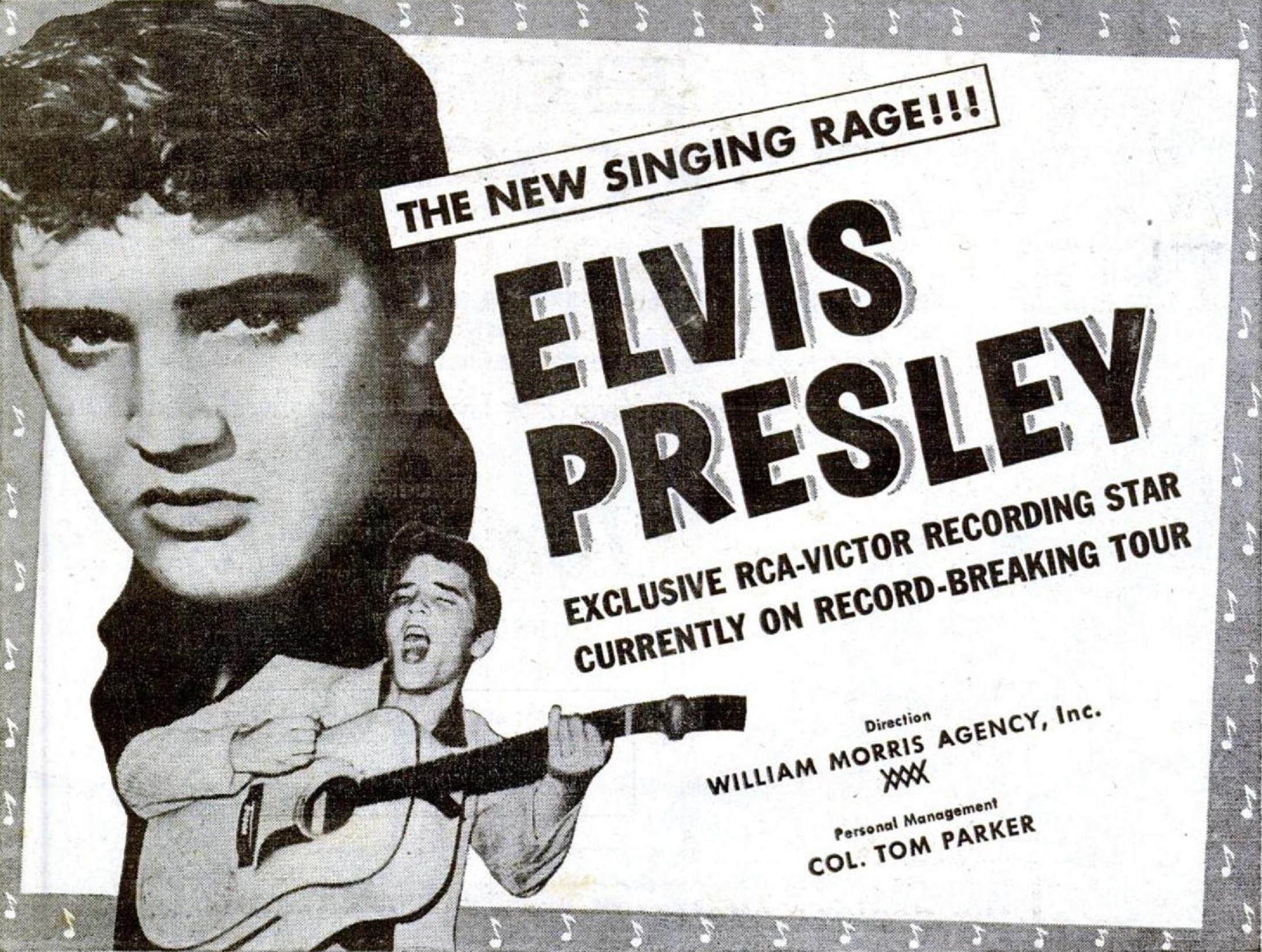
Born: January 8, 1935 in Tupelo, Mississippi
Died: August 16, 1977 in Memphis, Tennessee
Elvis was also known as: The King of Rock and Roll, The King.
The late Elvis Presley was the King of Rock and Roll in the 1950s. During the early 1960s he still managed to churn out high-charting singles such as “It’s Now or Never,” “Are You Lonesome Tonight,” and “Surrender.” When the British Invasion led by the Beatles (who idolized Presley), dominated America, Presley’s music career took a back seat.
During that time he devoted much to making Hollywood films (and their accompanying soundtracks) which were roundly derided by critics. After a seven-year break from live performances, Presley staged a successful comeback in 1968 via a televised special Elvis, which led to successful and hugely profitable tours. From the late 1960s up to his death in 1977, his later years produced one of his most widely-imitated and iconic images.
Highest-charting singles in the 1960s:
- Stuck on You
- It’s Now or Never
- Are You Lonesome Tonight
- Surrender
- I Feel So Bad
- Little Sister
- Can’t Help Falling in Love
- Good Luck Charm
- She’s Not You
- Return to Sender
- (You’re the) Devil in Disguise
- Bossa Nova
- Crying in the Chapel
- In the Ghetto
- Suspicious Minds
- Don’t Cry Daddy
- Rubberneckin
5. Bob Dylan
Born: Robert Allen Zimmerman on May 24, 1941 in Duluth, Minnesota
The legendary folk singer-songwriter and musician is regarded as one of the iconic figures in the American music history. Dylan’s most celebrated career occurred during the 1960s where he wrote songs that chronicled social issues such as war and civil rights. He was considered as the artist at the forefront of this movement that spawned folk and protest songs, although Dylan himself has repudiated that he was a spokesman for his generation.
His accomplishments as a singer and musician have been central to his career, but Dylan’s songwriting is his biggest and most defining contribution. He is also one of the best-selling artists of all time and has received numerous awards.
Highest-charting hits (US):
- Subterranean Homesick Blues
- Like a Rolling Stone
- Positively 4th Street
- Rainy Day Women
- Lay Lady Lay
Note: Dylan’s first single “The Times They Are a-Changin’,” one of his most defining songs, was never released in the US, but in the UK where it reached #9 in 1965.
6. Frank Sinatra
Born: December 12, 1915 in Hoboken, New Jersey
Died: May 14, 1998 in Los Angeles, California
Frank Sinatra may not have dominated the charts in the 1960s like he did in earlier decades, but he remained a major star. Amid the rise of rock and the British Invasion, he held his ground with timeless style. In 1966, he released Strangers in the Night, which became his most successful album of the decade.
The album hit No. 1 on the Billboard 200 and went platinum. Its title track also topped charts in the U.S. and U.K., earning Sinatra two Grammy Awards. “Strangers in the Night” remains a signature ballad that continues to define his lasting appeal.
Sinatra’s Top 40 hits in the 1960s:
- Ol’ MacDonald
- Pocketful of Miracles
- Softly, As I Leave You
- Somewhere in Your Heart
- It Was a Very Good Year
- Strangers in the Night
- Summer Wind
- That’s Life
- The World We Knew (Over and Over)
- Cycles
- My Way
7. Cliff Richard
Born: Harry Rodger Webb on October 14, 1940 in Lucknow, British India
Cliff Richard may not have found huge success in the U.S., but he became a pop icon in the U.K. and many parts of the world. With over 250 million records sold, he ranks as the third top-selling artist in U.K. history, behind only The Beatles and Elvis Presley. Backed by The Shadows, Richard first gained fame in the late 1950s as a rock and roll artist.
Between 1958 and 1964, he scored 29 Top 10 hits in the U.K., including nine chart-toppers. Over time, his music softened as he embraced his Christian faith. In the 1970s and 1980s, he found brief U.S. chart success with hits like “Devil Woman” and “We Don’t Talk Anymore.” Today, he remains a beloved figure in British pop music.
Richard’s US Top 40 hits:
- Living Doll
- It’s All in the Game
- Devil Woman
- We Don’t Talk Anymore
- Dreamin
- A Little in Love
- Daddy’s Home
8. The Supremes
Formed: 1959 in Detroit, Michigan
Disbanded: 1977
The Supremes remain the most successful American vocal group in history, with 12 No. 1 singles on the Billboard pop chart. Originally formed in 1959 as a quartet, they soon became a trio with Diana Ross, Florence Ballard, and Mary Wilson as the classic lineup. During the 1960s, they became Motown’s top act and rose to international fame.
Their biggest hits were crafted by the powerhouse songwriting team Holland-Dozier-Holland. At their peak, they even rivaled the Beatles in global popularity. The group’s success helped pave the way for future African-American artists. When Ross left in 1970, she launched a highly successful solo career.
The Supreme’s Top 10 Billboard Hot 100 hits:
- Where Did Our Love Go
- Baby Love
- Come See About Me
- Stop! In the Name of Love
- Back in My Arms Again
- I Hear a Symphony
- My World Is Empty Without You
- Love Is Like an Itching in My Heart
- You Can’t Hurry Love
- You Keep Me Hangin’ On
- Love Is Here and Now You’re Gone
- The Happening
- Reflections
- In and Out of Love
- Love Child
- I’m Livin’ in Shame
- Someday We’ll Be Together
- Stoned Love
Technological Advancements in 1960s Music
The 1960s introduced key innovations that shaped how people listened to music.
Audio Cassette:
Philips invented the compact audio cassette in 1962 and trademarked it as the “Compact Cassette.” They also released the first cassette player/recorder, the Norelco Carry-Corder 150, in 1964. Early cassette sound quality was low, but it improved steadily over time. Despite growing competition, Philips led the cassette market for years.
Compact Disc:
In 1965, American inventor James Russell developed the first version of the compact disc. He filed for a patent in 1966 and received it in 1970. While CDs didn’t hit the market until the 1980s, the foundation was already laid during the ’60s. These advances paved the way for digital audio’s future.
Summary
The 1960s was a dynamic and transformative decade shaped by major social and political change. Movements for civil rights, protests against the Vietnam War, and a growing push for equality defined the era. These changes were driven largely by a younger generation eager to challenge the norms of the past.
This cultural shift was reflected in the music, which became more expressive, personal, and socially aware. Artists used their platforms to speak out, blending sound with message. Music in the 1960s not only entertained but also became a voice for change and a symbol of a new, freer era.
Related Posts You May Enjoy:
- Music of the 1950s
- Top Selling Music Artists of All Time
- Top Artists and Bands of the 60s
- Top Artists and bands of the 80s
In the 1960s, television played a significant role in shaping popular culture. This can be seen in how TV shows and commercials influenced fashion, music, and even societal norms. Our post, Influence of Television on Pop Culture of the 60s, explores this impact in more detail.