
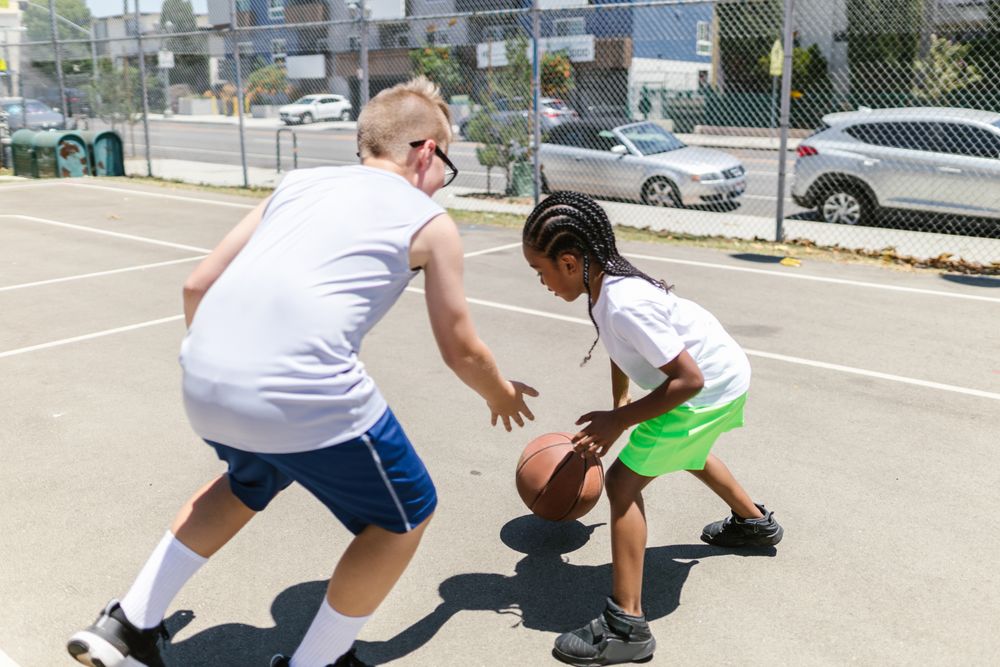
Basketball is experiencing a massive boom across Australia. According to the 2023 to 2024 AusPlay survey data, it is now the second most popular team sport in the country, with over 1.3 million participants taking to the court annually. For children aged between 5 and 14, grassroots basketball ranks in the top five most played organised sports, boasting more than 350,000 regular junior participants. Grassroots basketball has also seen a massive influx of young female players, with female youth participation surging by 25 per cent since 2022. But the appeal of the game goes far beyond shooting hoops and running drills. The true value lies in the profound physical, psychological, and social development it offers young children.
Fostering Physical Coordination and Motor Skills
When children are introduced to sports early, typically between the ages of three and five, it significantly enhances their lifelong motor skill potential. Parents looking to nurture these early abilities often enrol their children in structured programmes, such as basketball camps for youth, where foundational drills specifically target essential gross motor skills. Young players practice balancing, sliding sideways on defence, and executing diagonal sprints across the court. These repetitive, game-based learning activities drastically improve spatial awareness and hand-eye coordination in a way that feels like pure play.
To accommodate early learners, grassroots programmes often adapt the traditional rules and equipment of the game. By utilising a smaller, lighter size 5 junior basketball and lowering hoops to six feet, children can build proper shooting and dribbling mechanics. This builds immense confidence without the physical strain of using adult-sized equipment. The physical coordination gained on the court extends far beyond simple ball handling. Children organically train fundamental athletic movements, such as the vertical jump, which helps build lower-body strength, explosiveness, and agility early on. Developing these baseline physical traits makes children more robust and confident in their daily activities.
Building Character in Supportive Environments
There is a prominent shift in the early childhood sports industry toward a “play well” philosophy. This modern coaching approach prioritises movement, fun, and personal confidence over early, high-stakes competition. By removing the pressure to win at all costs, coaches improve long-term player retention and foster a genuine love for physical activity. A recent AusPlay survey highlighted that 76 per cent of Australian children participate in organised out-of-school sports. Among these participants, early-age children heavily favour team-based activities that foster both speed and social connection.
Community setups provide an inclusive environment for young athletes to socialise with peers while learning the basics of the game. State-based financial support initiatives, such as the Active Kids voucher programmes, have made these local sports setups highly accessible. These initiatives allow families from all backgrounds to easily subsidise the costs of registration and equipment, ensuring that every child has the opportunity to experience the benefits of teamwork and regular exercise.
The Psychological Benefits of Team Sports
The life lessons learned on the basketball court shape how children approach challenges in the real world. Sports academies emphasise that early youth basketball focuses on improving cognitive abilities and listening skills through instructional coaching. However, the emotional resilience developed through team play is arguably the most valuable takeaway.
Participating in grassroots basketball provides several key developmental benefits:
- Learning to handle setbacks: Children learn that missed shots and lost games are temporary obstacles rather than permanent failures.
- Working collaboratively: Passing the ball and communicating on defence teaches children how to support their peers and work toward a common goal.
- Embracing diversity: Australian youth basketball is particularly popular within culturally diverse communities, offering a highly inclusive team culture where children build broad social networks.
- Following instructions: Repetitive, drill-based coaching improves active listening and focus, which translates directly to better classroom behaviour.
These social and emotional lessons are deeply supported by paediatric experts who study child development. Dr. Scott Rosenfeld, a paediatric orthopaedic surgeon and professor at Baylor College of Medicine, notes the profound psychological benefits of youth sports. He states that children do not always win when playing sports. While losing is an incredibly hard lesson for a child to learn, it teaches them how to process loss in a positive, constructive way. Ultimately, these experiences teach children how to win with character and face real-world adversity with a level head.
A Foundation for the Future
The skills developed during early childhood basketball sessions lay a sturdy foundation for future success both on and off the court. Whether it is through government initiatives like the Ford Aussie Hoops programme or the She Hoops national initiative empowering young girls, the focus remains firmly on holistic child development.
Children are not just learning how to dribble, pass, or shoot a ball through a hoop. They are learning how to be resilient when faced with adversity, how to communicate effectively under pressure, and how to be contributing members of a larger community team. By providing a fun, highly engaging, and low-pressure environment, grassroots basketball teaches kids to embrace physical activity as an essential, lifelong habit. The life lessons learned on the hardwood court, from executing a perfect defensive stance to gracefully accepting a tough loss, will serve them exceptionally well into adulthood.