

Classic rock isn’t a specific genre. Instead, it’s a radio format and cultural category. Most people associate classic rock with music released between the late 1960s and early 1980s. However, the term doesn’t rely strictly on timeframes, sales, or style.
Classic rock evolved from the “album-oriented rock” (AOR) format used by FM radio stations. Unlike oldies—which emphasize hit singles—classic rock often features full-length albums, deeper cuts, and enduring fan favorites. The format helped preserve and promote rock music from its golden age. While definitions vary, classic rock generally includes iconic songs and artists who shaped the sound of rock for generations.
Key Classic Rock Artists
Here are ten artists who defined classic rock through their music, influence, and staying power.
1. Led Zeppelin

Led Zeppelin combined blues, hard rock, and mysticism to forge a bold new path in rock music. Formed in 1968, the band included:
-
Jimmy Page (guitar)
-
Robert Plant (vocals)
-
John Paul Jones (bass/keys)
-
John Bonham (drums)
They released a string of groundbreaking albums, including:
-
Led Zeppelin IV (1971), featuring “Stairway to Heaven”
-
Physical Graffiti (1975)
-
Houses of the Holy (1973)
Known for their musicianship and live performances, Zeppelin became one of the best-selling rock bands of all time. Their legacy endured after Bonham’s death in 1980 ended the group.
2. The Beatles

Though their early sound leaned more toward pop, The Beatles transformed rock music between 1963 and 1970. Their albums—like Rubber Soul, Revolver, Sgt. Pepper’s Lonely Hearts Club Band, and Abbey Road—redefined what rock could be.
Each member contributed:
-
John Lennon: thought-provoking lyrics
-
Paul McCartney: melodic innovation
-
George Harrison: eastern influences and lead guitar
-
Ringo Starr: solid, understated drumming
Even post-breakup, their influence continues across generations and genres.
3. Aerosmith
Dubbed “America’s Greatest Rock and Roll Band,” Aerosmith fused hard rock with glam and blues. Their rise in the 1970s included classic albums like Toys in the Attic (1975) and hits such as “Sweet Emotion” and “Walk This Way.”
After battling addiction, they made a major comeback in the 1980s and 1990s with:
-
Permanent Vacation (1987)
-
Pump (1989)
-
Get a Grip (1993)
Steven Tyler’s gritty vocals and Joe Perry’s guitar work cemented their place in classic rock history.
4. AC/DC
Australian rock band AC/DC was founded in 1973 by Malcolm and Angus Young. Their early albums included High Voltage and Let There Be Rock, but their breakthrough came with:
-
Highway to Hell (1979)
Tragedy struck when singer Bon Scott died in 1980. With new frontman Brian Johnson, they released:
-
Back in Black (1980), one of the best-selling albums of all time
AC/DC’s simple, hard-hitting formula never changed—and fans wouldn’t have it any other way.
5. Queen

Queen blended rock, opera, and theater into a powerful and unique sound. Their most iconic album:
-
A Night at the Opera (1975), featured “Bohemian Rhapsody,” a six-minute epic that defied genre labels
Fronted by the flamboyant Freddie Mercury, the band also included:
-
Brian May (guitar)
-
Roger Taylor (drums)
-
John Deacon (bass)
Queen achieved worldwide success with songs like “We Will Rock You” and “Another One Bites the Dust.” Mercury’s death in 1991 was a major loss, but the band’s legacy continues.
6. The Rolling Stones

With over 60 years in the business, the Stones are living legends. They began by covering American blues songs before finding their own voice with:
-
“Satisfaction”
-
“Paint It Black”
-
“Jumpin’ Jack Flash”
Key albums include:
-
Exile on Main St. (1972)
-
Sticky Fingers (1971)
-
Some Girls (1978)
Mick Jagger, Keith Richards, Charlie Watts, and Ronnie Wood (and former members Brian Jones and Mick Taylor) helped shape the very definition of classic rock.
7. Pink Floyd

Pink Floyd started as a psychedelic rock band led by Syd Barrett. After his departure, Roger Waters and David Gilmour steered the band toward ambitious concept albums like:
-
The Dark Side of the Moon (1973)
-
Wish You Were Here (1975)
-
The Wall (1979)
These albums mixed philosophical lyrics with cutting-edge sound design. Gilmour’s expressive guitar solos and the band’s cinematic production gave them lasting appeal.
8. Journey
Formed in 1973, Journey became arena rock icons during the Steve Perry era. Their best-known album:
-
Escape (1981), included “Don’t Stop Believin’” and “Open Arms”
The band had seven consecutive multi-platinum albums during their peak. Even after Perry’s departure, Journey continued to tour with new vocalist Arnel Pineda. Their blend of rock power and pop melody remains crowd-pleasing.
9. The Who
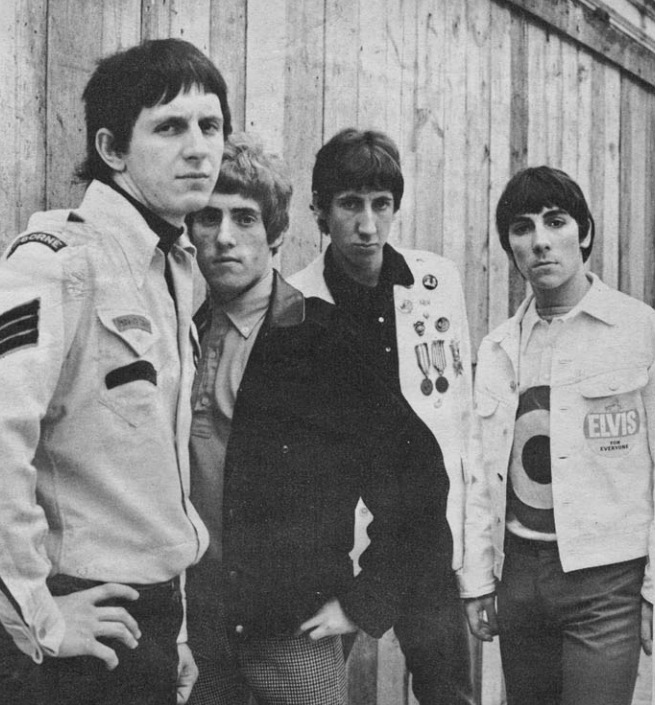
The Who were loud, bold, and innovative. Guitarist Pete Townshend smashed instruments and wrote rock operas, while Keith Moon’s drumming defied convention.
Their early hits included:
-
“My Generation”
-
“I Can See for Miles”
Later albums like Tommy (1969) and Who’s Next (1971) cemented their status. The Who captured the raw energy of rock and used it to tell deeper stories.
10. Eagles
The Eagles began in 1971 as a country-rock group. They later added harder rock elements and became one of the most successful bands of the 1970s.
Their classic album:
-
Hotel California (1976), sold over 26 million copies in the U.S.
Hits like “Take It Easy,” “Desperado,” and “Life in the Fast Lane” defined Southern California rock. Despite internal tensions and breakups, the band reunited in the 1990s and continues to perform.
Top Classic Rock Songs
Choosing the “best” songs is subjective, but these tracks are widely recognized as cornerstones of classic rock.
1. “Stairway to Heaven” – Led Zeppelin (1971)
Often cited as the greatest rock song ever, it blends folk, blues, and hard rock. Jimmy Page’s guitar solo is iconic, and Robert Plant’s lyrics added mystique. Despite never being released as a single, it became a radio staple.
2. “Bohemian Rhapsody” – Queen (1975)
This operatic rock suite broke all rules. With no chorus, shifting sections, and a groundbreaking video, it became a worldwide hit. Its success proved that complex, experimental music could still top charts.
3. “Hotel California” – The Eagles (1977)
A haunting tale of excess and illusion in the music industry. The title track became one of the band’s signature songs, thanks in part to Don Felder’s famous guitar solo and Henley’s reflective lyrics.
4. “Smoke on the Water” – Deep Purple (1972)
Based on a true story of a casino fire, this track is best known for its unforgettable riff. Every beginning guitarist tries to play it—and many classic rock fans never stop listening to it.
5. “Wish You Were Here” – Pink Floyd (1975)
Written as a tribute to former member Syd Barrett, this ballad captures themes of absence and disillusionment. It’s one of the band’s most emotional and enduring songs.
6. “Comfortably Numb” – Pink Floyd (1979)
Known for its soaring guitar solos by David Gilmour, this track from The Wall showcases the band’s fusion of storytelling and sonic atmosphere.
7. “Baba O’Riley” – The Who (1971)
Sometimes mistaken for “Teenage Wasteland,” this song mixes synthesizers and classic rock power. Its anthem-like feel and explosive finale have made it a live favorite for decades.
8. “You Shook Me All Night Long” – AC/DC (1980)
The first single featuring Brian Johnson after Bon Scott’s death. With its catchy riffs and innuendo-laden lyrics, it became a signature AC/DC song and a concert staple.
9. “Sweet Home Alabama” – Lynyrd Skynyrd (1974)
This Southern rock anthem responds to Neil Young’s critiques of the South and became Skynyrd’s biggest hit. Its catchy guitar intro is instantly recognizable.
10. “Sweet Emotion” – Aerosmith (1975)
A standout from Toys in the Attic, this track mixes groove-based rock with layered production. It marked Aerosmith’s breakthrough into mainstream success.
Final Thoughts
Classic rock isn’t confined by strict rules. It’s shaped by impact, memory, and timelessness. Whether through stadium anthems, introspective ballads, or electrifying guitar solos, these artists and songs helped define the rock genre. Their legacy continues to inspire fans, old and new, making classic rock not just a label—but a living, breathing musical tradition.