

When you think about classic rock, the album covers are often as memorable as the music itself. Consider The Beatles’ “Sgt. Pepper’s Lonely Hearts Club Band” with its vibrant collage or Pink Floyd’s “The Dark Side of the Moon” and its iconic prism. These covers don’t just represent the music; they encapsulate an era and influence generations. But what exactly makes these visual masterpieces stand the test of time? Is it the art itself, the cultural impact, or something more elusive? Let’s delve into these questions and identify which covers truly stand out.
The Beatles: Sgt. Pepper’s Lonely Hearts Club Band
The Beatles’ “Sgt. Pepper’s Lonely Hearts Club Band” is more than just an album; it’s a cultural milestone. Released on May 26, 1967, its artwork revolutionized the music industry. Designed by Peter Blake and Jann Haworth, the cover features a captivating collage that embodies the psychedelic era. The vibrant colors and surreal imagery set a new benchmark for album art.
The cover showcases an eclectic mix of famous figures—such as Bob Dylan, Marilyn Monroe, and Albert Einstein—cementing its iconic status as a cultural artifact of the 1960s. This visual masterpiece celebrates the experimental spirit that defined The Beatles during this transformative period. The groundbreaking artwork earned the album a Grammy Award for Best Album Cover, solidifying its place in rock history.
Pink Floyd: The Dark Side of the Moon

Released in 1973, Pink Floyd’s “The Dark Side of the Moon” captivates listeners not only with its groundbreaking music but also with its iconic album cover. Designed by the creative group Hipgnosis, with Storm Thorgerson as the primary designer, the cover features a simple yet powerful image: a prism dispersing a beam of light into a colorful spectrum. This design symbolizes the band’s exploration of complex themes such as mental health, existentialism, and the human condition, making it one of the most recognizable images in rock music history.
The minimalist cover contrasts sharply with the rich, intricate soundscapes found within the album. This visual metaphor for the conflict between light and dark aligns perfectly with the lyrical themes of duality and the human experience. The design’s elegance and simplicity have contributed to its enduring legacy, cementing its place in rock music culture.
“The Dark Side of the Moon” spent a record 937 weeks on the Billboard 200 chart, underscoring its immense popularity and influence. The iconic prism image continues to be celebrated, symbolizing the timeless appeal and profound impact of Pink Floyd’s masterpiece.
The Rolling Stones: Sticky Fingers

Few album covers have generated as much buzz as The Rolling Stones’ “Sticky Fingers.” Designed by Andy Warhol, the 1971 release featured a real zipper that could be unzipped to reveal a pair of men’s underwear, blending interactivity with visual appeal and transforming album cover art.
“Sticky Fingers” was the first album released on Rolling Stones Records after the band’s departure from Decca. Warhol’s provocative design, a photograph of a male model taken by his collaborator Billy Name, encapsulated the raw sexuality and rebellious spirit of rock ‘n’ roll. The zipper feature was more than a gimmick; it set a new standard for album art by engaging fans in a tactile experience.
Musically, “Sticky Fingers” is iconic, featuring classic tracks like “Brown Sugar” and “Wild Horses.” The synergy between its innovative cover design and timeless music solidified its place among rock history’s most iconic album covers. For fans of rock ‘n’ roll and groundbreaking art, “Sticky Fingers” is essential.
Led Zeppelin: IV

Led Zeppelin’s “IV” captivates with its enigmatic cover art, featuring a cryptic painting and the band’s iconic symbols. This visual presentation complements the album’s themes of mysticism and the supernatural, adding to its legendary status. “IV” has left an indelible mark on rock history, achieving over 37 million sales worldwide cementing its place as a cultural cornerstone.
Symbolic Album Art
Diving into the symbolic album art of Led Zeppelin IV reveals a profound blend of mystery and meaning. Unlike most album covers, Led Zeppelin IV omits any band names or titles, presenting a mysterious visual experience that aligns with the album’s themes of mysticism and introspection. This approach has cemented its status among the most iconic album covers in rock history.
The cover features a rustic painting by Barrington Colby, depicting a cloaked figure burdened by a bundle of sticks. This imagery symbolizes the weight of the past and the struggles of life, encouraging deeper contemplation as you listen to the music. The absence of commercial identifiers signifies the band’s intent to move away from the commercialism of their earlier albums, focusing instead on artistic expression.
Adding to the enigma, the “Zoso” symbol, created by guitarist Jimmy Page, graces the cover, reflecting his fascination with the occult and personal mystique. This symbol has become a cornerstone of Led Zeppelin IV’s identity, contributing to its lasting appeal and iconic status in rock history. The cover’s symbolic elements invite a deeper exploration of the album’s rich, multifaceted layers.
Mystical and Mythical Elements
In 1971, Led Zeppelin IV captivated fans with its music and its mystical and mythical elements. The album cover, devoid of any text, immediately draws you in with its rustic painting of a mystical figure carrying a bundle of sticks. This figure embodies themes of folklore and myth, resonating deeply with the album’s exploration of spirituality and the supernatural.
The artwork, designed by Barrington Colby, aligns perfectly with the band’s affinity for mystical elements. Each band member is represented by a unique symbol, adding layers of meaning and inviting deeper exploration into the iconography. The iconic image of the hermit, originally painted by a British artist, enhances the album’s mystical aura, making it one of the most iconic album covers in rock history.
The decision to omit the band’s name and album title was a bold move, designed to create intrigue and let the music speak for itself. This choice not only contributed to the album’s legendary status but also complemented Led Zeppelin’s groundbreaking sound. The cover’s mystique, combined with its spiritual and mythical themes, makes it a timeless piece of rock history.
Lasting Cultural Impact
Led Zeppelin’s “IV” didn’t just break musical boundaries; it reshaped the cultural landscape. The cover art—a rustic painting of a mysterious figure carrying a bundle of sticks—marked a stark departure from traditional band imagery. This bold choice contributed to the album’s mystique and iconic status. By omitting the band’s name and album title, Led Zeppelin challenged conventional album marketing, urging listeners to focus solely on the music.
Created by artist Barrington Colby, the cover art symbolizes the band’s rejection of commercialism and their embrace of personal artistic expression. Often hailed as one of the greatest albums in rock history, “IV” has had a lasting cultural impact, influencing countless artists and musicians across diverse genres.
Featuring timeless classics like “Stairway to Heaven,” “IV” has become synonymous with classic rock. Its critical acclaim and enduring popularity further solidify its iconic status. When you think of classic rock, Led Zeppelin’s “IV” is an album that inevitably comes to mind.
The Velvet Underground & Nico
During the vibrant artistic revolution of the 1960s, Andy Warhol made a significant impact on music history with his design for The Velvet Underground & Nico album cover. Warhol’s iconic banana art not only stood out visually but also encapsulated the avant-garde spirit and the Factory aesthetic he was known for. The simplicity of the banana image, juxtaposed with the complex and experimental sound of The Velvet Underground, created a fascinating contrast that made the album cover unforgettable.
Warhol’s influence on the rock genre extended beyond this single album. His minimalist yet provocative approach set a precedent for integrating art and music, paving the way for the punk visual style that would emerge later. By blending playful elements with minimalist design, Warhol captured the essence of the 1960s counterculture and avant-garde art movement. Although the album initially didn’t achieve commercial success, its cover became one of the most recognized and celebrated images in music history.
Peel-Away Banana Design
The peel-away banana design on The Velvet Underground & Nico’s 1967 album cover exemplifies Andy Warhol’s talent for creating interactive and thought-provoking art. The cover features a simple yellow banana with the instruction, “Peel slowly and see.” As you peel away the banana’s skin, a fleshy pink banana is revealed underneath. This clever design symbolizes the band’s avant-garde approach to art and music, inviting direct engagement with the album.
| Aspect | Description |
|---|---|
| Release Year | 1967 |
| Designer | Andy Warhol |
| Interactive Element | Peel-away banana |
| Symbolism | Avant-garde art and music |
| Cultural Impact | Iconic, influential in rock history |
This iconic album cover was more than a marketing gimmick; it was a declaration of the synergy between visual art and music that defined the 1960s cultural landscape. Although it initially lacked commercial success, the album and its cover have since achieved legendary status.
The Who: Who’s Next
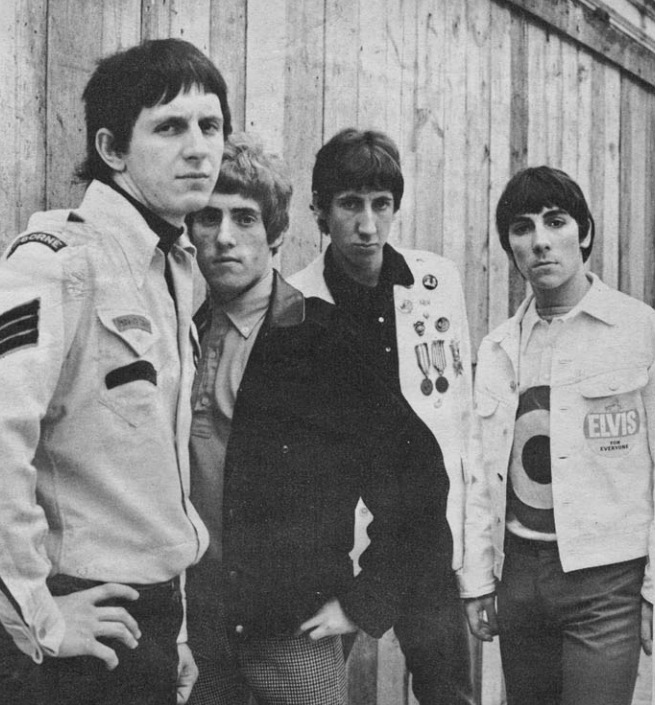
Imagine standing before a towering monolith in a desolate landscape, an image that perfectly captures the essence of The Who’s 1971 album “Who’s Next.” Shot by Ethan Russell, this album cover isn’t just visually striking; it mirrors the themes of rebellion and existentialism running through the band’s music. Featuring the band members in front of the monolith, the stark cover photo has become an iconic image in classic rock, symbolizing The Who’s influence and the period’s rock culture.
Inspired by the band’s abandoned “Lifehouse” project, which aimed to blend music and film into a multimedia experience, the cover art reflects the isolation and existential themes prevalent in their music. “Who’s Next” is celebrated not only for its unforgettable tracks like “Baba O’Riley” and “Behind Blue Eyes” but also for its iconic album cover, which has cemented itself in rock history.
David Bowie: Aladdin Sane

Released in 1973, David Bowie’s “Aladdin Sane” serves as a testament to his pioneering fusion of glam rock and theatricality. The album cover, featuring an iconic image of Bowie with a lightning bolt painted across his face, is one of rock history’s most enduring visuals. Designed by Brian Duffy, this artwork perfectly captures the essence of the glam rock movement and Bowie’s alter ego during that era.
“Aladdin Sane” isn’t just about its memorable cover art; the album itself reached the top of the UK Albums Chart, solidifying Bowie’s status as a musical innovator. Its title, a clever play on “Aladdin” and “insane,” reflects the duality of Bowie’s character and the cultural zeitgeist of the early ’70s.
Three key elements make “Aladdin Sane” a standout:
- Visual Impact: The lightning bolt face paint has become a lasting symbol of Bowie’s artistic persona.
- Musical Excellence: Featuring hits like “The Jean Genie” and “Drive-In Saturday,” the album highlights Bowie’s versatility.
- Cultural Influence: The cover art, designed by Brian Duffy, has inspired countless artists and designers, securing its place in the pantheon of iconic albums.
Fleetwood Mac: Rumours

Why does Fleetwood Mac’s “Rumours” continue to captivate listeners decades after its release? One reason is its iconic album cover. Released in 1977, “Rumours” quickly became one of the best-selling albums of all time, with over 40 million copies sold worldwide. The cover, designed by Herbert Worthington, features a striking black-and-white photograph of Mick Fleetwood and Stevie Nicks, capturing the emotional dynamics of the group.
The image is not just visually compelling but also deeply symbolic, reflecting the personal and relational turmoil the band experienced during the recording process. This turmoil helped shape the raw, authentic sound that defines 1970s rock music and resonates through every track on the album.
Furthermore, “Rumours” won the Grammy Award for Album of the Year in 1978, cementing its place in rock history. The album cover has become iconic, symbolizing the band’s unique blend of rock and pop.
Bruce Springsteen: Born to Run

Celebrated as one of the defining albums of classic rock, Bruce Springsteen’s “Born to Run,” released on August 25, 1975, captures the essence of youthful longing and desire. The iconic cover design, featuring Springsteen leaning against saxophonist Clarence Clemons, symbolizes freedom and the American dream. This photograph, taken by Eric Meola, perfectly encapsulates the album’s themes of escape and hope.
The cultural impact of “Born to Run” extends well beyond its music. The album cover has become a visual shorthand for the spirit of rock and roll in the 1970s. It’s not just an image; it’s a cultural artifact that has been celebrated and referenced countless times. Here are three reasons why this cover is so iconic:
- Symbolism: The cover’s imagery resonates profoundly with themes of freedom and aspiration.
- Critical Acclaim: The album and its cover have received numerous accolades, including a spot in the Grammy Hall of Fame.
- Lasting Influence: The design has influenced countless other album covers and remains a visual icon in music history.
The Clash: London Calling
View this post on Instagram
Standing out in the pantheon of classic rock album covers, The Clash’s “London Calling” pays a powerful tribute to Elvis Presley. Released in 1979, the album title and cover image nod to Elvis’s 1956 debut album. This homage underscores The Clash’s deep respect for rock and roll’s roots while presenting their own revolutionary spirit.
The cover, captured by Pennie Smith, features a black-and-white photograph of bassist Paul Simonon smashing his guitar. This image isn’t just striking; it’s iconic. It perfectly encapsulates the raw energy and rebellious nature of the band, making it one of the greatest album covers in music history. The bold green and pink color scheme, along with the distinctive typeface, amplifies its visual impact and solidifies its place in rock history.
“London Calling” isn’t just visually compelling; it also addresses themes of social unrest and disillusionment. The album serves as a critical commentary on the political climate of the late 1970s, making it both musically and culturally significant.
Here are three key elements that make this cover iconic:
- Album Title: A nod to Elvis Presley, blending rock and roll history with punk rebellion.
- Cover Image: Paul Simonon’s guitar-smashing moment, captured in striking black-and-white.
- Political Climate: Reflects social unrest, resonating deeply with the period’s audience.
Punk Rock Rebellion
How did The Clash’s “London Calling” become a symbol of punk rock rebellion? Released in 1979, the album cover features a striking black-and-white photograph by Pennie Smith, capturing bassist Paul Simonon smashing his guitar. This moment epitomizes the raw energy and rebellious spirit of punk rock, making it an iconic image that resonates with fans even decades later.
The Clash cleverly paid homage to Elvis Presley’s 1956 self-titled album with the design, blending their rock and roll roots with a critique of the music industry. By doing so, they not only honored a musical legend but also showcased their defiant stance against commercialism.
“London Calling” addresses the social issues plaguing Britain in the late 1970s, from economic hardships to political unrest. The title itself is a call to action, reflecting the band’s concerns and desire for change. This sense of urgency and rebellion is visually amplified by the album cover.
Conclusion
Classic rock album covers are more than just packaging—they’re visual statements that capture the essence of the music within. From The Beatles’ vibrant collage on Sgt. Pepper’s Lonely Hearts Club Band to the enigmatic simplicity of Pink Floyd’s The Dark Side of the Moon, these covers have become cultural icons in their own right. They tell stories, provoke thought, and create lasting impressions that transcend the music. Whether it’s Led Zeppelin’s mystical imagery on IV or Andy Warhol’s provocative banana for The Velvet Underground & Nico, these album covers define eras, challenge conventions, and continue to inspire.