

TV variety shows in the 1960s were significant in American culture. They featured comedy, music, and dance, entertaining families and showcasing talent. Popular shows like “The Ed Sullivan Show” and “The Carol Burnett Show” became cultural icons, reflecting and shaping the era’s social and political landscape.
Showcasing Diverse Talents
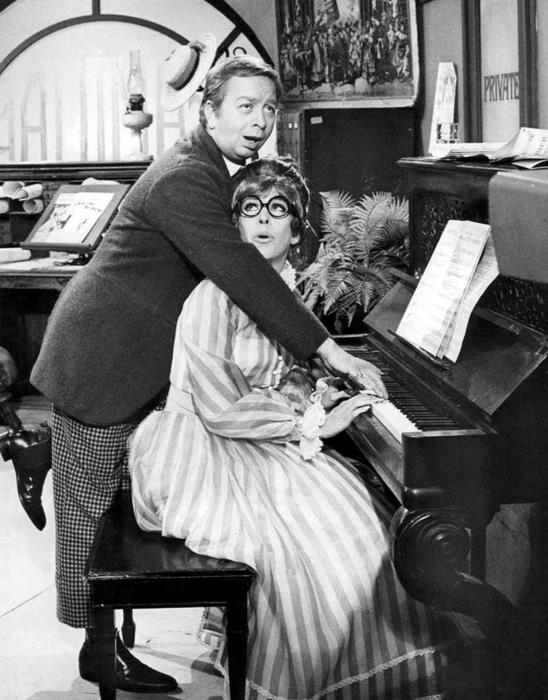
In the 1960s, TV variety shows featured singers, dancers, comedians, and actors, showcasing many talents. Shows like The Ed Sullivan Show and The Carol Burnett Show were very popular, watched by millions each week.
The Ed Sullivan Show introduced famous performers like The Beatles and Elvis Presley to many people, shaping music and entertainment. The Carol Burnett Show was known for its funny sketches and performances.
These shows entertained and celebrated artistic expression and helped launch many performers’ careers. They reflected the dynamic nature of 1960s entertainment and became important parts of TV history.
Reflecting Societal Changes
In the 1960s, TV variety shows reflected the rapid societal changes of the time. These shows were not just for entertainment but also showcased evolving cultural norms and values. They used comedy, music, and dance to appeal to a wide audience and subtly addressed societal shifts.
- Cultural Norms and Values: TV variety shows featured diverse talents and addressed taboo topics with humor and satire, often critiquing societal structures.
- Diversity and Inclusion: These shows embraced diversity, providing a platform for artists from different backgrounds and helping normalize and promote inclusion.
- Social Commentary and Satire: These shows tackled political topics, social injustices, and cultural trends through satire and humor, encouraging audiences to think while they laughed and fostering social awareness.
Influencing Popular Culture
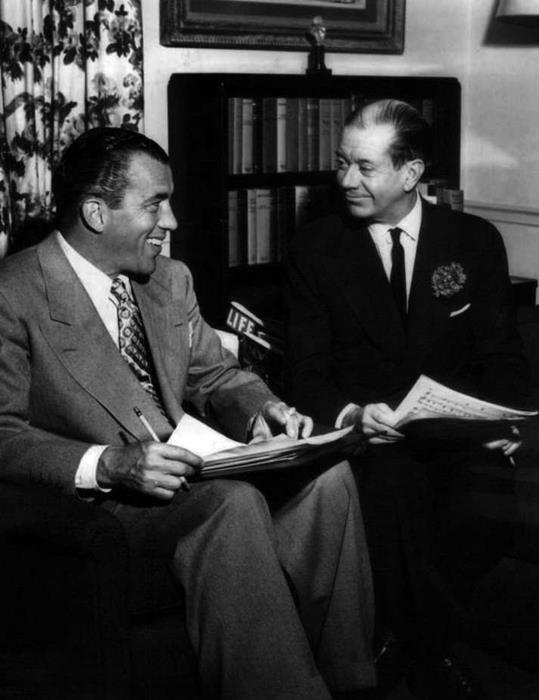
TV variety shows played a crucial role in shaping popular culture by introducing audiences to iconic personalities and groundbreaking performances. These shows mirrored societal values and norms. Comedy sketches, in particular, offered a humorous take on contemporary issues, making audiences laugh while subtly shaping their perspectives.
Shows like ‘The Ed Sullivan Show’ and ‘The Carol Burnett Show’ brought emerging artists to the forefront, significantly impacting the music and entertainment industries. These platforms launched the careers of now-legendary musicians and comedians, turning them into household names.
These shows created a shared experience, bringing families together weekly and becoming staples of American television.
Shaping Fashion Trends
During the 1960s, TV shows served as influential fashion showcases that impacted viewers’ clothing choices nationwide. The entertainers’ glamorous outfits epitomized 1960s fashion, establishing them as trendsetters.
Audiences saw the latest fashion trends on screen, featuring bold colors and extravagant designs. These style choices were often the product of collaborations between TV shows and fashion designers, allowing designers to display their latest collections and shape cultural trends.
Consider these key impacts:
- Vibrant Costumes: The performers’ bright, eye-catching outfits became staples in everyday fashion.
- Glamorous Outfits: The glamorous, often over-the-top costumes set new fashion standards.
- Designer Collaborations: Designers used variety shows as platforms to introduce new styles, directly influencing public fashion choices.
Bringing Communities Together
In addition to influencing fashion trends, TV variety shows in the 1960s united communities by providing a shared source of entertainment. These programs became communal hubs where families and friends could gather to enjoy an evening filled with music, comedy, and dance. They catered to a diverse audience, fostering a sense of unity among viewers.
The format of these shows promoted cultural diversity and inclusivity by featuring a wide range of talents and performers. Whether it was a soulful music act, a hilarious comedy skit, or an electrifying dance number, these shows celebrated the richness of different cultures and backgrounds. This inclusivity allowed viewers from various walks of life to see themselves represented on screen, enhancing the communal experience.
Moreover, the shared laughter and enjoyment from these programs created strong bonds within communities. Watching a favorite variety show became a tradition, a moment of shared joy that brought people closer together.
Conclusion
TV variety shows in the 1960s were more than just entertainment. They showcased diverse talents, reflected societal changes, influenced popular culture, shaped fashion trends, and brought communities together. These shows left a lasting impact on American culture and remain an essential part of TV history.