

When you think about the essence of psychedelic rock, certain songs likely come to mind, each a defining moment in musical history. Jimi Hendrix’s “Are You Experienced?” and The Doors’ “Light My Fire” are prime examples, but there’s much more to explore. From the surreal imagery of Jefferson Airplane’s “White Rabbit” to the groundbreaking soundscapes crafted by Pink Floyd, the genre offers a rich auditory expedition. So, what other tracks shaped this iconic movement, and how do they compare to these giants? Let’s take a closer look.
July – “The Way”
View this post on Instagram
A standout track from 1968 is July’s “The Way,” which features a distinctive sitar line that seamlessly blends rock and Eastern influences, embodying the essence of psychedelic music. This song epitomizes the innovative spirit of the genre, incorporating unique distorted sounds that captivate listeners from the first note. The tape-speed effects add an ethereal quality, immersing you in its dreamlike atmosphere.
As you listen, you can sense the era’s exploration of consciousness, pushing boundaries and inviting introspection. The A-side of July’s single, “The Way,” captures the experimental and creative essence of the late 1960s. The B-side, “Hello, Who’s There?” maintains a similarly surreal vibe, showcasing the band’s dedication to this distinctive sound.
In celebrating psychedelic rock, “The Way” stands out for its fusion of traditional rock elements with Eastern influences, highlighting its diverse musical landscape. It’s more than just a song; it’s an experience that reflects the expansive nature of the time. Dive into this track and let it transport you to another realm.
Traffic – “Paper Sun”
Often regarded as a defining track of the psychedelic rock genre, Traffic’s “Paper Sun” showcases the band’s creative blend of Indian influences and imaginative lyrics. Released in 1967, this debut single quickly climbed to No. 5 on the UK charts, marking an impressive entry into the psychedelic scene.
With its sitar-like guitar riffs and melodic structure, “Paper Sun” exemplifies the raga rock style that captivated listeners. The playful and surreal lyrics reflect the era’s themes of escapism and exploration, inviting listeners to lose themselves in a vibrant, dreamlike soundscape.
Traffic’s intricate instrumentation stands out, featuring layered harmonies and a distinct mix of rock and jazz elements, which became a crucial characteristic of their sound. The groundbreaking production techniques, including studio effects, amplify the psychedelic experience.
This track highlights Traffic’s early success and significantly contributes to the evolving psychedelic rock movement. So, if you haven’t yet explored “Paper Sun,” it’s time to experience this classic and appreciate its lasting impact on the genre.
Yardbirds – “Happenings Ten Years Time Ago”
View this post on Instagram
Listening to ‘Happenings Ten Years Time Ago,’ you can’t help but admire the guitar mastery of Jimmy Page and Jeff Beck. Their innovative techniques and the song’s significant lineup changes set the stage for future rock musicians. The infusion of raga rock elements gives the track a distinctive twist, making it a standout in the psychedelic genre.
Guitar solo mastery
The dual guitar mastery in the Yardbirds’ “Happenings Ten Years Time Ago” showcases Jeff Beck and Jimmy Page’s unique styles, creating a dynamic experience that redefined psychedelic rock. Their groundbreaking collaboration features blistering guitar solos that highlight their techniques. Beck’s fluidity contrasts sharply with Page’s aggressive attack, resulting in a mesmerizing interplay that captivates listeners.
The creative use of feedback and distortion amplifies the song’s psychedelic sound, making it more than just a showcase of technical skill. It’s a bold experiment that pushes the boundaries of mid-60s rock music. The interplay between the two guitarists creates a sonic tapestry, blending blues rock with emerging psychedelic elements.
“Happenings Ten Years Time Ago” is a precursor to the heavy psychedelic sound that would later dominate the late 1960s. Its experimental approach influenced future guitarists and solidified the Yardbirds’ role as pioneers in the evolving music landscape. This song encapsulates guitar solo mastery’s essence, marking a significant moment in the history of psychedelic rock.
Influential lineup changes
Significant lineup changes in the Yardbirds, particularly the shift from Eric Clapton to Jeff Beck and then to Jimmy Page, played a crucial role in shaping the sound of “Happenings Ten Years Time Ago.” These influential lineup changes not only transformed the band’s musical direction but also set the stage for the evolution of psychedelic rock. With Beck and Page contributing their unique styles, this track became the genre’s seminal piece.
- Clapton’s departure began a new creative phase for the band.
- Beck’s innovative playing introduced heavy guitar riffs that broke new ground.
- Page’s entry added further complexity and depth to the band’s sound.
- Collaborative guitar work showcased a blend of styles that defined the period.
- The song’s experimental techniques reflected the group’s willingness to explore new sonic landscapes.
This collaboration resulted in a blistering guitar solo that paved the way for future rock genres, solidifying “Happenings Ten Years Time Ago” as a landmark track in psychedelic music. These lineup changes were vital, influencing the Yardbirds’ trajectory and ultimately leading to the formation of Led Zeppelin.
Raga Rock elements
Blending traditional Indian music with Western rock, “Happenings Ten Years Time Ago” by the Yardbirds exemplifies the creative integration of raga rock elements. The group released this tack in 1966 and features intricate guitar interplay between Jeff Beck and Jimmy Page, highlighting modal scales characteristic of raga music. The song’s innovative feedback techniques and ambitious studio experimentation reflect the burgeoning psychedelic rock movement, marking a significant evolution in rock music.
This fusion showcases the Yardbirds’ innovative approach, contributing to the development of the psychedelic rock genre.
Dantalian’s Chariot – “Madman Running Through the Fields”
View this post on Instagram
Dantalian’s Chariot’s “Madman Running Through the Fields,” released in 1967, captivates listeners with its groundbreaking flute passages and haunting melodies, establishing it as a standout track in the psychedelic rock genre. This song is more than just a tune; it’s a voyage into the surreal, embodying the essence of the 1960s counterculture.
Key features that make it remarkable among psychedelic rock songs include:
- Innovative use of flute, adding a distinctive texture
- Proto-progressive rock elements with complex musical structures
- Surreal lyrics that evoke a vivid psychedelic experience
- A fusion of rock, folk, and classical influences
- Enduring impact on later progressive rock artists
Although Dantalian’s Chariot was short-lived, their experimentation in “Madman Running Through the Fields” left a notable mark on the genre. The song’s intricate arrangement and emotive undertones invite listeners to delve into its lyrical themes, making it essential listening for any fan of psychedelic rock. This hidden gem continues to inspire musicians today.
The Jimi Hendrix Experience – “Are You Experienced?”
The Jimi Hendrix Experience’s “Are You Experienced?” immerses listeners in a sonic landscape that redefines the boundaries of rock music. Released in 1967 as the title track of their groundbreaking debut album, it is a quintessential piece of psychedelic rock. The creative use of studio techniques, such as reversed guitar tracks and heavy distortion, showcases Hendrix’s mastery of sound manipulation.
Lyrically, “Are You Experienced?” delves into themes of altered consciousness, perfectly aligning with the 1960s counterculture movement. The iconic guitar riff and mesmerizing solos exemplify Hendrix’s unparalleled skills, cementing his status as one of the greatest guitarists. The energy and experimentation in this track encapsulate the spirit of an entire era.
This track’s lasting influence and relevance are undeniable – it has been covered by several artists. “Are You Experienced?” is more than a song; it’s an anthem that captures the essence of the psychedelic movement, with an impact that resonates across various music genres. If you haven’t already, immerse yourself in this legendary track and truly experience what rock music can be.
Tomorrow – “My White Bicycle”
View this post on Instagram
Tomorrow’s “My White Bicycle,” which the group released in 1967, captures the essence of freedom and adventure that defined the 1960s counterculture. The track was released in 1967, the track is notable for its innovative use of backward guitars, epitomizing the psychedelic sound of the era. The lyrics evoke a sense of exploration, aligning with the transformative ideals of the period.
Here are the crucial points that underscore the significance of “My White Bicycle”:
- Innovative sound: The use of backward guitars created a distinctive auditory experience.
- Counterculture themes: The lyrics express a yearning for freedom and adventure.
- Experimental rock: Combines pop sensibilities with avant-garde elements.
- Influential production: Produced by Tony Visconti, a pivotal figure in the psychedelic movement.
- Legacy: Though it didn’t achieve initial commercial success, it is now considered a classic and has influenced many artists.
“My White Bicycle” remains a testament to the creativity and spirit of its time. Its fusion of psychedelic elements and experimental rock cemented Tomorrow’s place in music history, inspiring future generations.
Paul Butterfield Blues Band – “East-West”
View this post on Instagram
The Paul Butterfield Blues Band released “East-West” in 1966. The track’s combination of blues with Indian classical music helped gain distinction as a groundbreaking track that significantly influenced the psychedelic rock genre. This seminal song features a mesmerizing 13-minute instrumental section showcasing vibrant guitar solos and harmonica, enriched with Eastern musical influences. The track’s unique modal scales set it apart from the typical rock music of the time, contributing to its distinctive psychedelic essence.
The improvisational elements within “East-West” played a crucial role in its appeal, as the band seamlessly melded different styles to create a sound that resonated deeply with listeners. Their live performance at the Fillmore Auditorium exemplified the psychedelic experience sought after in the 1960s. By incorporating diverse influences, the Paul Butterfield Blues Band paved the way for the future of psychedelic rock, inspiring numerous artists to explore new musical territories.
Listening to “East-West,” one can hear the roots of psychedelic music intertwined with blues, marking a pivotal moment in the evolution of rock and roll. This track remains a timeless classic in the psychedelic genre.
Tintern Abbey – “Vacuum Cleaner”
Let’s explore the British psychedelic scene with Tintern Abbey’s “Vacuum Cleaner,” released in 1967. This track bursts onto the stage with its thunderous drums and feedback-laden guitar, capturing the raw energy of the era. “Vacuum Cleaner” exemplifies a unique blend of psychedelic elements and innovative studio techniques typical of its time. The surreal lyrics and driving rhythm reflect the essence of the psychedelic experience, perfectly aligning with the counterculture movement of the 1960s.
Here’s what makes “Vacuum Cleaner” one of the standout psychedelic rock songs:
- Thunderous drums: The powerful percussion propels the song.
- Feedback-Laden guitar: Distortion creates a trippy, enveloping atmosphere.
- Surreal lyrics: Themes that transport listeners to another realm.
- Experimental techniques: Innovative sound manipulation characteristic of the period.
- Cult following: Despite a short-lived career, the song remains influential.
Tintern Abbey’s “Vacuum Cleaner” is a remarkable example of the genre’s hallmark blend of rock and experimentation, solidifying its place among the most seminal psychedelic tracks.
Pink Floyd – “Interstellar Overdrive”
View this post on Instagram
“Interstellar Overdrive” reveals Pink Floyd’s innovative experimental soundscapes. Their use of feedback and distortion sets the stage for live performances, where the band often ventured into thrilling improvisations. This track highlights their creative spirit and cements their influence on the psychedelic rock genre.
Experimental soundscapes
Capturing the essence of experimental soundscapes, Pink Floyd’s “Interstellar Overdrive” takes listeners on a captivating journey through its improvisational structure and groundbreaking sonic techniques. This track from their 1967 debut album The Piper at the Gates of Dawn is a hallmark of psychedelic rock. With a runtime of over nine minutes, it offers an expansive exploration of sound, drawing you into a dynamic landscape filled with diverse auditory elements.
Crucial features of “Interstellar Overdrive” include:
- Distorted guitar riffs that create a raw, edgy atmosphere.
- Layered organ melodies that weave through the sonic tapestry.
- Innovative echo effects that enhance the otherworldly experience.
- Tape manipulation techniques that push the boundaries of traditional recording.
- Spontaneous jams that showcase the band’s improvisational spirit during live performances.
As you listen, “Interstellar Overdrive”‘s influence on the development of space rock and progressive rock becomes evident, inspiring countless artists to explore their experimental soundscapes. This track is a timeless testament to the creative potential within psychedelic music.
Live performance impact
Pink Floyd’s live performances of “Interstellar Overdrive” captivated audiences with their extended jams and improvisational mastery, cementing the band’s status in the psychedelic rock scene. Each rendition offered a unique experience, often extending the song’s duration to showcase the musicians’ skills. The energy shifted palpably as David Gilmour’s spacey guitar riffs blended with psychedelic sound effects, creating an atmosphere that transported listeners to another dimension.
These performances were more than just musical; they featured elaborate light shows and visual effects that enhanced the overall experience. Attending a show with “Interstellar Overdrive” was a multi-sensory journey, not just a concert. This track in their setlist helped establish Pink Floyd as the genre’s pioneers, influencing countless subsequent bands.
Whether you were enveloped in the cosmic sounds or mesmerized by the visual spectacle, ‘Interstellar Overdrive’ left an indelible mark on live rock performances. This track set a new standard for what psychedelic rock could achieve, making every concert an unforgettable experience for those fortunate enough to witness it.
Cream – “Sunshine of Your Love”
Cream’s 1967 single “Sunshine of Your Love” epitomizes the band’s expertise in psychedelic rock, characterized by potent guitar riffs and bluesy undertones. This iconic track features Eric Clapton’s captivating guitar work alongside Jack Bruce’s distinctive bass lines, creating a sound that has become a genre staple. Themes of love and longing resonate deeply with listeners, contributing to its enduring appeal.
Key aspects of the song include:
- Commercial success: Peaked at No. 5 on the Billboard Hot 100 chart.
- Innovative sound: Notable for its use of a wah-wah pedal.
- Extended instrumentals: Highlights the experimental nature of the late 1960s.
- Blues influence: Combines blues elements with psychedelic rock, a hallmark of Cream’s style.
- Cultural impact: Cemented Cream’s status as a leading band in the genre.
“Sunshine of Your Love” remains an iconic psychedelic rock song, demonstrating how Cream expanded musical boundaries while captivating audiences worldwide. Be sure to include this classic in your psychedelic rock playlist!
The Pretty Things – “Talking About the Good Times”
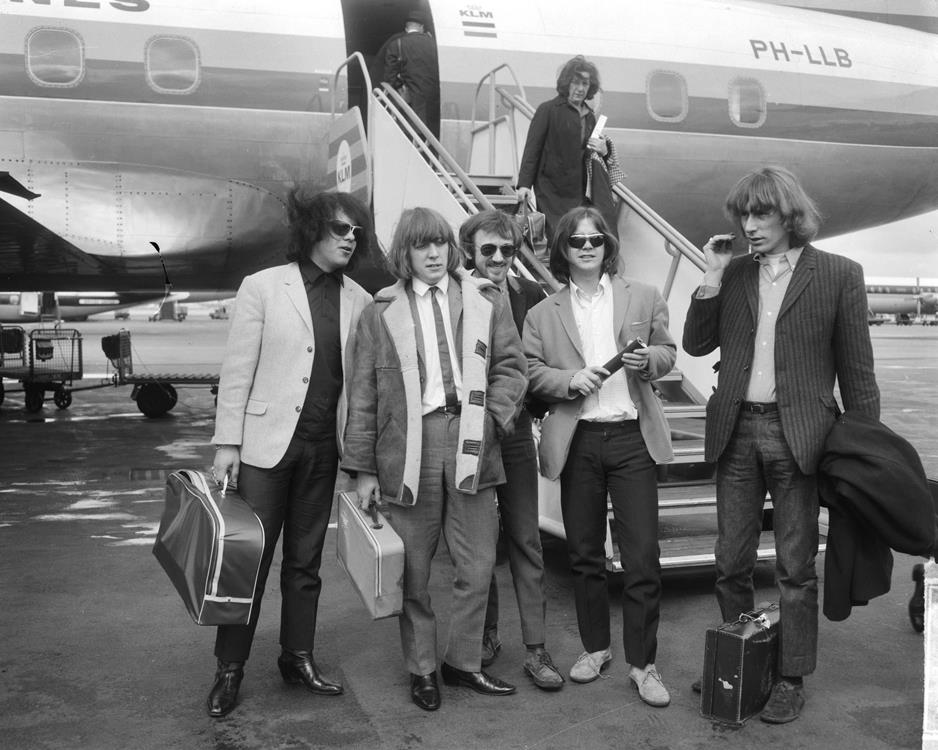
Exploring the vibrant sounds of the late 1960s, The Pretty Things’ “Talking About the Good Times” stands out with its pioneering studio techniques and catchy melody. The group released this track in 1968, which showcases their creative approach to psychedelic rock, featuring layered harmonies and vibrant instrumentation that reflect the cultural shifts of the period. The surreal lyrics add an intriguing layer, drawing listeners into the experience.
As a quintessential example of British psychedelia, “Talking About the Good Times” boasts a rhythmic structure that invites listeners to groove along. The song’s catchiness makes it memorable, while its experimental sound underscores the band’s significant influence on the psychedelic scene.
Moreover, this track is part of their landmark album, S.F. Sorrow, often hailed as one of the initial concept albums in rock music. With “Talking About the Good Times,” The Pretty Things pushed boundaries and set the stage for future artists in the genre. Listening to this song means experiencing a pivotal moment in rock history.
Kaleidoscope – “A Dream for Julie”
View this post on Instagram
“A Dream for Julie” captivates listeners with its dreamlike lyrics that transport them to another realm. The distinctive instrumentation, featuring flutes and acoustic guitars, sets it apart from other tracks during the era. Understanding its cultural context reveals how it embodies the experimental spirit of late 1960s psychedelia.
Dreamlike lyrics exploration
Kaleidoscope’s “A Dream for Julie” immerses listeners in a whimsical narrative filled with dreamlike lyrics that evoke a fairy-tale atmosphere, capturing the essence of psychedelic experiences. The song transports you into a world rich with vivid imagery and surreal themes, hallmarks of the psychedelic rock genre. These lyrics tell a playful story and explore altered states of consciousness, making the song a quintessential representation of the 1960s psychedelic movement.
Key elements that enhance the dreamlike quality of the song include:
- Playful storytelling, conjuring fantastical scenes
- Vivid imagery, sparking the imagination
- Surreal themes, challenging reality
- Layered harmonies, creating an ethereal soundscape
- Innovative songwriting, pushing lyrical boundaries
With its enchanting narrative and poetic exploration, “A Dream for Julie” exemplifies how psychedelic rock artists blend music and storytelling. This song invites listeners to lose themselves in a dream, making it a prime example of the genre’s ability to create immersive experiences.
Unique instrumentation features
In “A Dream for Julie,” unique instrumentation, including sitars and flutes, creates a mesmerizing soundscape that transports listeners into a fanciful, fairy-tale universe. These non-Western instruments set this track apart, enhancing its ethereal and playful qualities. The sitar’s delicate melodies intertwine seamlessly with the airy flute passages, crafting a rich tapestry of sound characteristic of the psychedelic rock genre.
Layered harmonies and complex arrangements make this song a standout example of the late 1960s music scene. Original studio techniques, such as reverb and echo effects, amplify the dreamlike atmosphere, creating an immersive experience. This unique instrumentation showcases Kaleidoscope’s artistic vision and highlights their ability to blend folk influences with psychedelic elements seamlessly.
Every note in “A Dream for Julie” feels intentional, contributing to a sound that is both timeless and otherworldly. The track’s unique instrumentation transports listeners to an enchanting domain, reflecting the creativity and experimentation of its era.
Cultural context significance
The unique instrumentation in “A Dream for Julie” enhances its sound, reflecting the cultural context of the late 1960s, a period marked by artistic experimentation and the quest for new expressions. This track epitomizes the British psychedelic rock movement, merging fanciful lyrics with lush melodies that transport listeners into a dreamlike narrative.
The song’s cultural significance can be understood through several key elements:
- Fusion of Eastern and Western influences: Incorporating instruments like the sitar and flute highlights the era’s fascination with diverse cultures.
- Fanciful themes: Lyrically, it captures the surreal essence of the psychedelic movement, inviting listeners to explore imaginative landscapes.
- Experimental production techniques: Intricate harmonies and layered instrumentation signify a departure from traditional pop structures.
- Legacy and influence: Its innovative sound has paved the way for future artists and genres, ensuring its lasting impact.
- Artistic inquiry: The song exemplifies the late ’60s desire to push boundaries and redefine music.
In this way, “A Dream for Julie” serves as a vibrant snapshot of its time, encapsulating the cultural significance of psychedelic rock.
Grateful Dead – “That’s It for the Other One”
View this post on Instagram
“That’s It for the Other One” epitomizes the Grateful Dead’s psychedelic rock experimentation, featuring intricate musical shifts and abstract lyrics exploring themes of consciousness and existence. This multi-part composition from their 1968 album Anthem of the Sun melds rock, blues, and avant-garde elements, showcasing the band’s unique sound.
The song’s improvisational nature highlights the Grateful Dead’s live performance prowess, often extending into mesmerizing jams. The abstract and fragmented lyrics pull listeners into a psychedelic experience, reflecting existential musings and altered states of consciousness.
“That’s It for the Other One” defines the Grateful Dead’s sound, cementing their legacy in the evolution of psychedelic rock.
Jefferson Airplane – “White Rabbit”
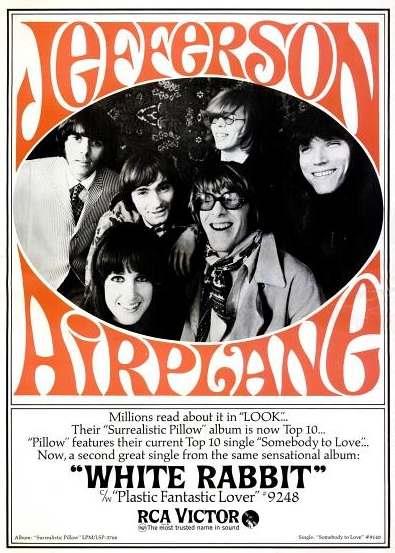
Jefferson Airplane released ‘White Rabbit’ in 1967. It still captivates listeners with its allegorical lyrics and powerful crescendo, exploring the transformative experiences of the psychedelic age. This iconic song draws parallels between drug use and Lewis Carroll’s “Alice’s Adventures in Wonderland,” creating a vivid tapestry of imagery that resonates with the counterculture movement.
The song’s instrumentation stands out, featuring a dynamic bass line and ethereal vocals by Grace Slick, who wrote the track, contributing to its enchanting atmosphere. The haunting melody builds to a powerful climax, mirroring the themes of exploration and transformation that defined the era.
Key elements that make ‘White Rabbit’ unforgettable include:
- Allegorical lyrics reflecting the drug culture
- A distinctive crescendo creating emotional intensity
- An influential orchestral arrangement
- Its iconic status in the 1960s counterculture
- Its timeless appeal, leading to numerous cover versions
With its dreamlike quality and profound impact, “White Rabbit” solidifies Jefferson Airplane’s role as a leading force in psychedelic rock, making it essential listening for anyone exploring this transformative musical landscape.
The Doors – “Light My Fire”
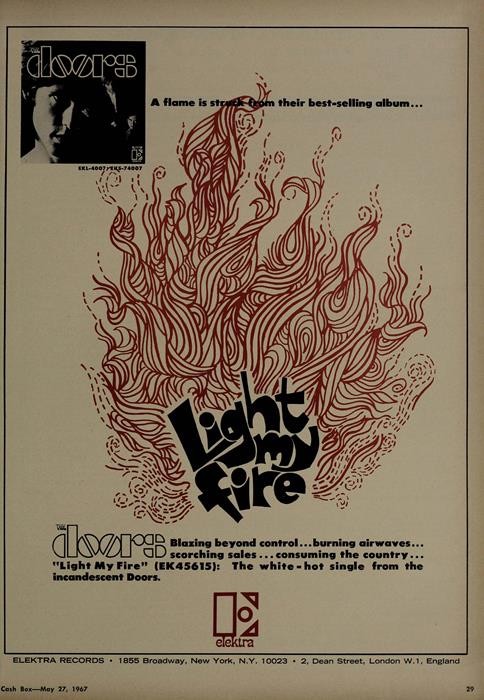
Listening to “Light My Fire,” you’re immediately captivated by Robby Krieger’s unforgettable guitar riff and Ray Manzarek’s mesmerizing organ melodies. This iconic track showcases The Doors’ unique sound and highlights the cultural impact and legacy of the 1960s counterculture. Its influence remains undeniable, resonating in rock music to this day.
Iconic instrumentation and sound
The Doors’ “Light My Fire” mesmerizes listeners with its distinctive blend of rock and jazz, largely driven by Ray Manzarek’s unforgettable organ riffs. This song stands out due to its unique instrumentation, combining various elements that create an entrancing soundscape. The extended instrumental sections, especially Robby Krieger’s guitar solo, highlight the band’s experimental nature, pushing the boundaries of rock music.
Key aspects of the song’s iconic instrumentation and sound include:
- Distinctive organ riffs that set the mood and establish a psychedelic atmosphere.
- The dynamic interplay between verses and instrumental breaks, creating an immersive experience.
- Robby Krieger’s intricate guitar work, adding depth and complexity to the arrangement.
- Jim Morrison’s haunting vocals, delivering poetic lyrics that enhance the overall ambiance.
- A fusion of rock and jazz, epitomizing the musical experimentation of the 1960s.
This unique combination defines “Light My Fire,” cementing The Doors’ place in rock history and making the song a quintessential example of psychedelic rock.
Cultural impact and legacy
Building on its iconic sound, “Light My Fire” cemented The Doors’ musical legacy, becoming a potent symbol of the 1960s counterculture. This anthem reached No. 1 on the Billboard Hot 100, highlighting its significant impact on rock music and society. The song’s innovative blend of rock and jazz, coupled with its themes of desire and existential longing, resonated deeply with the youth of the time, making it a staple at major music festivals.
The song’s legacy has continued to inspire artists across genres, demonstrating how “Light My Fire” transcended mere music to become a cultural touchstone for generations.
Conclusion
Psychedelic rock isn’t merely a genre; it’s an exploration of sound and imagination. From Jimi Hendrix’s electrifying riffs to Jefferson Airplane’s haunting melodies, these songs invite you to explore new dimensions of consciousness. Each track on this list encapsulates the essence of a transformative period, blending musical experimentation with profound themes. Whether you’re a long-time fan or new to this vibrant sound, immerse yourself in these timeless classics and expand your musical horizons.