

Abandoned places that become popular tourist attractions often captivate visitors due to their rich historical significance, unique architecture, and the mysterious stories they harbor. These sites offer a tangible connection to the past, allowing people to experience a bygone era firsthand. Additionally, the sight of nature reclaiming human-made structures creates a surreal, almost otherworldly atmosphere. The combination of historical, architectural, and natural elements makes these places intriguing and worth visiting. Let’s explore the layers that contribute to their enduring allure.
Historical Significance
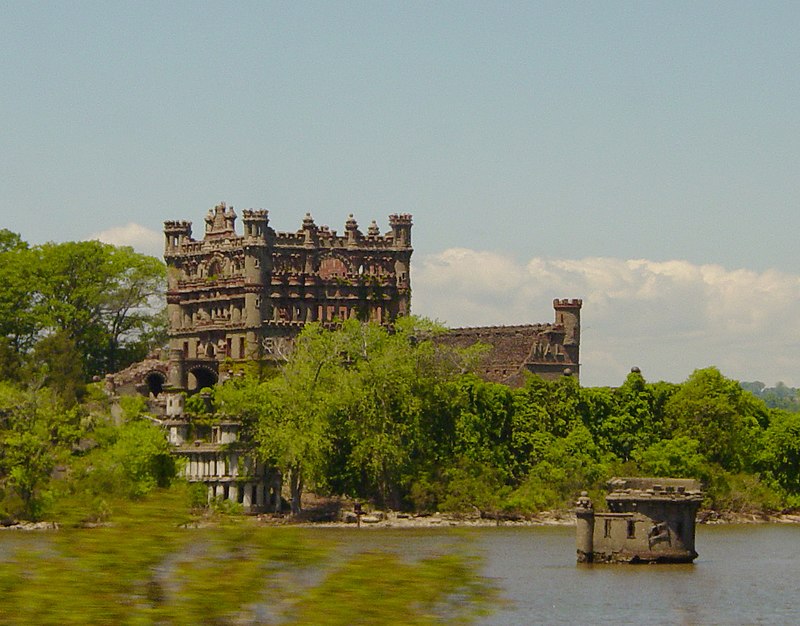
Abandoned places often hold immense historical significance. For example, Bannerman Castle, built in the early 1900s as a military surplus storage site, provides a glimpse into America’s military history and architectural aspirations of that period.
Similarly, the Glow Worm Tunnel in New South Wales is a testament to the industrial heritage of the early 1900s. Originally constructed to support the Newnes Kerosene Shale Works, it was abandoned in the 1940s but continues to captivate visitors with its historical significance and the bioluminescent larvae that now inhabit it.
Kloster Allerheiligen, founded around 1192, offers insights into medieval monastic life. Its ruins and Baroque garden provide a tangible connection to Europe’s medieval and Baroque periods, attracting history enthusiasts from around the world.
Structures like the Miami Marine Stadium and the Winchester Mystery House also reflect the cultural and architectural trends of their times, adding layers to their historical significance. Each of these sites provides a unique lens through which to explore the past.
Unique Architecture
Stepping into the world of abandoned places, you’ll quickly notice the allure of their unconventional design elements. Abandoned buildings often showcase unique architecture that once defined their original purpose and cultural significance. For example, the Michigan Theatre in Detroit, now a parking garage, still retains its stunning cathedral ceilings and frescoed walls, reflecting its grand past.
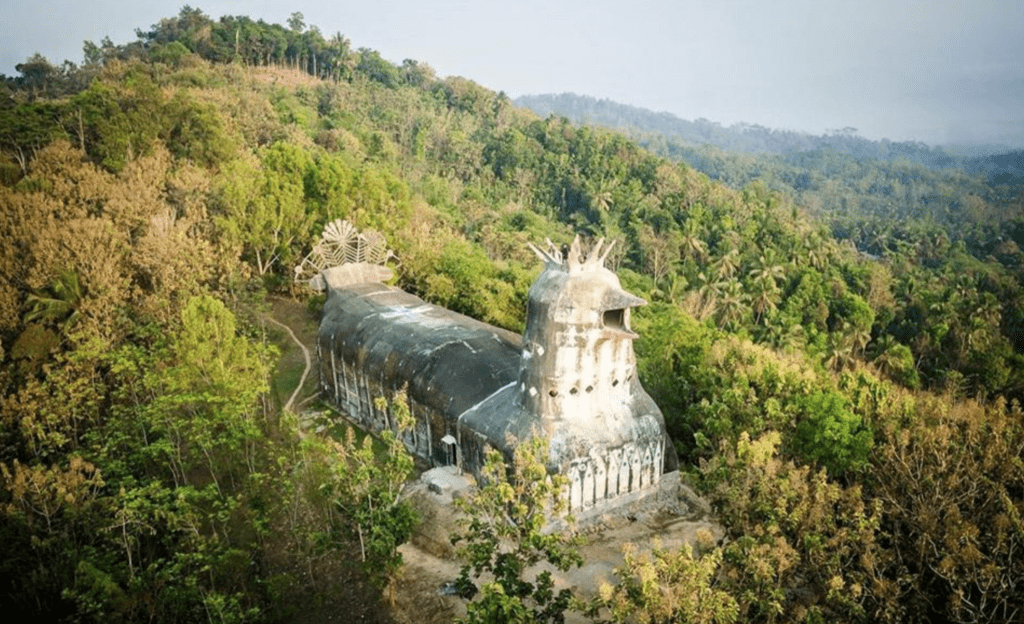
In Indonesia, the Gereja Ayam, or Chicken Church, stands out with its dove-like design. This quirky structure has captivated tourists worldwide, proving that unconventional designs can attract a crowd. Similarly, the Haludovo Palace Hotel in Croatia, with its decaying casinos and saunas, offers a glimpse into Communist-era architectural design, drawing visitors interested in both its historical and aesthetic aspects.
Kilchurn Castle in Scotland, abandoned in the 1700s, provides dramatic ruins against a scenic landscape, showcasing remnants of aristocratic life. Meanwhile, the SS Ayrfield shipwreck in Sydney, overgrown with mangrove trees, offers a fascinating blend of industrial history and nature’s reclamation. These sites exemplify how unique architectural elements can turn abandoned places into popular tourist attractions.

Historical Construction Techniques
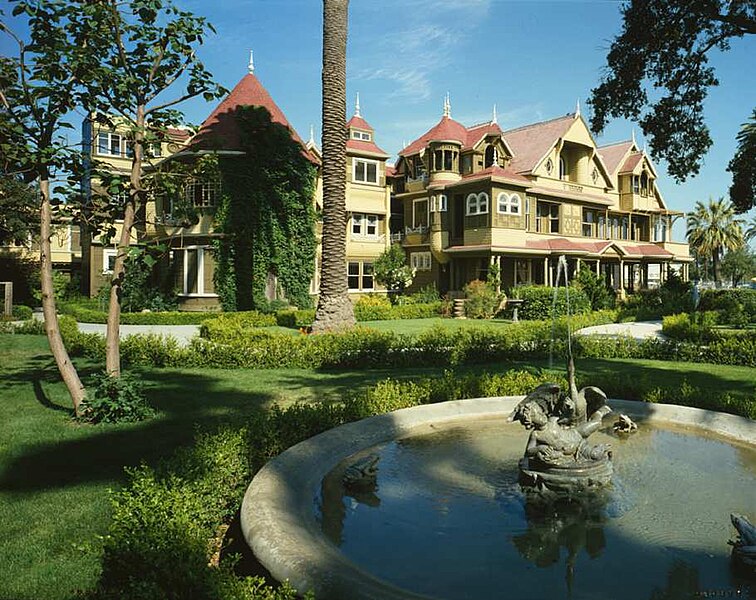
Exploring historical construction techniques in abandoned places reveals the unique architecture that makes these sites so enchanting. These structures often reflect the historical context of their creation, offering a glimpse into the artistry and innovation of their times. For instance, the Winchester Mystery House’s Victorian mansion design, with its secret passageways and unconventional layouts, showcases the eccentricity and complexity of 19th-century architecture. Over 36 years, this house evolved into a labyrinthine wonder.
Bannerman Castle on Pollepel Island in New York is another gem. Built as a replica of a Scottish castle, it adapted medieval architectural techniques for a 20th-century purpose, housing military surplus. This blend of styles adds to its mystique and allure. Likewise, Miami Marine Stadium’s long cantilevered concrete roof is a marvel of modernist architecture from 1963, combining functionality with aesthetic appeal.
In Germany, Kloster Allerheiligen’s Baroque garden design integrates natural landscapes with monastery ruins, creating a serene yet historical ambiance. Finally, the Haludovo Palace Hotel in Croatia, with its decaying Communist-period structures, offers a fascinating look into 1970s design trends. These abandoned places captivate visitors by preserving the unique architectural techniques of their periods.
Mystery and Intrigue
The allure of abandoned places lies in their capacity to reveal hidden stories and ignite the imagination. When you visit Pripyat in Ukraine, you step into a time capsule of Soviet-era architecture frozen by the Chernobyl disaster. Each eerily preserved building invites contemplation of the lives abruptly halted.
In Bodie, California, the remnants of a once-thriving gold mining town now stand as a State Historic Park. Walking through its preserved structures, you visualize the vibrant community that once filled its streets, seeking fortune and facing the challenges of the Wild West.
The Gereja Ayam (Chicken Church) in Indonesia fascinates with its unique design and enigmatic origins. Despite its abandonment, it has become a popular destination, prompting reflections on the original intentions behind such an unusual structure.
Urban exploration, or “urbex,” takes thrill-seekers to places like the Michigan Theatre in Detroit. The stark contrast between its former luxurious grandeur and current decay sparks curiosity and emotion, revealing stories of opulence and decline.
Ghost towns like Kolmanskop in Namibia offer hauntingly beautiful landscapes, attracting photographers and adventurers. Here, you’re reminded of the impermanence of human endeavors as the desert gradually reclaims what was once a vibrant diamond mining town.
Curiosity Drives Exploration
Many abandoned places captivate us because they hold remnants of past lives, sparking endless curiosity. When you step into these forsaken sites, you can’t help but wonder about the stories of those who once inhabited them. The mystery of why these locations were abandoned, such as Pripyat, Ukraine, evacuated after the Chernobyl disaster, draws in urban explorers and photographers alike.
Urban exploration, or “urbex,” thrives on the thrill of uncovering forgotten places. The allure of mystery and the potential for unexpected finds create an enthralling adventure. Imagine discovering unique features such as:
- The glow worms illuminate the Glow Worm Tunnel in New South Wales, Australia.
- Architectural oddities and hidden passages in the Winchester Mystery House in California.
- The eerie remnants of daily life in deserted towns and buildings.
Natural Reclamation
Have you ever wondered how nature reclaims abandoned places with such striking beauty? Natural reclamation often transforms old buildings into mesmerizing landscapes where vegetation overtakes man-made structures. This remarkable process can be seen in places like Houtouwan, a former fishing village in China. Here, ivy and other plants have completely enveloped homes, drawing photographers and nature enthusiasts alike.
In New South Wales, Australia, the Glow Worm Tunnel is another stunning example. Once an abandoned railway tunnel, it’s now a habitat for glow worms, casting an enchanting blue light. Such transformations highlight the impermanence of human creations and the relentless force of nature.
Example Locations:
| Location | Description |
|---|---|
| Houtouwan, China | Ivy-covered homes in a former fishing village |
| Glow Worm Tunnel, Australia | Railway tunnel transformed into a glow worm habitat |
| Pripyat, Ukraine | Trees growing through windows of abandoned buildings |
| Angkor Wat, Cambodia | Temple ruins intertwined with massive tree roots |
These examples illustrate how decay and renewal create unique visual landscapes where nature’s elements and human history intertwine. The stories of abandonment add to the allure as visitors explore the fascinating interplay between the remnants of human activity and nature’s reclaiming force.
Photographic Opportunities
Amidst the ruins and overgrown landscapes of abandoned places, you’ll find unique visual compositions that offer unparalleled photographic opportunities. These locations present a compelling interplay between man-made structures and encroaching nature, creating perfect backdrops for striking images.
Consider sites like Pripyat, Ukraine, where Soviet-era architecture stands eerily frozen in time. The stark, decaying buildings and desolate streets make for dramatic photography that captures a haunting beauty. Similarly, in Houtouwan on Shengshan Island, China, nature has reclaimed the village, with lush greenery enveloping the structures. This blend of urban exploration and natural reclamation results in enchanting and unique visual compositions.
Here are some highlights:
- Pripyat, Ukraine: Soviet-era architecture offering eerie and dramatic backdrops.
- Houtouwan, Shengshan Island, China: Nature reclaiming man-made structures, creating a lush, urban exploration paradise.
- Kolmanskop, Namibia: Sand-filled ghost town buildings providing surreal, time-worn landscapes.
The Michigan Theatre in Detroit is another gem, with its opulent frescoed walls juxtaposed against urban decay, inviting photographers to capture the contrast between past grandeur and present neglect. These sites not only offer unique visual compositions but also a profound sense of history and transformation.
Nostalgic Aesthetics
The unique visual compositions of abandoned places naturally lead to their nostalgic aesthetics. These sites, characterized by decaying structures and overgrowth, create compelling backdrops for photography. You can’t help but feel a sense of nostalgia as you capture the dramatic ruins of locations like the Detroit Michigan Theatre or Kilchurn Castle in Scotland. These sites are particularly popular among photographers seeking to articulate the beauty of decay.
Media and Pop Culture
Cultural fascination with abandoned places often stems from their portrayal in media and pop culture, which romanticizes these sites as mysterious and nostalgic. Media representations frequently depict abandoned locations as eerie and fascinating, sparking curiosity and a sense of adventure. Documentaries and films investigate urban decay and the stories behind these forsaken sites, enchanting audiences and encouraging them to explore these locations themselves.
Social media platforms amplify this interest. Influencers and photographers share evocative images that capture the haunting beauty of decay, drawing larger crowds. The rise of urban exploration (urbex) as a subculture owes much to these online communities. They share experiences, tips, and stories, fostering an adventurous spirit among their members.
Popular television shows and movies also play a significant role. They often feature abandoned places, embedding them deeper into popular culture. Fans of these shows and movies are inspired to visit and experience these locations directly, driven by the allure created on screen. All these factors combined make abandoned places a compelling draw, transforming them into popular tourist attractions.
Accessibility and Tours
From boat cruises to guided tours, many abandoned places have become surprisingly accessible, offering unique and engaging experiences for curious visitors. Imagine exploring Bannerman Castle in New York by hopping on a boat cruise or even a kayak tour. It’s an adventure that lets you delve into hidden historical gems with ease. If you’re drawn to natural beauty, the Glow Worm Tunnel in New South Wales awaits. Scenic approaches and guided tours allow you to marvel at the glow worms illuminating the dark tunnels.
For those who enjoy a blend of history and community events, Miami Marine Stadium has transformed into a lively gathering spot. You can attend open-air movies and live performances, making it more accessible than ever.
- Bannerman Castle: Accessible via boat cruises and kayak tours.
- Glow Worm Tunnel: Scenic approaches and guided tours showcasing glow worms.
- Miami Marine Stadium: Open for events like movies and live performances.
In California, the Winchester Mystery House offers guided tours that highlight its unusual architectural features, making it a fascinating stop for fans of the supernatural. In Germany, Kloster Allerheiligen invites you to explore abbey ruins and a Baroque garden, offering a rich educational experience. These efforts in accessibility and tours make abandoned places both captivating and reachable for all.
Conclusion
Abandoned places captivate people for a variety of reasons, from their rich historical significance to their mysterious and eerie atmospheres. These sites offer a unique blend of nostalgia, curiosity, and adventure, drawing in tourists who seek to experience something different.