

The 1970s marked a golden era for rock music, with numerous iconic bands and artists reaching their creative peaks. This decade saw the emergence of new sounds, styles, and legendary performers who left an indelible mark on music history.
1. Led Zeppelin
Known for pioneering hard rock and heavy metal, Led Zeppelin combined blues and rock into a powerful sound. With Robert Plant’s soaring vocals and Jimmy Page’s iconic guitar riffs, they became synonymous with the 1970s rock era.
Led Zeppelin dominated the rock scene with their powerful blend of blues and hard rock. The band’s untitled fourth album, released in 1971, featured the epic “Stairway to Heaven,” which became one of the most famous rock songs ever written. Their innovative guitar riffs and Robert Plant’s distinctive vocals set them apart from their peers.
2. Pink Floyd

Pink Floyd pushed the boundaries of psychedelic and progressive rock. Their 1973 album “The Dark Side of the Moon” is considered a masterpiece, with tracks like “Money” and “Time” showcasing the band’s musical prowess and thought-provoking lyrics. The 1975 follow-up, “Wish You Were Here,” further cemented their status as rock innovators.
The band’s experimental approach, using synthesizers, sound effects, and extended instrumental sections, pushed the boundaries of what rock music could be. Roger Waters’ introspective lyrics, paired with David Gilmour’s ethereal guitar work, created a distinctive sound that was both profound and accessible. Albums like Wish You Were Here and Animals continued this trend, combining social commentary with musical innovation.
3. The Rolling Stones

By the 1970s, The Rolling Stones were already rock royalty, but this decade cemented their status as one of the greatest rock bands in history. Known for their raw, rebellious energy and blues-inspired rock, they dominated the charts with albums like Sticky Fingers and Exile on Main St.. Mick Jagger’s swaggering presence and gritty vocals combined with Keith Richards’ signature guitar work to create some of the most iconic rock songs of the era, including “Brown Sugar” and “Tumbling Dice.” The Stones’ ability to evolve with the times while maintaining their rebellious spirit kept them relevant through the changing tides of rock.
4. The Doors

Led by the charismatic and enigmatic Jim Morrison, The Doors became one of the most controversial and influential bands of the 1970s, known for their dark, psychedelic sound and Morrison’s poetic lyrics. The band’s music was a unique fusion of rock, blues, and jazz, characterized by Ray Manzarek’s haunting keyboard melodies and Robby Krieger’s guitar work.
Songs like “Light My Fire,” “Riders on the Storm,” and “Break on Through (To the Other Side)” remain iconic for their moody atmospheres and philosophical depth. Morrison’s unpredictable on-stage persona and his obsession with themes of existentialism, freedom, and rebellion made The Doors a defining band of the countercultural movement.
5. ABBA

ABBA brought a different flavor to the ’70s music scene with their catchy pop tunes. The Swedish quartet’s 1974 breakthrough “Waterloo” paved the way for a string of hits, including the disco-influenced “Dancing Queen” in 1976.
Hard rock and heavy metal gained prominence during this era. Black Sabbath’s “Paranoid” became a defining album of the genre, while Deep Purple’s “Smoke on the Water” featured one of the most recognizable guitar riffs in rock history.
The Eagles crafted a laid-back California rock sound that resonated with millions. Their 1976 album “Hotel California” produced the titular track, an enduring rock classic with its haunting lyrics and guitar solos.
Elton John emerged as one of the decade’s biggest stars. His piano-driven rock style and flamboyant performances made him a household name. Hits like “Your Song,” “Rocket Man,” and “Tiny Dancer” showcased his songwriting prowess and vocal range.
6. Queen

Queen pushed the boundaries of rock with their theatrical style and diverse musical influences. “Bohemian Rhapsody,” released in 1975, broke conventions with its operatic sections and became one of the most beloved rock songs of all time.
Brian May’s virtuosic guitar work and Mercury’s dynamic vocal range helped produce hits like “Bohemian Rhapsody,” “Somebody to Love,” and “We Will Rock You.” Their live performances were legendary, with Mercury’s commanding stage presence captivating audiences across the globe. Queen’s ability to blend bombastic anthems with more introspective songs allowed them to reach a broad audience, and they became one of the best-selling bands of the decade.
7. The Who
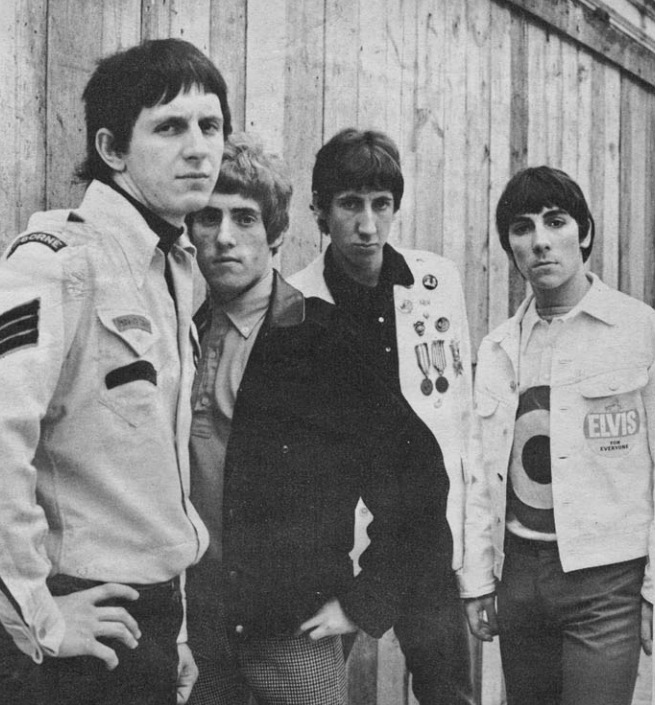
One of the most influential bands to emerge from the British Invasion, The Who carved out a space for themselves in the 1970s with their explosive stage presence and pioneering rock operas. Known for their high-energy performances, Pete Townshend’s windmill guitar playing, and Roger Daltrey’s powerful vocals, The Who became synonymous with a rebellious, youthful spirit.
Their 1969 rock opera Tommy gained massive acclaim, and they followed it up with Who’s Next in 1971, which featured hits like “Baba O’Riley” and “Won’t Get Fooled Again.” The band’s blend of rock, storytelling, and introspective lyrics set them apart, and their sound was marked by Keith Moon’s frenetic drumming and John Entwistle’s intricate bass lines.
8. The Eagles

The Eagles were the kings of the ’70s California country-rock scene, blending rock and country influences into a smooth, polished sound that resonated with audiences worldwide. With hits like “Hotel California,” “Take It Easy,” and “Lyin’ Eyes,” they defined a laid-back yet reflective sound that came to be synonymous with West Coast rock. Their harmonies, intricate guitar work, and storytelling lyrics set them apart from many of their contemporaries.
The Eagles achieved massive commercial success throughout the decade, becoming one of the best-selling bands of all time. Their albums Hotel California and One of These Nights became staples of the era, reflecting both the highs and lows of the ’70s counterculture.
9. David Bowie

David Bowie was one of the most influential artists of the ’70s, continually reinventing himself both musically and visually. Known for his bold experimentation, Bowie became a pioneer of glam rock with his Ziggy Stardust persona, a spacey and androgynous rock star. His album The Rise and Fall of Ziggy Stardust and the Spiders from Mars (1972) showcased his ability to blend rock with theatrical elements and explore themes of fame, alienation, and identity.
But Bowie didn’t stop there—he continued to evolve, transitioning into the soul-infused Young Americans and later the Berlin Trilogy, which experimented with electronic music. Bowie’s chameleon-like ability to change his style and sound while remaining commercially successful made him one of the most innovative and enduring figures in rock history. His influence on fashion, culture, and music continues to be felt today.
10. The Clash
View this post on Instagram
As one of the most important punk bands of the 1970s, The Clash brought a political edge and musical sophistication to the genre. Emerging from London’s punk scene, their music went beyond the raw aggression of punk, incorporating reggae, ska, and rockabilly into their sound. Their 1979 album London Calling is widely regarded as one of the greatest albums of all time, with its eclectic mix of styles and socially conscious lyrics addressing issues like racial tension, class struggle, and unemployment.
Songs like “Should I Stay or Should I Go” and “Rock the Casbah” brought them international fame, but The Clash’s true legacy lies in their ability to fuse punk’s rebellious spirit with a broader musical and political consciousness, making them one of the most important bands of the era.
11. Fleetwood Mac

Fleetwood Mac’s journey to superstardom was a complex one, evolving from a British blues band in the late ’60s to one of the biggest pop-rock bands of the ’70s. Their 1977 album Rumours became a defining album of the decade, not only because of its impeccable production and memorable songs but also due to the interpersonal drama within the band that informed its lyrics. With hits like “Go Your Own Way,” “Dreams,” and “The Chain,” the album’s mix of personal heartbreak and musical brilliance resonated with millions.
The band’s sound, combining the soulful vocals of Stevie Nicks, the songwriting talents of Christine McVie and Lindsey Buckingham, and the steady rhythm section of Mick Fleetwood and John McVie, made them a force in rock music. Fleetwood Mac’s ability to turn personal strife into timeless music helped them maintain their status as one of the most beloved bands of the ’70s and beyond.
12. Black Sabbath
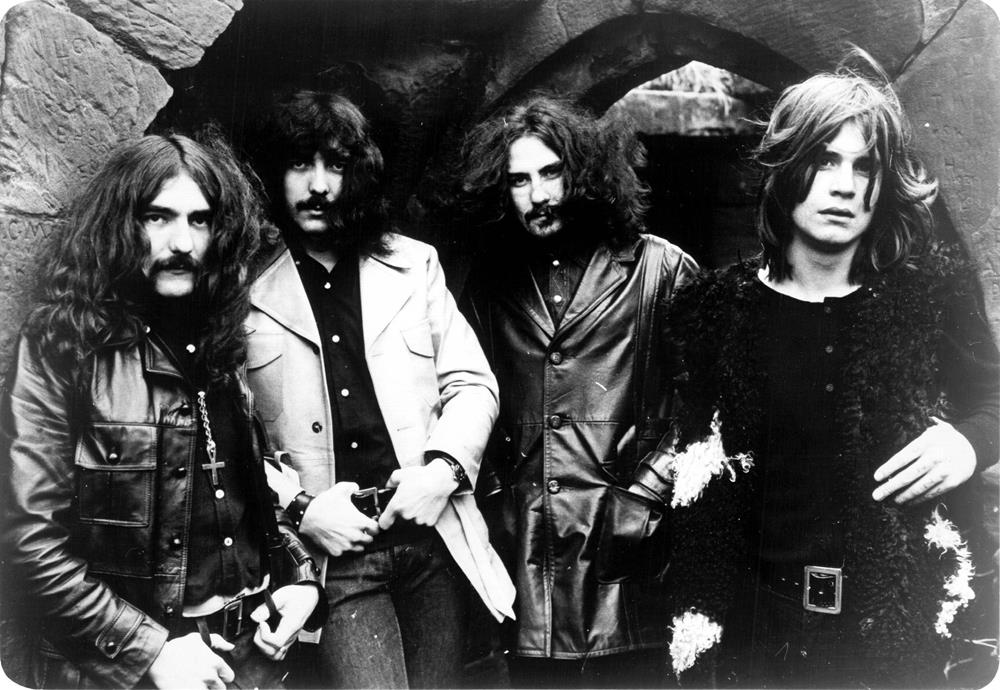
Black Sabbath is often credited with creating heavy metal, and their influence on the genre is immense. With Tony Iommi’s heavy, down-tuned guitar riffs, Geezer Butler’s dark lyrics, and Ozzy Osbourne’s haunting vocals, Sabbath carved out a niche for themselves that was darker and more menacing than anything else in the rock world at the time.
Their early albums, including Paranoid (1970) and Master of Reality (1971), laid the foundation for what would become heavy metal, with songs like “Iron Man” and “War Pigs” becoming anthems for disillusioned youth. Their music tackled themes of war, addiction, and societal decay, setting them apart from the more peace-and-love-oriented music of the ’60s. Black Sabbath’s influence can be heard in countless metal bands that followed, but their unique sound and approach to rock remain timeless.
13. Bruce Springsteen
View this post on Instagram
Bruce Springsteen, known as “The Boss,” became one of the most prominent voices in rock music during the 1970s. He captured the spirit of working-class America in his albums Born to Run (1975) and Darkness on the Edge of Town (1978), which combined vivid storytelling with rousing rock anthems.
With a sound that blends heartland rock, folk, and soul, Springsteen’s music resonates with themes of struggle, hope, and redemption. His live performances are legendary, often stretching into marathon concerts filled with his undeniable energy.
Springsteen’s poetic lyricism and larger-than-life persona made him a figurehead for a generation of fans seeking meaning and catharsis in his music. His impact on American rock is profound, with songs like “Born to Run,” “Thunder Road,” and “Badlands” becoming timeless classics.
14. Aerosmith
View this post on Instagram
Aerosmith emerged as one of the biggest hard rock bands of the 1970s, combining blues-influenced rock with an arena-filling sound. Fronted by the dynamic Steven Tyler, with Joe Perry delivering scorching guitar riffs, Aerosmith delivered hits like “Dream On,” “Sweet Emotion,” and “Walk This Way.” Their music was raw, energetic, and packed with swagger, while their gritty, rebellious image made them rock icons.
The band’s live performances were legendary for their intensity, with Tyler’s flamboyant stage presence and Perry’s blistering solos keeping crowds enthralled. Though the band struggled with internal tensions and substance abuse during the decade, they managed to release some of the most influential rock albums of the era, including Toys in the Attic (1975) and Rocks (1976). Aerosmith’s ability to mix soulful ballads with hard-hitting rockers solidified their place in rock history, and their music remains a staple of classic rock radio.
15. The Ramones
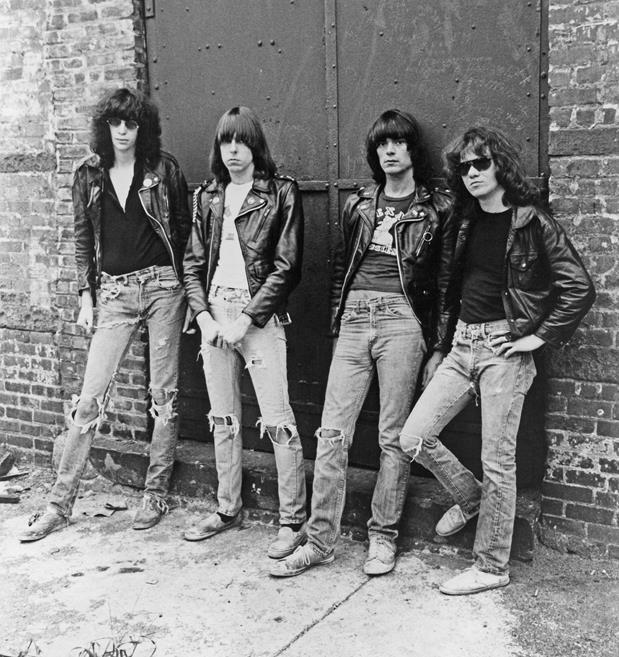
The Ramones were a pioneering force in punk rock, stripping rock and roll down to its bare essentials and delivering fast, aggressive, and infectious songs that resonated with the disillusioned youth of the 1970s. With their leather jackets, ripped jeans, and simple yet powerful chord progressions, The Ramones created a blueprint for punk music with hits like “Blitzkrieg Bop,” “I Wanna Be Sedated,” and “Sheena Is a Punk Rocker.”
Their music directly rejected the complexity of progressive rock and the excesses of mainstream rock, embracing a raw, DIY ethos that became the foundation of the punk movement. The band’s high-energy live performances and relentless touring made them a cult favorite, even though mainstream success eluded them during their early years.
16. Elton John
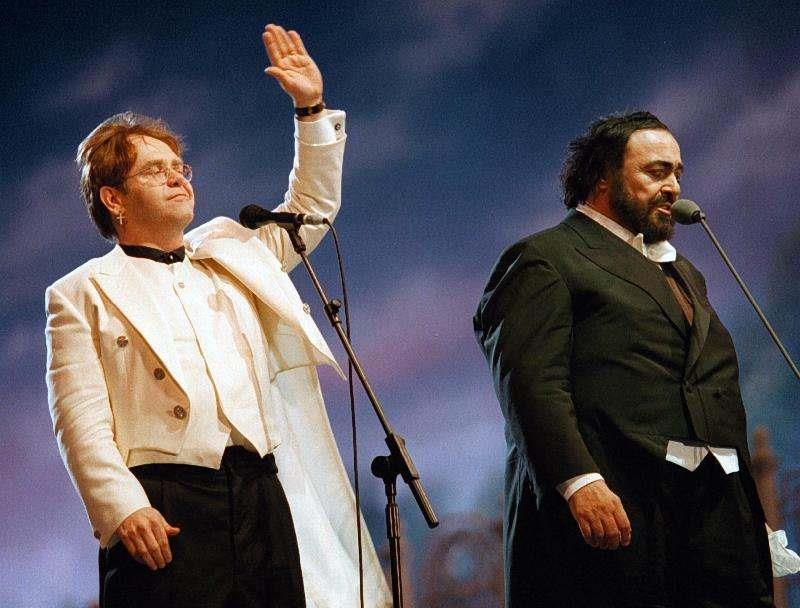
Elton John’s rise to superstardom in the 1970s was meteoric, thanks to his flamboyant stage presence, distinctive voice, and uncanny ability to craft hit after hit. Combining rock, pop, and glam elements, Elton delivered anthems like “Rocket Man,” “Goodbye Yellow Brick Road,” and “Your Song,” which showcased his talent for balancing poignant ballads with raucous rockers. His partnership with lyricist Bernie Taupin resulted in some of the most memorable songs of the decade, blending introspective lyrics with soaring melodies.
Elton’s live performances were legendary for his outrageous costumes and his larger-than-life persona, but beneath the spectacle was an artist of remarkable musicality and skill. Albums like Goodbye Yellow Brick Road (1973) and Honky Château (1972) became defining records of the era. Elton John’s ability to evolve musically while maintaining his commercial appeal has made him one of the most enduring and beloved figures in rock history.
17. Jimi Hendrix

Though his career was tragically short, Jimi Hendrix left an indelible mark on rock music in the 1970s and beyond. Hendrix revolutionized the electric guitar with his innovative use of feedback, distortion, and wah-wah pedals, creating sounds that had never been heard before. His virtuosic playing and improvisational skills made him a legend, and songs like “Purple Haze,” “Voodoo Child (Slight Return),” and his iconic rendition of “The Star-Spangled Banner” at Woodstock showcased his genius.
Hendrix’s music was a fusion of rock, blues, and psychedelia. He was as much a master of delicate, soulful ballads as he was of heavy, hard-hitting rock anthems. Albums like Are You Experienced (1967) and Electric Ladyland (1968) remain touchstones of rock music, and his influence on guitarists and musicians is incalculable. Hendrix’s legacy is one of boundless creativity and fearless experimentation, solidifying him as one of the greatest musicians of all time.
18. The Allman Brothers Band
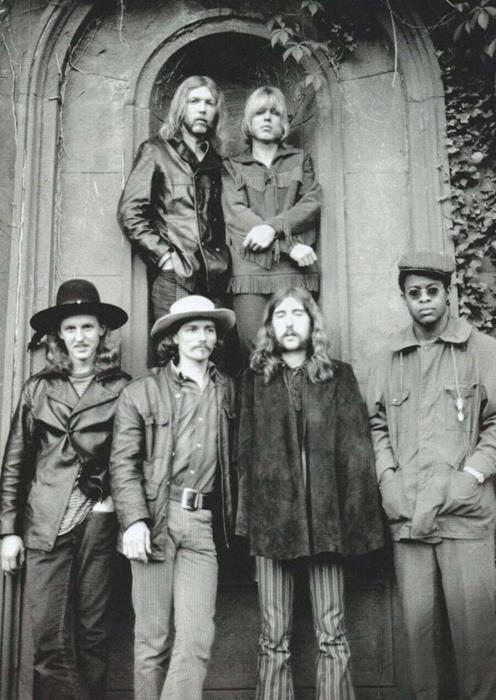
Pioneers of Southern rock, The Allman Brothers Band fused rock, blues, jazz, and country to create a sound that was distinctly their own. Known for their extended instrumental jams and impeccable musicianship, the band became famous for their live performances, particularly their legendary album At Fillmore East (1971). Led by brothers Gregg and Duane Allman, the band’s twin-guitar harmonies and improvisational style set them apart from other rock bands of the era. Songs like “Whipping Post” and “Jessica” became staples of classic rock radio, showcasing their blend of soulful vocals, intricate guitar work, and rhythmic complexity.
Duane Allman’s tragic death in 1971 marked a significant loss for the band, but they continued to tour and release albums throughout the decade, solidifying their reputation as one of the greatest live bands of all time. Their influence on Southern rock and jam bands is undeniable, and they remain a beloved institution in American rock music.
19. Bob Marley

Bob Marley is the undisputed king of reggae, and his music became a global phenomenon in the 1970s, transcending genre and cultural boundaries. With his band The Wailers, Marley introduced the world to reggae’s infectious rhythms and socially conscious lyrics, promoting messages of peace, love, and unity. Albums like Catch a Fire (1973), Rastaman Vibration (1976), and Exodus (1977) brought Marley international acclaim, and songs like “No Woman, No Cry,” “One Love,” and “Redemption Song” became anthems for change and resistance.
Marley’s deep commitment to his Rastafarian faith and his advocacy for social justice made him not just a musician but a cultural icon and spiritual leader for many. His music addressed issues like poverty, oppression, and political corruption, resonating with listeners across the world. Marley’s influence on reggae and popular music cannot be overstated, and his legacy as a voice for the oppressed continues to inspire generations.
20. Stevie Wonder
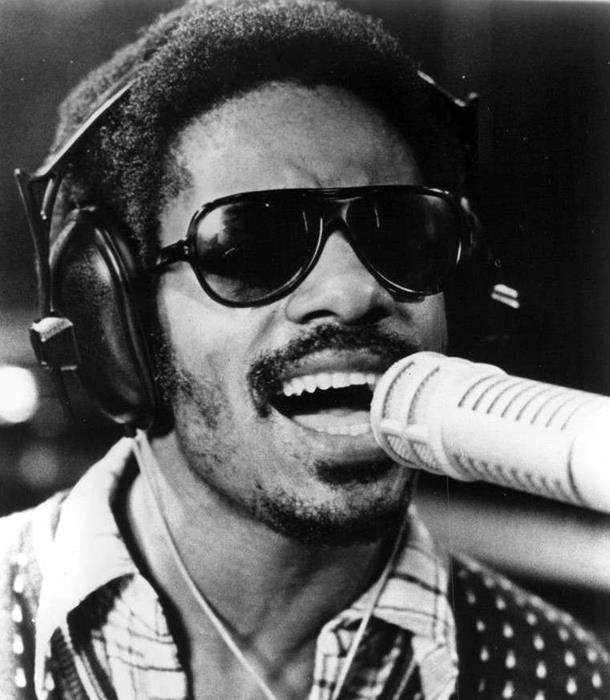
Stevie Wonder was a musical prodigy who became one of the most influential artists of the 1970s with his groundbreaking work in soul, funk, and pop music. Blind from birth, Wonder’s extraordinary talent for playing multiple instruments, combined with his emotive voice and innovative production techniques, made him a true trailblazer in the music industry.
His albums from this period, including Talking Book (1972), Innervisions (1973), and Songs in the Key of Life (1976), are considered masterpieces. The albums blended socially conscious lyrics with rich musical textures. Wonder’s songs tackled issues of race, politics, and love, and his use of synthesizers and other electronic instruments helped shape the sound of modern R&B. Hits like “Superstition,” “Sir Duke,” and “Isn’t She Lovely” showcased his versatility and creative genius.
21. The Bee Gees

The Bee Gees were at the forefront of the disco movement in the late 1970s, but their success began much earlier, with their unique blend of pop, rock, and soul. Brothers Barry, Robin, and Maurice Gibb created timeless harmonies and catchy melodies that resonated with audiences across the globe.
Their ability to write and produce hit songs made them a powerhouse in the music industry, and the 1977 release of the Saturday Night Fever soundtrack, featuring hits like “Stayin’ Alive” and “Night Fever,” solidified their place as disco royalty. The Bee Gees’ falsetto-driven sound became the signature of the era, and they dominated the charts throughout the late 1970s21.
22. Paul McCartney & Wings
After the breakup of The Beatles, Paul McCartney embarked on a successful solo career, forming Wings with his wife, Linda McCartney, and guitarist Denny Laine. Wings became one of the most popular bands of the 1970s, with McCartney delivering hit albums like Band on the Run (1973) and Venus and Mars (1975). McCartney’s ability to write accessible, melodic rock songs, coupled with his legendary status from The Beatles, ensured Wings’ commercial success.
The band’s mix of rock, pop, and ballads produced chart-topping hits like “Jet” and “Live and Let Die,” while McCartney’s unparalleled talent as a songwriter continued to shine. Despite constant lineup changes, Wings maintained a distinctive sound that appealed to both fans of The Beatles and a new generation of listeners. McCartney’s work with Wings further cemented his status as one of the most influential figures in the history of popular music.
23. James Brown

James Brown, known as the “Godfather of Soul,” was a towering figure in music during the 1970s, his influence extending well beyond his genre. Brown revolutionized funk music, creating a rhythmic, danceable sound that had a massive impact on popular music. His energetic performances, complete with high-octane dance moves, and his iconic shout-style vocals made him a force to be reckoned with.
Tracks like “Get Up (I Feel Like Being a) Sex Machine” and “Papa’s Got a Brand New Bag” became anthems, driven by his focus on rhythm, groove, and repetition. Brown’s music emphasized the power of the downbeat, influencing generations of funk, soul, and even hip-hop artists. Throughout the 1970s, Brown continued to push musical boundaries, and his political activism also grew, with songs like “Say It Loud – I’m Black and I’m Proud” becoming rallying cries for the Civil Rights Movement.
24. The Grateful Dead
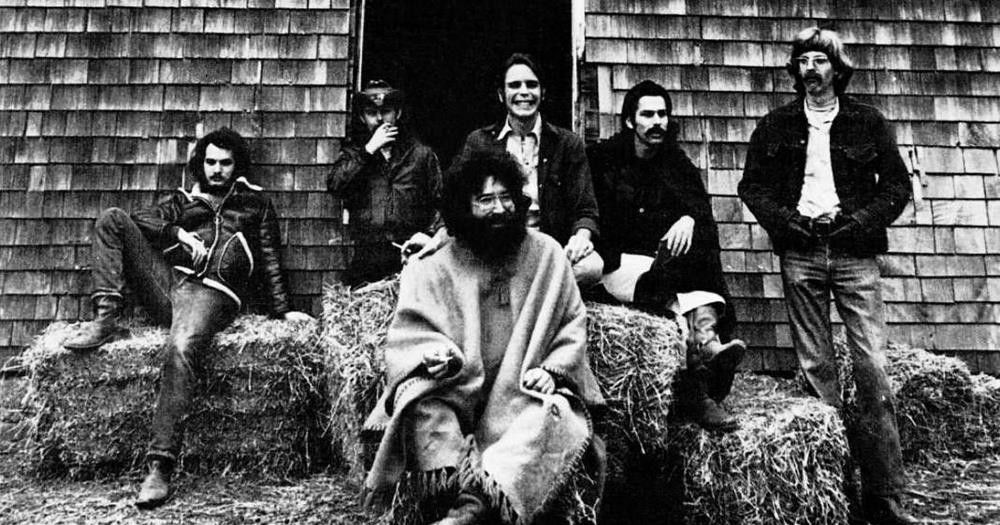
The Grateful Dead became legendary for their improvisational style and eclectic blend of rock, folk, blues, and psychedelia. Their music transcended studio albums, as the band built a loyal fan base, known as “Deadheads,” through their live performances. Each concert was unique, with extended jam sessions that took on a life of their own, making the live experience central to their appeal.
The band, led by Jerry Garcia, was as much about community as it was about the music, creating a dedicated following that traveled with them from show to show. Though their studio albums, such as American Beauty (1970) and Workingman’s Dead (1970), are critically acclaimed, it was their live albums, like Europe ’72 and Live/Dead, that truly captured the essence of the Grateful Dead.
25. Neil Young

Known as the “Godfather of Grunge,” Neil Young’s deeply personal and often politically charged music resonated with audiences throughout the 1970s. His work spans genres, blending folk, rock, and country, with a distinctive, raw edge that made his sound instantly recognizable. Young’s 1970 album After the Gold Rush and his 1972 masterpiece Harvest catapulted him to fame, with tracks like “Heart of Gold” and “Old Man” becoming classics.
His often melancholic lyrics, combined with his vulnerable vocal delivery, gave his music an emotional weight that resonated with listeners. Young was also known for his fierce independence, frequently shifting between acoustic ballads and hard-edged rock with albums like Tonight’s the Night and Rust Never Sleeps. His commitment to artistic integrity over commercial success made him one of the most respected figures in rock, influencing countless musicians who followed in his footsteps.
Conclusion
From Led Zeppelin’s hard-hitting riffs and Pink Floyd’s experimental soundscapes to Queen’s theatricality and David Bowie’s constant reinvention, these artists shaped the evolution of rock music. The decade also saw the rise of punk with The Clash and The Ramones, and the blending of genres, exemplified by Fleetwood Mac and The Eagles. Each artist contributed something unique, influencing future generations and cementing their place in music history.