

When you look at an alcoholic beverage, you might notice a number on the label labeled ABV. It is the measurement of the alcohol content in a drink. This percentage tells you how much alcohol is in a certain volume of liquid. If you want to learn more about this particular measurement for alcoholic beverages, here is a guide to ABV.
What Does “ABV” Mean?
ABV stands for Alcohol by Volume. It is a standard way to measure the amount of alcohol in a beverage. The percentage of ABV shows how much pure alcohol is present in a given amount of liquid. For example, a drink with 5% ABV means that 5% of the total liquid is alcohol.
The ABV of a beverage helps people gauge its strength. Beers typically have a lower ABV compared to wines and spirits. Having a better understanding of ABV is important for knowing how much alcohol you are consuming and choosing what to drink.
Who Created the ABV Measurement?
The measurement of Alcohol by Volume (ABV) has its origins in the early 19th century. Before ABV, there were various methods to measure alcohol content, but they were often inconsistent. The modern ABV system was developed in part by scientist Karl Balling, who was born in 1805 in Bohemia, now part of the Czech Republic.
Balling made important contributions to brewing and distilling by creating a more accurate method to measure alcohol content. He introduced the concept of determining the amount of alcohol based on the difference in liquid density before and after fermentation. This method helped lay the groundwork for the ABV measurement we use today.
In 1843, Balling’s work was further refined by German chemist Adolf Brix, who created a scale to measure the sugar content in liquids, which played a role in determining alcohol levels. The Brix scale is still used in winemaking and brewing today.
Later, British scientist William Thomson, also known as Lord Kelvin, helped standardize the measurement of alcohol content in spirits. His work in the late 19th century helped make the ABV method more accurate and widely accepted.
The creation of ABV allowed brewers, distillers, and consumers to have a clearer understanding of the strength of alcoholic beverages. This system is now used globally as the standard for measuring alcohol content in drinks and providing a consistent and reliable way to gauge their potency.
How is ABV Determined for Alcoholic Beverages?
To determine the ABV of an alcoholic beverage, the process starts by measuring the liquid’s density before and after fermentation. Before fermentation, the liquid contains sugars that yeast will convert into alcohol. Once fermentation is complete, the density changes because the sugars have been transformed into alcohol and carbon dioxide.
A tool called a hydrometer is often used to measure the density of the liquid. By comparing the density before and after fermentation, the alcohol content is calculated. This difference helps brewers and distillers know how much alcohol is present in the beverage. The result is expressed as a percentage, which is the ABV.
In more advanced settings, gas chromatography may be used to measure the alcohol content precisely. This method is often employed in laboratories for high-accuracy results, especially in the production of spirits. Regardless of the method used, the goal is to determine how much pure alcohol is in the drink.
The Meaning of “5% Alcohol by Volume”

When you see “5% Alcohol by Volume” on the label, it means that 5% of the total liquid is pure alcohol. This percentage is calculated based on the volume of the drink. For example, in a bottle of beer with 5% ABV, 5% of the liquid is alcohol, and the rest is water, flavoring, and other ingredients.
The higher the ABV, the stronger the beverage. Beers often range between 4% and 6% ABV, while wines usually fall between 12% and 14%. Spirits like vodka or whiskey have a much higher ABV, often around 40% or more.
The ABV of Beer
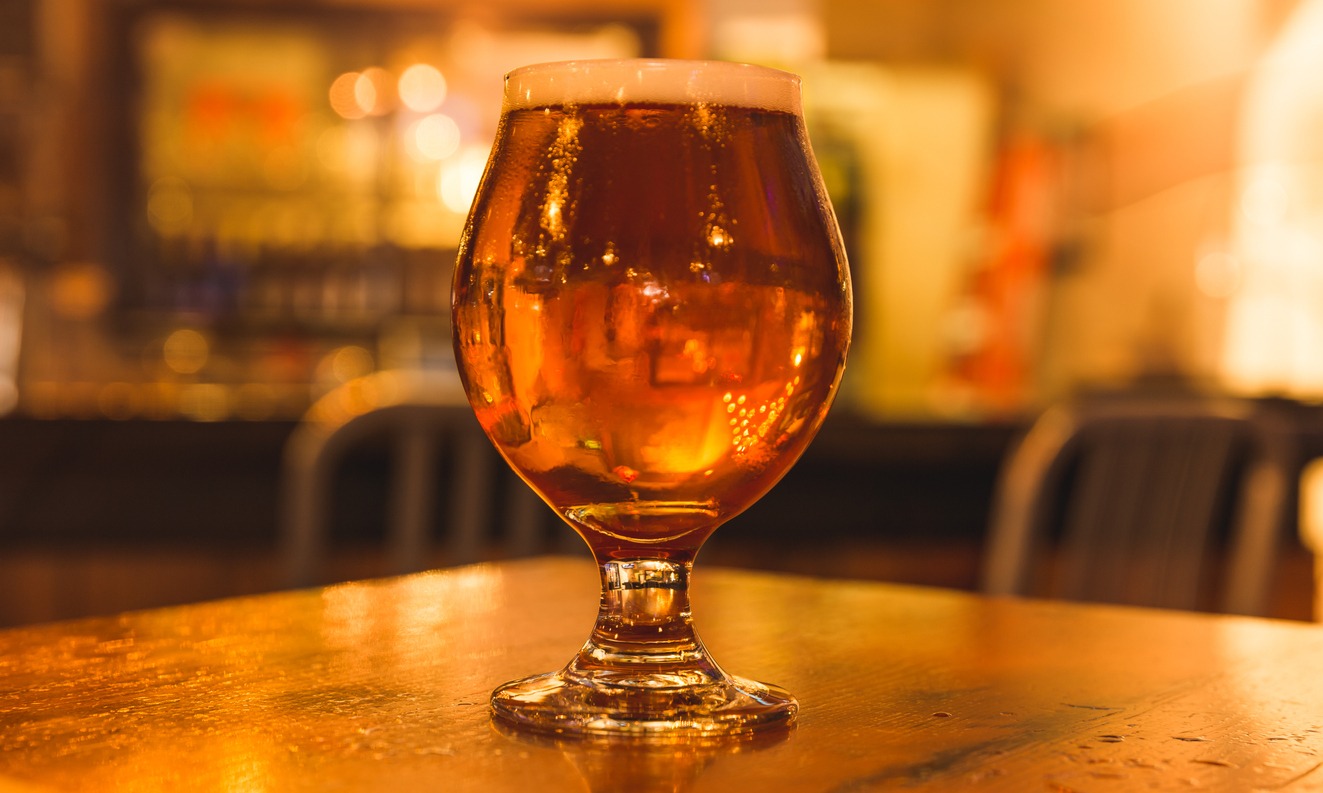
The ABV of beer typically ranges between 4% and 6%, though it can vary depending on the style and brewing process. Lighter beers, like lagers, often have a lower ABV around 4%, making them milder in terms of alcohol content. On the other hand, stronger beers such as IPAs or stouts can reach ABVs of 7% or higher.
Brewers use the ABV to help define the flavor and strength of their beer. Beers with a higher ABV tend to have bolder flavors and a stronger alcohol presence, while lower ABV beers are lighter and easier to drink. The ABV is an important factor for both brewers and drinkers to consider when choosing or making a beer. Check out our article on the “15 Things to Love About Beer” to know about the importance of beer and the reasons to drink it.
The ABV of Wine
The ABV of wine typically falls between 12% and 14%, and it can be determined on the type of wine and the region where it’s made. Lighter wines, such as white or rosé, often have a lower ABV, closer to 11% or 12%. Red wines usually have a slightly higher ABV, often ranging from 13% to 15%.
Wines made in warmer climates tend to have a higher ABV because the grapes produce more sugar, which leads to more alcohol during fermentation. Dessert wines and fortified wines, such as port or sherry, can have ABVs that exceed 20%. Knowing the ABV of wine helps you understand the strength and flavor profile of the drink, as higher alcohol content can lead to richer and fuller-bodied flavors. If you want to know about the benefits of wines that have a lower alcohol level, read our article, “Can Lower Alcohol Wines Elevate Your Drinking Experience Without the Buzz?”
The ABV of Other Alcoholic Beverages
The ABV of alcoholic beverages varies widely depending on the type. Below are the typical ABV ranges for some common alcoholic drinks beyond beer and wine.
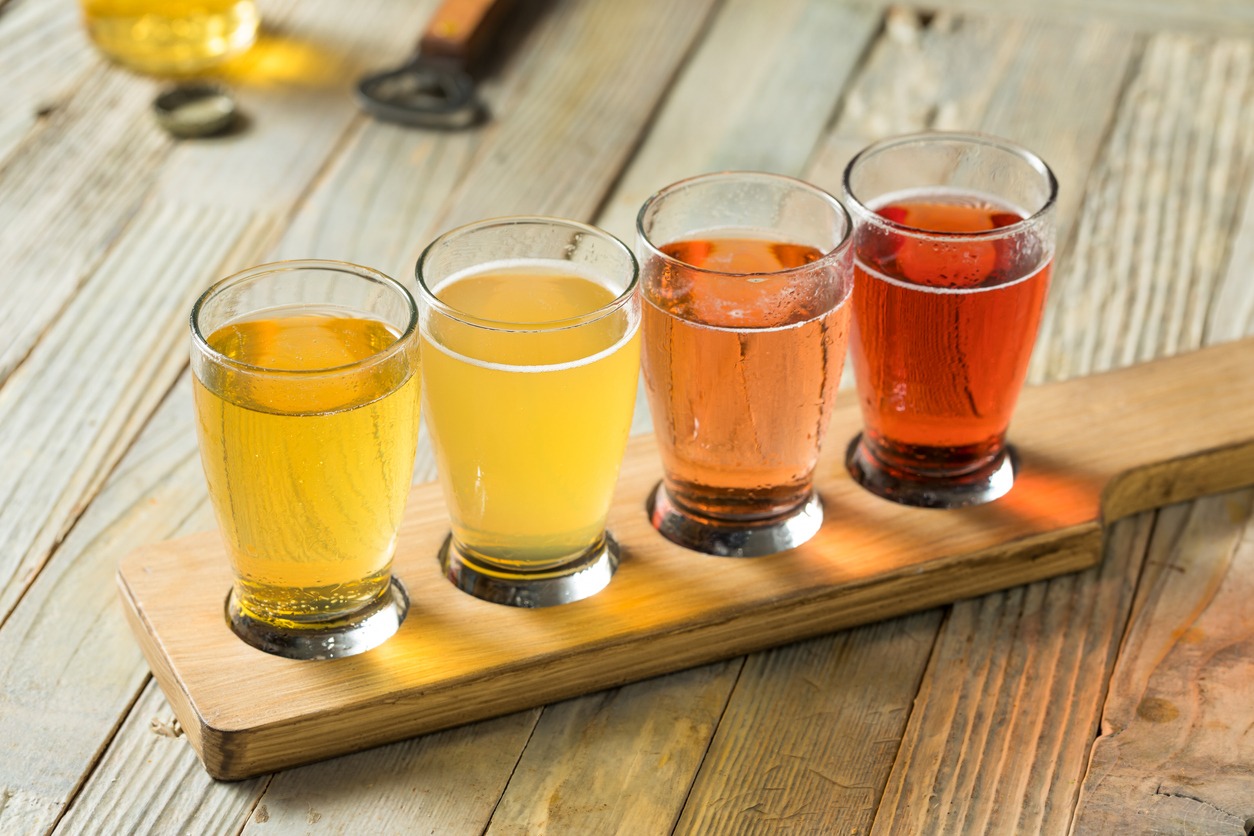
- Cider: Ciders usually have an ABV between 4% and 6%. Some stronger versions may reach up to 8%.
- Mead: Traditional mead, made from fermented honey, often has an ABV ranging from 8% to 12%. Stronger varieties can go as high as 20%.
- Spirits: Liquors such as vodka, whiskey, rum, and gin generally have an ABV of around 40%. Some higher-proof spirits can reach up to 50% or more.
- Sake: Japanese sake typically has an ABV between 15% and 20%, depending on the brewing process.
- Liqueurs: Liqueurs, which are often sweetened and flavored, have lower ABVs, usually between 15% and 30%, making them lighter than most spirits.
Conclusion
Knowing the intricacies of ABV is essential when it comes to alcoholic beverages. It tells you how much alcohol is in your drink and helps you make informed choices about what to consume. Different types of drinks, like beer, wine, and spirits, have varying ABV levels, which influence their strength and flavor. Knowing the ABV allows you to enjoy your drinks with a better understanding of their alcohol content.