

When you think of Winter Olympic sports, events like skiing, hockey, or figure skating might come to mind. But curling — with its sliding stones, frantic sweeping, and quiet intensity — holds a unique place in the lineup. Often described as “chess on ice,” curling combines strategy, precision, teamwork, and tradition, making it one of the most intriguing sports on the Olympic stage.
With roots stretching back centuries, curling has evolved from a simple winter pastime to a globally recognized and fiercely competitive sport. Let’s dive into the rich history of curling, its rise to Olympic fame, and why it continues to captivate audiences around the world.
The Origins of Curling
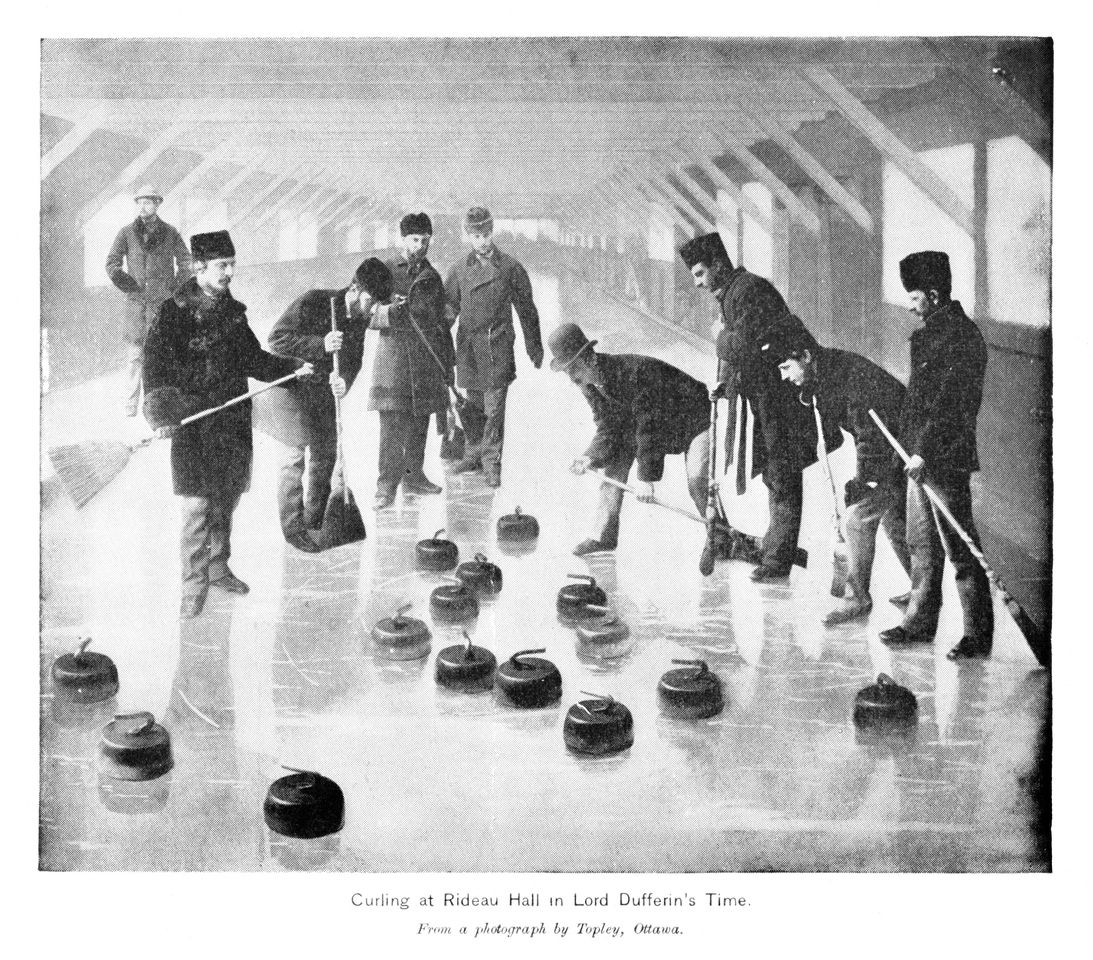
Curling traces its beginnings to 16th-century Scotland. In 1541, a notary public in Paisley recorded a challenge between a local monk and a relative of the abbey’s abbot on a frozen pond — the earliest documented reference to the sport. Even earlier, curling stones dating back to 1511 have been discovered in Scottish lochs, complete with handles, offering a glimpse into the game’s primitive roots.
The basic premise of sliding stones across ice toward a target has remained largely unchanged. Originally, stones were simply shaped rocks, but over time, they evolved into crafted pieces specifically designed for the sport. Players competed outdoors on frozen ponds and lochs, often braving harsh Scottish winters.
In 1838, the Grand Caledonian Curling Club (later renamed the Royal Caledonian Curling Club) was established to standardize rules and formalize the growing sport. The club’s influence helped curling spread beyond Scotland, eventually reaching Canada, the United States, and Northern Europe.
Curling’s Early Expansion
Scottish immigrants carried curling overseas, with Canada becoming one of the sport’s most enthusiastic adopters. In fact, the Montreal Curling Club, established in 1807, is recognized as the oldest active sports club in North America.
The cold Canadian winters provided perfect conditions for outdoor curling, and the sport quickly wove itself into the nation’s cultural fabric. Curling clubs began popping up across the country, and by the early 20th century, it had become a mainstream winter sport in Canada.
The Canadian Curling Association (now Curling Canada) was formed in 1935, helping to organize national tournaments and foster a professional competitive environment. Thanks to Canada’s commitment, curling would later achieve international prominence.
Curling and the Olympics: A Bumpy Road
Curling made its Olympic debut at the first Winter Games held in Chamonix, France, in 1924. However, the competition was initially labeled as a “demonstration sport,” and curling was not officially recognized as an Olympic event until decades later.
For much of the 20th century, curling hovered on the margins of the Winter Games. It appeared sporadically as a demonstration event, notably at the 1932 Lake Placid Games and again at the 1988 Calgary Games, where enthusiastic crowds hinted at the sport’s growing international appeal.
Finally, in 1998, the International Olympic Committee (IOC) granted curling full medal status at the Nagano Winter Olympics. Both men’s and women’s curling tournaments debuted to strong fanfare, forever solidifying curling’s place in the Olympic tradition.
The Rise of Professional Curling

Outside the Olympics, curling evolved into a serious competitive sport. The World Curling Federation (WCF), established in 1966, played a key role in organizing and regulating international competitions. The World Men’s Curling Championship, which began in 1959 as the “Scotch Cup,” and the World Women’s Curling Championship, starting in 1979, further fueled curling’s global growth.
In the 21st century, curling’s professionalization reached new heights with the introduction of the Grand Slam of Curling in 2001. This elite series of tournaments features top-ranked teams competing for significant prize money and prestige. The Grand Slam events, primarily held in Canada, draw international teams and have helped elevate the skill level and visibility of the sport.
Curling in the Modern Era

The modern era saw curling’s governance become more structured with the establishment of the World Curling Federation (WCF) in 1966. This body played a crucial role in standardizing rules and organizing international competitions, such as the World Curling Championships, which became key events in the sport’s calendar. The WCF’s efforts to promote curling worldwide contributed to its inclusion in the Winter Olympics as a full medal sport in 1998, a landmark event that boosted curling’s international profile.
Curling’s appeal in the modern era is also due in part to its unique blend of strategy, teamwork, and physical skill, often referred to as “chess on ice.” This has attracted a diverse following, from those who appreciate the cerebral aspects of the game to those drawn to its social and competitive nature.
The advent of televised curling matches and the rise of social media have further propelled the sport into the spotlight, allowing fans to follow their favorite teams and players more closely than ever before. The introduction of mixed doubles curling, which made its Olympic debut in 2018, has added a dynamic new dimension to the sport, emphasizing speed, agility, and partnership.
Interesting Facts About Curling

Beyond the stones and sweeping, curling is packed with fascinating trivia that adds even more character to this unique sport:
1. Two Sets of Stones
Each curling stone is crafted from rare granite found only on Ailsa Craig, a small island off Scotland’s coast, or from the Trefor Granite Quarry in Wales. This special granite is prized for its durability and water resistance.
2. Spirit of Curling
Unlike many sports, curling is steeped in self-regulation and honor. Players are expected to call their own fouls, congratulate opponents, and uphold the “Spirit of Curling,” emphasizing sportsmanship over competitiveness.
3. Science of Sweeping
Sweeping isn’t just frantic brushing — it actually heats the ice slightly, reducing friction and allowing the stone to travel farther and straighter. Top-level sweepers can alter a stone’s path by several feet.
4. Long Olympic Journey
Although it was played at the inaugural 1924 Winter Olympics, curling wasn’t officially recognized as an Olympic medal sport until 1998, over seven decades later.
5. Outdoor Beginnings
In its early days, curling was exclusively an outdoor sport. Matches were played on frozen lakes and rivers, with games often depending on favorable weather.
6. Nighttime Curling
In 17th-century Scotland, nighttime matches were illuminated by bonfires lining the sheets of ice, creating a festive and surreal atmosphere.
7. Unique Terminology
Curling’s language is colorful and unique. A “hog line” marks where stones must be released, a “house” is the target circle, and a “bonspiel” is a curling tournament.
8. Stones Can Last a Century
A well-made curling stone can endure decades of play — some stones used today are over 100 years old!
9. Pioneering Women’s Curling
The first women’s curling club was founded in Scotland in 1843, demonstrating early inclusivity in a time when many sports excluded female participants.
10. “The Roaring Game”
Curling earned the nickname “The Roaring Game” because of the rumbling sound stones make as they glide across the pebbled ice.
Memorable Olympic Moments
Curling has provided its share of unforgettable Olympic drama:
-
2002 Winter Olympics: Canada’s men’s team, led by Kevin Martin, captured silver while their women’s team took gold, marking a high point in Canada’s curling legacy.
-
2014 Sochi Games: Canada’s men’s and women’s teams both won gold, cementing Canada’s status as the curling powerhouse.
-
2018 Pyeongchang Olympics: The U.S. men’s team, skipped by John Shuster, defied the odds to win their first-ever Olympic curling gold medal, stunning the curling world.
Conclusion
Curling may seem quirky to some, but its rich history, strategic depth, and vibrant culture have earned it a rightful place among the world’s great sports. Whether it’s the sliding of stones on pebbled ice, the strategic calls of skips, or the spirited sweeping, curling offers a blend of skill, precision, and sportsmanship that few sports can match.
Today, curling continues to grow globally, welcoming players and fans of all ages and backgrounds. Its blend of tradition, innovation, and camaraderie ensures that this once-peculiar Scottish pastime will roar across the ice for generations to come.