
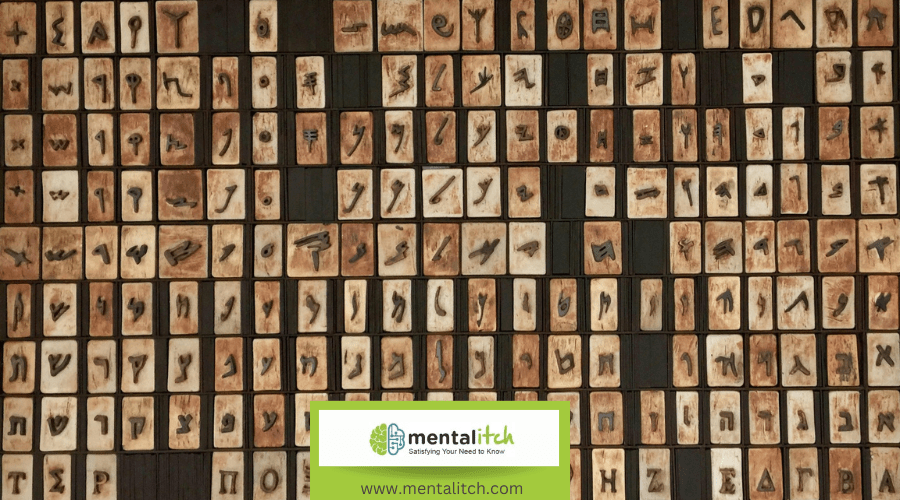
Symbols have played a key role in human progress since ancient times. They help people make sense of the world, share ideas, and build complex societies. Early symbols started as simple pictures of objects. These grew into more abstract shapes that could stand for complex ideas.
The first symbols were cave paintings from thousands of years ago. People drew animals and other things they saw. This may have been a way to gain power over nature or just record what they knew. Either way, it shows early humans trying to understand their world through art.
As groups grew larger, they needed better ways to keep records. The Sumerians in Mesopotamia created some of the first writing systems. They used small pictures called pictographs to represent objects. Over time, these became more abstract. The Sumerians found that simple wedge shapes pressed into clay were faster to write than detailed drawings. This new style was called cuneiform.
Egyptian hieroglyphs worked in a similar way. They could stand for objects, ideas, or sounds. This flexibility made them powerful but also hard to read. It took the discovery of the Rosetta Stone for modern scholars to crack the code.

The alphabet we use today came from a long line of symbol systems. The Phoenicians, Greeks, and Romans all added to it over time. The Greeks introduced vowels, which let the alphabet write any spoken language. The Romans settled on most of the letter shapes we still use.
Symbols do more than just make up writing systems. They can also:
- Identify things or groups
- Describe ideas or concepts
- Create value or meaning
Many ancient symbols had deep spiritual or cultural meanings. Here are some examples:
- Ankh: An Egyptian symbol for life and rebirth
- Scarab: Represented the sun god and new beginnings in Egypt
- Anubis: The jackal-headed god of death and the afterlife
- Caduceus: A Greek symbol of commerce, now often used for medicine
- Ouroboros: A snake eating its own tail, symbolizing cycles and eternity
These symbols appeared on art, jewelry, and religious objects. They helped people express complex ideas about life, death, and the gods.
Some ancient symbols are still used today. The ankh, for example, remains a popular design for jewelry. Others have evolved new meanings. The caduceus is now often confused with the rod of Asclepius as a medical symbol.
Symbols also played a key role in trade and commerce. Merchants used marks to show ownership of goods. These evolved into modern trademarks and logos. Simple shapes or letters could stand for a whole company or product line.

As societies grew more complex, so did their use of symbols. Medieval Europe saw the rise of heraldry, with intricate designs identifying noble families. Religious symbols became more standardized, helping spread the faith across language barriers.
The industrial age brought new needs for clear, universal symbols. Road signs, for instance, use simple shapes and colors to convey information quickly to drivers. The power of these designs lies in their simplicity and consistency.
Today, symbols are everywhere in our daily lives. From app icons on our phones to universal signs in airports, we rely on quick visual cues to navigate the world. Good symbol design strips away unnecessary details to focus on core meaning.
Symbols continue to evolve with technology and culture. Emojis, for example, are a new global language of tiny pictures. They let people express complex emotions and ideas quickly in text messages and online.
The history of symbols shows a trend toward simplification. The best symbols are clear and unique. They avoid extra details that might confuse the message. This makes them easy to recognize and remember.
At the same time, symbols can hold layers of meaning. A national flag, for instance, may represent a country’s history, values, and aspirations all at once. Religious symbols often carry deep spiritual significance for believers.

Symbols have been key to human progress in many fields:
- Science uses symbols to represent elements, forces, and concepts
- Math relies on symbols for numbers, operations, and complex ideas
- Music notation uses symbols to record melodies and rhythms
- Computer code is built on symbols that tell machines what to do
In each case, symbols let people capture and share knowledge in a compact form. This has sped up learning and discovery across generations.
The power of symbols lies in their ability to bridge gaps:
- Between cultures (like international road signs)
- Across time (ancient symbols we still recognize)
- Between concrete and abstract ideas
By giving visible form to invisible concepts, symbols help us think about and discuss complex topics. They can make big ideas feel more real and manageable.
As our world becomes more connected, the need for clear, universal symbols grows. Designers face the challenge of creating icons that work across cultures and languages. The best modern symbols often draw on ancient forms, updated for new contexts.
Symbols remain a vital tool for organizing human knowledge and society. From the first cave paintings to the latest digital icons, they help us make sense of our world and share that understanding with others. As long as humans need to communicate quickly and clearly, symbols will play a key role in our lives and progress.