

The Earth is home to many incredible geological wonders that showcase the power and beauty of nature. These unique features range from towering mountains to deep caves and colorful rock formations. They are the result of millions of years of natural processes like erosion, volcanic activity, and tectonic shifts.
Some of these geological marvels have gained worldwide fame as natural wonders. They attract visitors from all over the globe who come to witness their awe-inspiring sights. Many of these places are now protected as UNESCO World Heritage Sites to preserve their special characteristics and biodiversity for future generations.
Eye of Sahara – Mauritania’s Natural Wonder
The Eye of Sahara, also called the Richat Structure, is a massive circular formation in Mauritania. It stretches 40 kilometers across the desert landscape. From above, it looks like a giant bull’s eye.
People once thought a meteor made this strange shape. But scientists now know it formed naturally. Over millions of years, wind and water wore away layers of rock. This slow process carved out the eye-catching rings we see today.
Rainbow Mountain – Peru’s Colorful Wonder
View this post on Instagram
Vinicunca, a mountain range southeast of Cusco, boasts an eye-catching display of colors. The slopes are striped with vibrant hues, creating a natural rainbow effect. These colors come from different minerals in the rock layers. Over time, climate changes exposed these hidden layers.
The Rainbow Mountains draw many visitors each year. Tourists trek to see this unique sight in the Peruvian Andes. The mountain’s beauty makes it a top attraction in Peru.
Pamukkale ⎯ Turkey’s White Wonder
View this post on Instagram
Pamukkale, a natural marvel in Turkey, showcases stunning white terraces. These formations result from mineral-rich waters flowing down the hillside. Over time, the water deposits calcium carbonate, creating a stair-like pattern.
The name Pamukkale means “Cotton Castle” in Turkish. This name fits well, as the white terraces look like fluffy cotton from afar. Visitors can enjoy small pools of warm, mineral-rich water on these terraces.
The Wave — Arizona’s Sandstone Marvel
View this post on Instagram
The Wave is a breathtaking sandstone formation in Arizona, near the Utah border. Its stunning beauty comes from smooth, curved lines that seem to flow through the rock. Wind and rain shaped this natural wonder over many years.
The Wave’s colors are eye-catching. Rich reds mix with softer yellows and pale shades. These hues come from different minerals in the stone. Iron gives the rock its reddish tint.
Visitors marvel at the Wave’s unique look. Its graceful curves and vivid colors make it stand out in Arizona’s landscape. The formation shows how nature can create art over time.
Fly Geyser — Nevada’s Accidental Wonder

The Black Rock Desert in Nevada is home to a unique geological marvel known as Fly Geyser. This eye-catching formation came into being due to a mishap during a drilling project in 1964. The improperly sealed well allowed hot water to escape, gradually building up mineral deposits over time.
These deposits formed colorful cones and pools around the geyser. Today, Fly Geyser continues to spray hot water into the air. The resulting mist quickly dissipates in the desert breeze, adding to the geyser’s mystical appearance.
Tsingy de Bemaraha National Park — Madagascar’s Stone Maze

Tsingy de Bemaraha National Park is home to an amazing display of nature’s artistry. Sharp limestone spikes cover the land, creating a maze-like landscape. This odd terrain formed over many years as rain slowly ate away at the rock.
The park’s unique look makes it stand out. It’s both scary and pretty at the same time. Plants and animals thrive here, making it a key spot for nature lovers.
Underwater Waterfall – Mauritius
Off the coast of Mauritius, a stunning sight catches the eye. Sand and silt flow down a steep slope, creating the illusion of an underwater waterfall. This natural wonder is best seen from above. The different shades of blue in the water make it look like a cascading fall within the ocean itself.
Mauritius’ volcanic past plays a role in this spectacle. Deep cracks in the seafloor near Le Morne Brabant peninsula add to the effect. Ocean currents push sand and silt over the edge, enhancing the waterfall-like appearance.
This unique blend of geology and ocean movement results in a breathtaking view that draws visitors from around the world.
Fumaroles: Yellowstone’s Hottest Wonders

Yellowstone National Park boasts some of the most intense geothermal features on Earth. Among these, fumaroles stand out as the hottest. These vents in the ground release scorching steam and water, formed when super-heated rocks meet underground water sources.
The extreme pressure and heat make fumaroles dangerous up close. Visitors must observe from a safe distance. Even so, these powerful steam vents offer an awe-inspiring glimpse into Yellowstone’s volcanic heart.
Fumaroles showcase the park’s unique geology. They’re just one part of Yellowstone’s vast network of over 10,000 hydrothermal features.
Marble Caves – Chile
View this post on Instagram
The Marble Caves near Puerto Tranquilo are a natural wonder. These caves formed over thousands of years. Water and wind slowly shaped layers of calcium carbonate. This process created an amazing system of caves, tunnels, and pillars.
The caves have a special look. They’re mostly white, but blue streaks appear when sunlight hits them just right. This makes for a beautiful sight.
Visitors can see the caves up close by boat. The remote location adds to the adventure. Here’s what makes the Marble Caves special:
- Formed over thousands of years
- Made of calcium carbonate
- Shaped by water and wind
- White color with blue streaks
- Accessible by boat tours
The Marble Caves show how nature can create stunning art over time.
Giant’s Causeway – Natural Wonder of Northern Ireland

The Giant’s Causeway is a remarkable geological formation on the coast of County Antrim in Northern Ireland. It features about 40,000 hexagonal basalt columns created by an ancient volcanic eruption. When hot lava met the cold sea, it cooled quickly and cracked into these unusual shapes.
The site’s strange appearance has inspired local legends. Some say a giant built the columns as a path to Scotland.
Today, the Giant’s Causeway is a popular tourist spot. It was named a UNESCO World Heritage Site in 1986. Visitors can walk on the columns and explore the scenic coastline. The area also has rare plants and animals.
Uyuni Salt Flat – Bolivia’s Natural Wonder

The Uyuni salt flat in southwest Bolivia is a breathtaking sight. It covers about 11,000 square kilometers, making it the biggest salt pan on Earth. The flat’s surface has a unique pattern of hexagonal shapes that look like they were carved by hand.
This amazing place formed when ancient lakes dried up long ago. The process left behind thick layers of salt and minerals like lithium. While it often looks dry, the salt flat can change dramatically with the seasons. During wet times, a thin layer of water covers the salt. This creates a mirror-like effect that reflects the sky and clouds above.
The Fiery Pit of Darvaza
View this post on Instagram
In the heart of Turkmenistan lies a strange sight. The Darvaza gas crater, known as the Door to Hell, burns day and night. This huge hole is 70 meters wide. It started by accident in 1971 when Soviet explorers were drilling. The ground gave way, creating a big pit. Methane gas began to leak out. To stop the gas, the team set it on fire. They thought it would burn out fast. But the flames never stopped. For over 50 years, this pit has glowed in the desert. It’s a weird mix of human error and nature’s power. The crater draws curious visitors who want to see its eerie glow up close.
The Danakil Depression – Ethiopia’s Geological Marvel
View this post on Instagram
The Danakil Depression is a striking landscape that sits below sea level in Ethiopia. It’s part of the East African Rift system, where the earth’s crust is slowly splitting apart. This process has led to some amazing sights.
Volcanoes and salt flats dominate the area. Magma from deep underground has pushed up through cracks in the earth’s surface. This has formed big volcanoes over time. The salt flats add to the otherworldly look of the place.
The colors in the Danakil Depression are eye-catching. From above, it might look like layers of bright algae. But these hues come from minerals and geological processes. While beautiful, the area is very harsh and unsafe for humans to explore up close.
Pink Lakes Around the World
Pink lakes are a rare and eye-catching natural wonder. These unique bodies of water get their rosy hue from special algae and bacteria. Some famous pink lakes include Lake Hillier in Australia and Lake Retba in Senegal.
Lake Hillier stands out for its vivid pink color. The lake’s bright shade comes from tiny algae called Dunaliella salina. These algae make pink pigments as they grow. To protect the lake, visitors can only view it from the air.
Lake Retba in Senegal also has a pink tint from similar algae. But its color can change based on the weather. Sometimes it looks more pink, while other times it may appear less colorful.
Other pink lakes exist in different parts of the world, too. Each one is special and worth seeing if you get the chance.
Mexico’s Enchanting Cenotes
View this post on Instagram
Mexico boasts a stunning natural wonder: cenotes. These water-filled sinkholes form when limestone collapses, creating deep pits filled with crystal-clear water. The Yucatán Peninsula is home to many of these magical pools.
Cenote Ik Kil stands out as a top attraction. This 40-foot deep pit is ringed by lush plants and vines. Ancient Mayans saw it as a sacred site for rituals.
Another gem is Dos Ojos, or “Two Eyes.” This pair of cenotes sits side by side, connected by an underwater passage. It’s part of a vast cave system that draws divers and snorkelers from around the world.
Visitors can swim, dive, or simply admire these natural pools. The clear waters offer views of unique rock formations and aquatic life. Many cenotes have stairs or platforms for easy access.
These natural wonders provide a cool escape from the Mexican heat and a glimpse into the region’s geology and history.
Waitomo Glowworm Caves – New Zealand
View this post on Instagram
The Waitomo Glowworm Caves offer a magical underground adventure. Visitors glide silently through dark caverns lit by countless tiny blue-green lights. These lights come from special worms that glow in the darkness. The effect is like floating under a starry sky.
The caves also boast stunning rock formations. Stalactites and stalagmites create an otherworldly landscape. Many tourists say the experience feels unreal.
Key features:
- Boat rides through glowing caves
- Thousands of bioluminescent worms
- Impressive limestone structures
This natural wonder draws people from around the globe. It’s a prime example of New Zealand’s unique beauty.
Mount Kelimutu — Indonesia
View this post on Instagram
Mount Kelimutu stands out as a natural wonder in Indonesia. Its main draw is three crater lakes, each boasting a unique color. These hues shift over time due to mineral content changes in the water. The lakes create a striking contrast against the lush green surroundings.
Visitors can reach Mount Kelimutu with ease. Options include:
- Motorbike taxi (ojek)
- Car
- Public transport
These take you to a parking area. From there, a short 30-minute walk leads to the crater lakes. The mix of colors and landscapes makes for a truly eye-catching sight.
Badab-e Surt — Iran’s Hidden Gem
View this post on Instagram
Badab-e Surt is a stunning natural wonder in Iran. It boasts terraced pools in vibrant orange, red, and yellow hues. These pools formed over millennia from mineral-rich spring water.
The site’s remote location adds to its charm. Few visitors make the journey, offering a peaceful experience. To reach Badab-e Surt, travelers must:
- Drive 8 hours from Tehran
- Take a 4WD vehicle on rough roads
- Hike 3 kilometers to the springs
This off-the-beaten-path treasure rewards adventurers with breathtaking views. The colorful terraces create a dreamlike landscape that seems unreal. Nature’s artistry is on full display in this unique geological formation.
Badab-e Surt’s beauty captivates those who make the trek. Its remote setting ensures a serene visit away from tourist crowds.
Blood Falls — Antarctica’s Crimson Wonder
View this post on Instagram
The Taylor Glacier in Antarctica hides a striking secret. A bright red waterfall flows from its icy depths, staining the white landscape. This strange sight is known as Blood Falls. The water gets its red color from iron. As it flows out of the glacier and meets the air, it turns red.
Scientists have studied Blood Falls for years. They want to know why it happens. Some think they have an answer, but others aren’t sure. The red water keeps flowing, leaving us with questions. It’s both scary and amazing to see. Blood Falls shows how nature can surprise us in unexpected ways.
Tianzi Mountains – China’s Natural Masterpiece
View this post on Instagram
The Tianzi Mountains in China’s Wulingyuan District offer a breathtaking experience. These towering peaks are part of the Wulingyuan Scenic Area, known for its stunning landscapes. Visitors can enjoy four amazing sights:
- Misty clouds around cliffs
- Bright, lit-up skies
- Sunbeams on mountain faces
- Snowy winter scenes
The highest peak in the area is found here. Many people say visiting feels like stepping into a real-life painting. The views change with the seasons, giving each trip a unique feel.
Lençóis Maranhenses — Brazil’s Sand Dune Wonder
View this post on Instagram
Lençóis Maranhenses is a unique natural marvel in Brazil. This area features vast white sand dunes with clear freshwater pools. The lagoons form between March and September, creating a dreamlike scene.
The park is off the beaten path for many tourists. It sits in northern Brazil, far from major cities. Visitors can pair a trip here with a stop in São Luis, a UNESCO site about 150 miles to the west.
This rare landscape offers a one-of-a-kind experience. The contrast of pure white sand and blue water is striking. Travelers who make the journey are rewarded with unforgettable views.
Chocolate Hills – Philippines
The Chocolate Hills are a remarkable natural wonder in Bohol, Philippines. These unique formations consist of over 1,700 limestone peaks covered in grass. During dry seasons, the grass turns brown, giving the hills a chocolate-like appearance.
Visitors flock to this popular attraction year-round. To see the hills, travelers must journey to Bohol island. From there, a bus or van ride to Carmen town leads to a viewpoint overlooking the landscape.
Despite their name, these hills are not edible! They are simply an extraordinary geological feature that draws tourists from around the world.
Fingal’s Cave – Scotland’s Natural Wonder
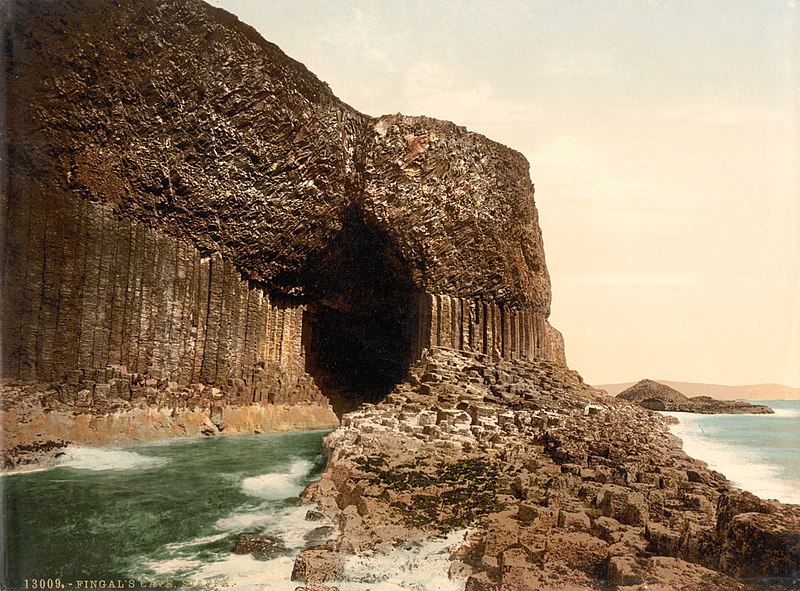
Staffa Island in Scotland holds a remarkable geological treasure: Fingal’s Cave. This sea cave stands out for its unique hexagonal basalt columns. These pillars form a cathedral-like structure, creating an awe-inspiring sight.
The cave’s natural acoustics add to its allure. As waves crash inside, they produce haunting sounds that echo off the walls. Visitors can explore the cave via a walkway. During low tide, clear blue waters reveal the cave’s stunning features.
Jeju’s Volcanic Caverns ⎯ South Korea’s Hidden Wonders
View this post on Instagram
Jeju Island boasts a remarkable network of underground passages known as lava tubes. These natural marvels formed when molten rock flowed beneath the earth’s surface. The tubes feature striking colors and textures. Visitors can see dark lava walls, vibrant carbonate floors, and colorful ceilings.
The area includes three main sites spread across 18,846 hectares. One standout feature is a cone-shaped formation rising from the sea, resembling an ancient fortress. Mount Halla adds to the island’s beauty with its waterfalls and crater lake.
Currently, the tubes are closed for upgrades. They plan to welcome guests again in 2025.
Angel Falls — Venezuela’s Natural Marvel
Angel Falls stands as the world’s tallest uninterrupted waterfall. It drops an incredible 3,200 feet from Auyán-tepui mountain in Venezuela. This stunning natural wonder is nestled in a dense rainforest, adding to its remote beauty.
Visitors have two main options to experience Angel Falls:
- Flyover: Get a bird’s-eye view from an aircraft
- Ground visit:
- Travel to Canaima Camp
- Take a canoe ride
- Hike uphill to the base
The falls’ isolated location adds to its allure, making it a prized destination for nature lovers and adventure seekers alike.
Pulpit Rock (Preikestolen) ⎯ Norway
View this post on Instagram
Pulpit Rock stands as a natural marvel in Norway’s landscape. This flat-topped cliff soars about 2,000 feet above Lysefjord, offering stunning views. The hike to reach it takes 4-5 hours round trip. Though tough, the trek rewards hikers with amazing sights.
Nature lovers flock to this spot for its beauty. The thrill of standing on the edge is unforgettable. Visitors can see fjords and mountains stretching out below. This view makes Pulpit Rock a top choice for outdoor fans.
Mount Bromo and the Sea of Sand ⎯ East Java’s Volcanic Wonders
View this post on Instagram
Mount Bromo stands tall in East Java’s Bromo Tengger Semeru National Park. This active volcano is a key feature of the park’s unique landscape. The area boasts a vast expanse of volcanic sand, stretching 10 km across. Four volcanic cones rise from this sandy sea, with Bromo being the most active.
Visitors can explore the park through guided tours. Many choose to travel by 4×4 jeep from nearby cities. These trips often include stops at:
- Coban Pelangi Waterfall
- Ngadas Village
- Ijen Crater
The park’s volcanic activity has shaped its rocky terrain over time. This mix of sand and volcanic rock creates a striking scene for tourists and scientists alike.
Blue Hole — Belize’s Underwater Marvel

The Great Blue Hole stands as a remarkable natural feature off Belize’s coast. This massive underwater sinkhole is part of the Belize Barrier Reef Reserve System, a UNESCO World Heritage Site. Its clear waters reveal amazing stalactites and lots of sea life.
Diving here is a top activity for visitors to Belize. Even those who don’t want to go deep can enjoy a swim in the hole. For a different view, flying over the Blue Hole offers a stunning look at the whole reef system.
Key facts:
- Location: Off the coast of Belize
- Type: Underwater sinkhole
- Part of: Belize Barrier Reef Reserve System
- UNESCO status: World Heritage Site
Valley of Geysers — Russia
View this post on Instagram
The Valley of Geysers is a hidden gem in Russia’s Kamchatka Peninsula. It boasts the world’s second-largest group of geysers. This special place has many geysers, hot springs, and steam vents. The landscape looks like something from a fairy tale.
Visitors can only reach the valley by helicopter. This helps keep the area safe from too many people. The Russian government limits trips to protect the valley’s rare features.
People who love nature and earth science find the Valley of Geysers very exciting. It shows how powerful the earth can be below our feet.
White Desert (Sahara el Beyda) ⎯ Egypt
View this post on Instagram
The White Desert in Egypt is a breathtaking natural wonder. Its unique landscape is filled with white rock formations shaped by wind and sand over many years. These rocks are made of limestone, calcium, and quartz crystals, giving the area its distinctive appearance.
Visitors to the White Desert can see amazing sights:
- Strange rock shapes that look like sculptures
- Wide open spaces of white sand
- Beautiful sunsets and starry nights
The desert is home to some special animals:
- Fennec foxes
- Rhmim gazelles
- Sand cats
- Barbary sheep
These creatures have adapted to live in this harsh but beautiful place. The White Desert offers a one-of-a-kind experience for nature lovers and adventure seekers. Its stark beauty and otherworldly feel make it a must-see spot in Egypt.
Wrapping Up
The Earth truly has some stunning places! Each of these geological wonders offers a window into the planet’s incredible natural forces. From the blazing sands of the White Desert to the tranquil, starlit waters of Mexico’s cenotes, these places reveal just how varied and dramatic our world can be. Visiting any one of them would be an unforgettable experience filled with awe and appreciation for nature’s artistry.