
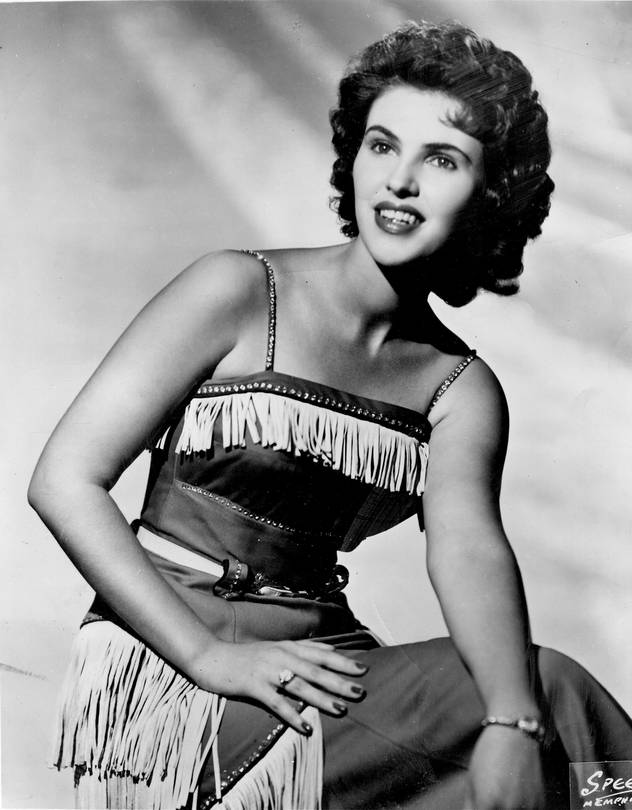
Wanda Jackson rocked the 1950s music world like few women ever had. With a gritty voice, flashy outfits, and bold attitude, she broke boundaries in a male-dominated genre. Often called the “Queen of Rockabilly” or the “First Lady of Rockabilly,” Jackson mixed country twang with rock-and-roll fire.
Her story spans decades, continents, and multiple genres. Here’s a look at her incredible journey.
| Full Name | Wanda Lavonne Jackson |
|---|---|
| Born | October 20, 1937 |
| Birthplace | Maud, Oklahoma, USA |
| Genres | Rockabilly, Rock and Roll, Country, Gospel |
| Notable Hits | “Let’s Have a Party”, “Right or Wrong”, “Fujiyama Mama”, “In the Middle of a Heartache” |
| Labels | Decca, Capitol, Third Man Records, Sugar Hill Records |
| Associated Acts | Elvis Presley, Jack White, Justin Townes Earle |
| Spouse | Wendell Goodman (m. 1961–2017) |
| Hall of Fame | Rock and Roll Hall of Fame (2009) |
| Website | www.wandajackson.com |
Early Life and Musical Roots
Wanda Lavonne Jackson was born on October 20, 1937, in Maud, Oklahoma. She later moved to Oklahoma City, where she spent most of her childhood. Her father, Tom Jackson, was a key influence. A former musician, he taught Wanda to play guitar and piano. He also encouraged her to sing and took her to country music concerts. Those moments shaped her musical dreams.
By high school, Wanda had landed a 15-minute radio show on KLPR-AM. The segment soon expanded to 30 minutes. Country boogie star Hank Thompson heard her on the radio and offered to record a duet with her. Their song, “You Can’t Have My Love,” became a Top 10 country hit in 1954. She was just 17.
Getting Started in the Industry

Capitol Records passed on signing her as a solo act, stating that “girls don’t sell records.” Decca Records disagreed and signed her instead. After finishing high school, she began touring. Her father managed and chaperoned her on the road.
It was during one of these tours that she met Elvis Presley. They briefly dated, but more importantly, Elvis urged her to try rock-and-roll and rockabilly—then new and rebellious styles. Jackson took the advice seriously. Elvis would remain one of her biggest musical influences.
Climbing the Charts
Jackson took a bold approach. She released records that featured a country song on one side and a rockabilly track on the other. It was a gamble, but it worked.
Some of her biggest hits included:
- “Let’s Have a Party” (#37 pop)
- “Right or Wrong” (#29 pop, #9 country, #9 adult contemporary)
- “In the Middle of a Heartache” (#27 pop, #6 country)
She also stirred controversy with fiery songs like “Fujiyama Mama,” which topped the charts in Japan despite being banned in some U.S. markets. Jackson often reworked male-centric songs for a female voice, including Elvis’ “Party” and Jerry Lee Lewis’ “Whole Lotta Shakin’ Goin’ On.”
With her fringe dresses, big hair, and stage swagger, Wanda Jackson proved that women could rock just as hard as men. Her energy and style were unlike anything the country or rock scene had seen before.
Switching to Country and Gospel

By the early 1960s, rockabilly was fading. Jackson pivoted to traditional country and scored several hits. She married IBM programmer Wendell Goodman, who soon became her manager. Together, they helped guide her successful country phase.
In 1971, both Wanda and Wendell embraced Christianity. That shift inspired her to record gospel music. Albums like Praise the Lord (1972) and Make Me Like a Child Again (1976) showcased her faith and vocal versatility. Her gospel work resonated with fans and expanded her audience.
Rockabilly Revival and Late-Career Success

In the 1980s and 1990s, rockabilly experienced a resurgence. Younger audiences rediscovered Wanda’s music. She started performing at festivals in Europe and Japan, where she already had a strong following. Her comeback gained momentum.
In 2009, she was inducted into the Rock and Roll Hall of Fame as an “Early Influence.”
The 2010s saw fresh collaborations. In 2011, she teamed up with Jack White (The White Stripes) for The Party Ain’t Over. The album brought her sound to a new generation and was released on White’s Third Man Records.
In 2012, she followed up with Unfinished Business, produced by Justin Townes Earle. The record blended blues, gospel, and country, showing off her enduring artistry.
Legacy and Influence
Wanda Jackson broke gender barriers in music long before it was common. She fused rock, country, and gospel in a way that was authentic and ahead of its time. Her independence, bold fashion, and fierce vocals paved the way for women in all genres.
Artists like Dolly Parton, Rosanne Cash, and Cyndi Lauper have cited her as an influence. Even Elvis Costello and Adele have shown admiration for her trailblazing work.
Today, Jackson’s catalog stands as a testament to resilience, talent, and rebellion.
Final Thoughts
Wanda Jackson didn’t just make music. She made history. From country radio shows to global rockabilly tours, she left a legacy that continues to inspire. Her fearless blend of sound, style, and self-expression still resonates with fans old and new.