

When considering the origins of beer, you might envision lively taverns and male brewers. It’s not uncommon that many associate beers with masculinity. But what if beer’s story began with women? Does it sound far-fetched? But this article reveals the truth about beer’s history that will surprise you!
In ancient Sumeria, women known as brewsters were instrumental in crafting this beloved beverage, suggesting a significant yet often overlooked connection. While it’s difficult to credit a single individual as the inventor, the pivotal role of women in early brewing practices raises intriguing questions about gender and history. So, how does this influence our understanding of beer today?
Historical Origins of Beer
Beer’s historical origins trace back to the Sumerians around 8,000 BC, where women were the original brewers. In these early societies, women, known as brewsters, played a fundamental role in beer production, managing the brewing process. This highlights their importance in daily life and social practices. The Sumerian goddess Ninkasi, representing beer, symbolizes the strong connection between women and brewing.
Archaeological findings indicate that grains used for baking and brewing were cultivated during the Neolithic period, underscoring an early understanding of these intertwined practices. Barley, in particular, was likely grown specifically for fermentation, hinting at an advanced brewing knowledge among these ancient cultures.
The history of women in brewing extends beyond the Sumerians. Records from as late as 1327 in Faversham, England, reveal that all 87 brewers were women. This long-standing tradition highlights the significant contributions women made to the beer industry, establishing a legacy that resonates through time. So, when you enjoy a cold beer, remember the essential role women played in its rich history.
Women in Ancient Brewing
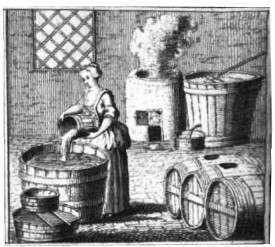
In ancient brewing practices, women were not merely participants but the backbone of the brewing process, shaping both communal and domestic traditions around beer. Archaeological evidence suggests that the original brewers were women, known as brewsters. In Sumeria, around 8,000 BC, these female brewers played a crucial role in beer production, with the goddess Ninkasi symbolizing their significant contribution to this craft.
Historical records indicate that women dominated the brewing scene. For example, in 1327 Faversham, England, all 87 brewers in town were women. Beyond personal consumption, they brewed beer for religious ceremonies, making beer an integral part of cultural responsibilities.
As modern craft breweries emerge, it is essential to remember that the legacy of these female brewers laid the groundwork for contemporary practices. Their skills and knowledge greatly influenced the art of brewing, shaping the flavors and traditions celebrated by many craft breweries today. The history of beer is deeply intertwined with women’s contributions, highlighting their invaluable role in the beverage’s origins.
Shift to Male Dominance
From the late 18th century, the brewing industry gradually shifted towards male dominance as large-scale commercial operations emerged. This transformation significantly departed from women’s historical role in brewing beer. By the 19th century, women brewers were largely confined to auxiliary tasks, with only a few remaining involved in the brewing process.
Key aspects of this shift include:
- In 1327, all 87 brewers in Faversham were women, highlighting early female dominance in the industry.
- Societal perceptions increasingly dictated that women should adhere to domestic roles rather than pursue brewing careers.
- The rise of industrial brewing techniques favored male labor forces, sidelining women brewers.
- Even during WWI and WWII, when women temporarily entered the workforce in greater numbers, these gains were often short-lived.
- Persistent barriers have continued to inhibit female leadership and recognition in brewing.
This shift to male dominance not only transformed the brewing landscape but also obscured much of the rich history of female contributions to the craft. Understanding this context is essential as we explore the evolving role of women in brewing today.
Contemporary Female Brewers

The resurgence of female brewers in the current craft beer scene is reshaping the industry, showcasing the talents and creativity that women bring to brewing. Today, women comprise about 20% of brewers in the U.S. craft beer sector, a significant increase reflecting their growing presence. Female brewmasters are gaining recognition for their innovative approaches, often experimenting with unique ingredients and styles that reflect their diverse experiences.
Organizations like the Pink Boots Society offer critical support by providing networking opportunities and resources tailored for women in brewing. The rise in female-owned breweries promotes inclusivity and diversity, enriching the brewing culture. These initiatives empower women entrepreneurs and contribute to the industry’s growth.
Social media campaigns, such as #WomenBrewed, have raised awareness about the contributions of female brewers, encouraging craft beer enthusiasts to support these creators. With their fresh perspectives and dedication, contemporary female brewers are not just participants in the industry but are transforming it, ensuring that craft beer continues to evolve and thrive.
Cultural Impact and Recognition
Women’s cultural impact and recognition brewing have deep roots, tracing back to ancient Sumeria. Female brewers not only created beer. They also shaped its societal significance, establishing a powerful legacy that continues today.
- The Sumerian goddess Ninkasi symbolizes the divine link between women and beer.
- In the 14th century, women dominated the brewing scene in Faversham, where all 87 brewers were female.
- Hildegard of Bingen, a medieval abbess, made significant contributions to brewing knowledge, underscoring women’s expertise.
- The recent craft beer movement has seen a resurgence of women in brewing, reclaiming their place in the industry.
- Initiatives supporting women-owned breweries highlight the importance of recognizing women’s historical contributions.
Today, as you enjoy a craft beer, remember that it is often produced by women who have shaped this culture for millennia. Acknowledging their impact enriches the beer narrative and fosters a more inclusive brewing community, allowing you to appreciate the depth of history behind every pint.
Conclusion
The history of beer reveals that women have played a pivotal role in its early production. From the brewsters of ancient Sumeria to today’s female brewers, their contributions have significantly shaped the brewing industry. Although male dominance eventually overshadowed their role, the resurgence of female brewers today underscores a rich legacy that deserves recognition. So, the next time you enjoy a beer, remember the essential contributions of women throughout its history.