

The hamburger might be America’s favorite comfort food, but its origins stretch far beyond the United States. While we associate burgers with backyard barbecues and fast-food chains, the journey of the hamburger began centuries ago on horseback, across continents. From Mongol warriors to European ports and eventually to American diners, the story of the hamburger is one of global movement, adaptation, and reinvention.
Mongol Beginnings: The Origins of Minced Meat
The earliest form of what would become the hamburger may have started with the Mongols in the 12th century. These nomadic horsemen were always on the move. Preparing meals while riding posed a challenge, so they developed a unique method: placing raw strips of horse meat under their saddles. The friction from the ride and the heat from the horse’s body helped tenderize the meat. It wasn’t cooked—but it was edible, soft, and high in protein.
This practice spread through the Mongol Empire. When Mongol forces under Kublai Khan invaded parts of Eastern Europe, they introduced this method of preparing meat to the people of the region—particularly in Russia.
The Rise of Steak Tartare in Russia
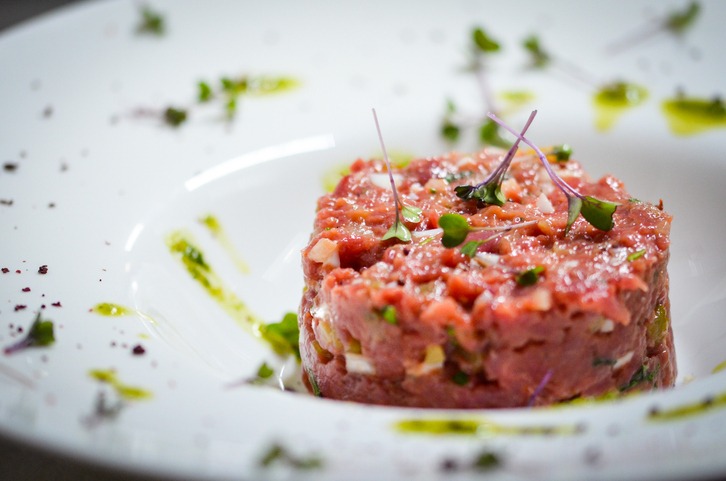
Over time, this raw minced meat evolved. In Russia, it became known as steak tartare, named after the Tatars (a term Europeans used to refer to Mongol and Turkic peoples). Russians sometimes served it with raw egg and seasoning. Though it started as a practical wartime solution, steak tartare developed into a delicacy.
Later, this dish would find a more refined version in France during the early 20th century. French chefs added capers, onions, and seasonings, elevating raw minced meat into fine dining. But that’s a side story. The real hamburger was still forming elsewhere.
German Transformation: From Tartare to Hamburg Steak
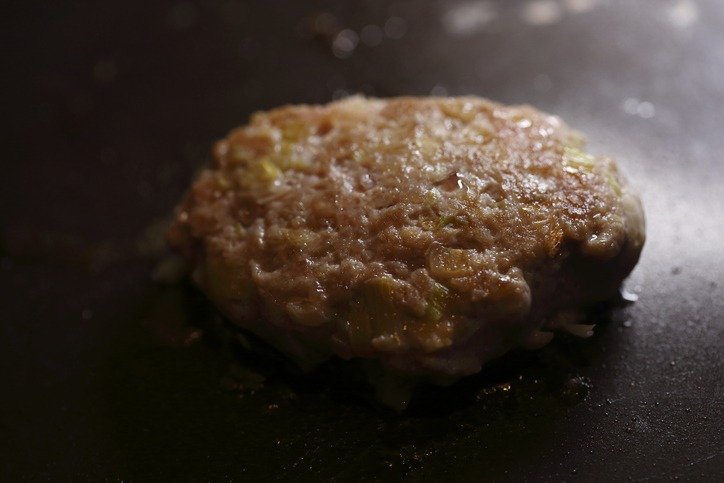
In the 17th and 18th centuries, Hamburg, Germany, became an important trade hub. Russian sailors and merchants who passed through Hamburg brought steak tartare with them. The German locals, however, had no taste for raw meat. Instead, they decided to cook it. They molded the meat into patties and pan-fried it. The result was the “Hamburg steak”—a seasoned ground beef patty, served hot and usually accompanied by onions or gravy.
By the early 1800s, Hamburg steak was a common dish among working-class Germans. It was filling, easy to prepare, and nutritious—perfect for laborers and seamen.
Crossing the Atlantic: German Immigrants and New York Restaurants
In the 19th century, millions of Europeans emigrated to the United States, including many Germans. Ships often departed from Hamburg and arrived in New York, bringing with them not only people but cultural traditions—including food.
Restaurants and food stalls in New York, especially near the harbor, started offering “Hamburg-style steak” to cater to German immigrants. These meals featured seasoned ground beef patties, sometimes served with bread or potatoes. Menus began listing “Hamburg steak,” and American diners grew familiar with the dish.
By the mid-1800s, the Hamburg steak had become a staple at New York eateries. In 1873, for example, Delmonico’s, one of the most famous restaurants in the city, offered a “Hamburg steak” on its menu for 11 cents.
From Hamburg Steak to Hamburger Sandwich

At some point, someone had the idea to serve the Hamburg steak between two pieces of bread. This move turned a knife-and-fork meal into a handheld sandwich. The exact origin of the modern hamburger is debated, with several towns in the U.S. claiming the invention.
Here are some popular claims:
-
Louis’ Lunch (New Haven, Connecticut) – Founded in 1895, this lunch wagon began serving ground beef patties between bread in the early 1900s. They still operate today, grilling burgers on cast-iron vertical broilers.
-
Charlie Nagreen (Seymour, Wisconsin) – In 1885, he reportedly sold Hamburg steaks at a fair but noticed people struggled to eat them while walking. So, he flattened the patty and served it between two slices of bread, calling it a “hamburger.”
-
Frank and Charles Menches (Ohio) – These fair vendors claimed they ran out of pork for sandwiches in 1885 and switched to ground beef instead. They called the result a “hamburger,” allegedly after the town of Hamburg, New York.
-
Fletcher Davis (Texas) – He is said to have sold a similar sandwich at the 1904 St. Louis World’s Fair, helping popularize the concept nationally.
Regardless of who deserves credit, the late 19th and early 20th centuries were key to the hamburger’s transformation. It went from a cooked patty on a plate to a sandwich held in your hands.
The Birth of the Fast-Food Burger

The hamburger gained even more momentum in the early 20th century with the rise of fast food. White Castle, founded in 1921 in Wichita, Kansas, was the first chain to mass-produce and market hamburgers. They emphasized cleanliness and consistency, helping to overcome public skepticism about ground beef safety.
Later came McDonald’s, Burger King, Wendy’s, and others, turning the hamburger into a global symbol of American cuisine. The simplicity of meat, bun, and condiments became endlessly customizable. Bacon, cheese, lettuce, tomato—every region and restaurant developed its own style.
Conclusion: A Global Journey in a Bun
The hamburger didn’t start in America, but the U.S. made it iconic. Its origins span Mongolia, Russia, Germany, and New York. From saddle-tenderized horse meat to the Big Mac, the evolution of the hamburger is a story of migration, innovation, and taste.
Today, burgers come in all forms—beef, veggie, chicken, or even lab-grown. But every time you bite into one, you’re tasting a food with a long, unexpected history that began centuries ago, far from the drive-thru.