
Simple. Wholesome. Memorable.
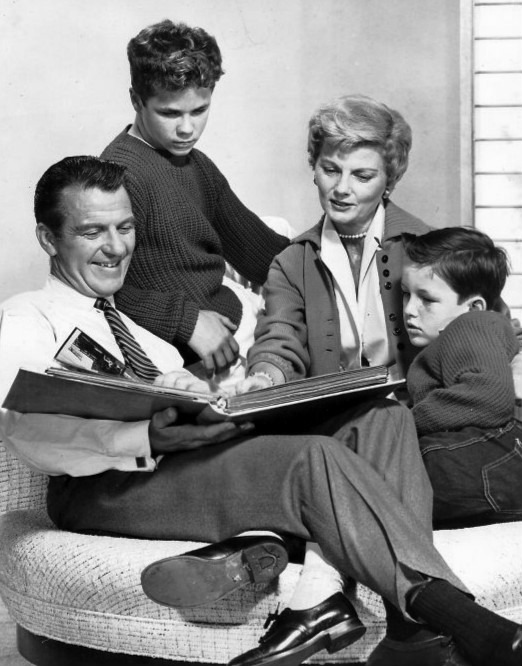
That’s how many viewers describe Leave It to Beaver, a classic American sitcom that first aired in the late 1950s. The show follows the everyday life of a young boy named Theodore “Beaver” Cleaver and his adventures growing up in the fictional town of Mayfield. Alongside Beaver are his parents, Ward and June Cleaver, and his older brother, Wally.
The series ran for six seasons and left a lasting impression on American pop culture. While it portrayed a seemingly ideal suburban life, it also tackled real issues kids face as they grow up—honesty, responsibility, peer pressure, and making the right choices.
Cast and Characters
View this post on Instagram
The Cleaver family quickly became television icons. The show’s main cast included:
-
Jerry Mathers as Theodore “Beaver” Cleaver
-
Tony Dow as Wally Cleaver
-
Barbara Billingsley as June Cleaver
-
Hugh Beaumont as Ward Cleaver
Beaver, the youngest, is curious and often finds himself in trouble despite good intentions. Wally, the older brother, is more level-headed and often helps Beaver navigate life. Their parents, Ward and June, provide calm guidance and set a strong moral example.
A Fresh Perspective in Sitcoms
View this post on Instagram
Leave It to Beaver was created by Joe Connelly and Bob Mosher, who wrote many of the show’s scripts. What made it stand out at the time was its point of view. Most sitcoms were told from the perspective of adults. This show flipped the script.
Connelly and Mosher based much of the series on real experiences with their own children. By writing from a child’s perspective, they captured the everyday thoughts and dilemmas of young boys in the 1950s and early 1960s. The result was a show that felt honest, relatable, and entertaining.
Common Themes and Messages
Each episode of Leave It to Beaver followed a familiar pattern. Beaver or Wally would face a problem. Sometimes they would lie. Sometimes they would disobey. But each time, they learned a lesson.
The most common theme was the difference between right and wrong. The show never preached. Instead, it used simple stories to show that doing the right thing—even when it’s hard—is usually the best choice.
Other recurring themes included:
-
Family values
-
Honesty and integrity
-
Friendship and loyalty
-
Consequences of actions
-
Navigating school and social situations
These ideas still resonate today, which is part of why the show remains popular.
A Lasting Impact
Leave It to Beaver first aired in 1957 and ran until 1963. It had 234 episodes and was among the few shows of the era to be broadcast entirely in black and white. While many shows ended without much ceremony, Leave It to Beaver had one of the earliest proper series finales. The final episode, titled “Family Scrapbook,” featured flashbacks as the Cleaver family looked through old photos and shared memories—a touching way to say goodbye.
The show’s impact continued long after its original run.
Spin-offs and Revivals
-
1983: A reunion TV movie titled Still the Beaver aired on CBS. It showed Beaver as a divorced dad returning to live with his mother, June.
-
1984–1989: A follow-up series, also called The New Leave It to Beaver, aired on cable. It focused on Beaver, now raising his own sons. Many original cast members returned.
-
1997: A theatrical remake of the original series was released. It starred a new cast and updated the story for modern audiences.
While the remake didn’t capture the same charm, it introduced the story to a younger generation.
Behind the Scenes: Lesser-Known Facts
Here are some interesting details that many fans may not know:
-
First Show with a True Series Finale: “Family Scrapbook” was the first TV sitcom to intentionally end with a flashback episode.
-
June’s Pearl Necklace: Barbara Billingsley wore pearls in every episode to hide a small scar on her neck.
-
High Heels on Set: As the boys grew taller, Billingsley wore heels to maintain a consistent on-screen height.
-
The Location Mystery: Mayfield’s exact location is never revealed. However, references to surfing and beach life hint at a West Coast setting.
-
Early Start for Jerry Mathers: Jerry Mathers began his career at age 2½ when he was spotted by a store manager while shopping with his mother. He later appeared in commercials and films before landing the role of Beaver.
Why the Show Ended
By 1963, the cast was ready to move on. Jerry Mathers had just started high school. Tony Dow was about to graduate. Both actors wanted to focus on education and personal growth. The show’s producers respected their decision.
Even though the series ended on a high note, its popularity remained strong through syndication. Reruns aired for decades on local stations, cable channels, and streaming services.
Why It Still Matters
To modern audiences, Leave It to Beaver may seem outdated. The language is formal. The problems are small. But that’s part of its appeal.
The show offers a window into a specific time in American life. More importantly, it models respectful family dialogue, personal responsibility, and kindness—values that never go out of style.
For older generations, it brings back memories of their own childhoods. For younger viewers, it offers a different kind of television experience—slower, gentler, and often more thoughtful.
Final Thoughts
Leave It to Beaver is more than a nostalgic sitcom. It helped shape the TV family genre. Its lessons are timeless, its characters lovable, and its stories surprisingly relatable even decades later.
Whether you’re discovering it for the first time or revisiting it after many years, Leave It to Beaver still has something to say. And sometimes, that message is just what we need.