

And now for something completely different…
That phrase introduced the world to Monty Python’s Flying Circus, a sketch comedy show that changed television forever. The series ran on the BBC from 1969 to 1974 and featured Graham Chapman, John Cleese, Eric Idle, Michael Palin, and Terry Jones, along with American animator Terry Gilliam. Their mix of surreal humor, intellectual wit, absurdist sketches, and animated transitions stood apart from anything else on TV at the time.
The show may have started with modest ratings, but it grew into one of the most influential comedy series in history. Here’s a look at some fascinating and lesser-known facts about Monty Python’s Flying Circus.
1. The Group Considered Many Other Titles
Before settling on Monty Python’s Flying Circus, the team brainstormed several bizarre and playful titles. Some contenders included:
-
Owl Stretching Time
-
The Toad Elevating Moment
-
A Horse, a Spoon, and a Bucket
-
Whither Canada?
-
Baron von Took’s Flying Circus (a tribute to Barry Took, the BBC executive who championed the show)
The final title was chosen partly because it sounded ridiculous and suggested the unexpected. “Monty Python” didn’t refer to anyone in particular, and that was the point.
2. Spike Milligan Was a Key Influence
Legendary British comedian Spike Milligan helped shape the Pythons’ comedic approach. He co-created The Goon Show, a radio program from the 1950s known for its chaotic and surreal humor. It was also a favorite of The Beatles. Later, Milligan starred in Q5, a sketch comedy series that debuted just before Flying Circus.
The Pythons admired Milligan’s anarchic style. Michael Palin even met Q5 director Ian MacNaughton, who later became the main director of Monty Python’s Flying Circus.
3. The Iconic Opening Theme Was Free
View this post on Instagram
The show’s theme song, “The Liberty Bell,” was written by American composer John Philip Sousa. The Pythons picked it not just because it sounded grand and ironic, but also because it was in the public domain—meaning they could use it without paying royalties.
4. John Cleese Almost Left After One Season
John Cleese was skeptical about staying with the show. He loved working with the group but didn’t want to feel “married” to them. He agreed to continue for a while longer, but he left before the fourth season. Despite his early departure, Cleese remained an iconic part of the troupe and co-wrote and starred in their later films.
5. The BBC Nearly Canceled It
Early ratings for Flying Circus were low, and many BBC executives didn’t get the humor. Some even called it “disgusting.” Despite this, the show survived. Strong support from younger audiences and critics helped convince the network to keep it going. The series eventually ran for four seasons and inspired countless imitators.
6. ABC Recut the Show—and Got Sued
When ABC acquired the U.S. rights to air Flying Circus in 1975, they heavily re-edited the episodes to fit time slots and American sensibilities. The changes upset the Pythons, who felt their work was butchered. They sued ABC, and though the court ruled that ABC had violated their artistic rights, the network was initially allowed to continue. However, the case set a precedent, and the Pythons eventually won full control over their material in the U.S.
7. The “Spam” Sketch Changed Internet Language
In one of the show’s most famous sketches, a restaurant menu features every item with Spam. The characters chant “Spam, Spam, Spam” repeatedly, drowning out all other conversation. This absurdity inspired the modern term “spam” to describe annoying and repetitive junk email. Tech culture borrowed the term, and it stuck.
8. The Famous Foot Is From a Renaissance Painting
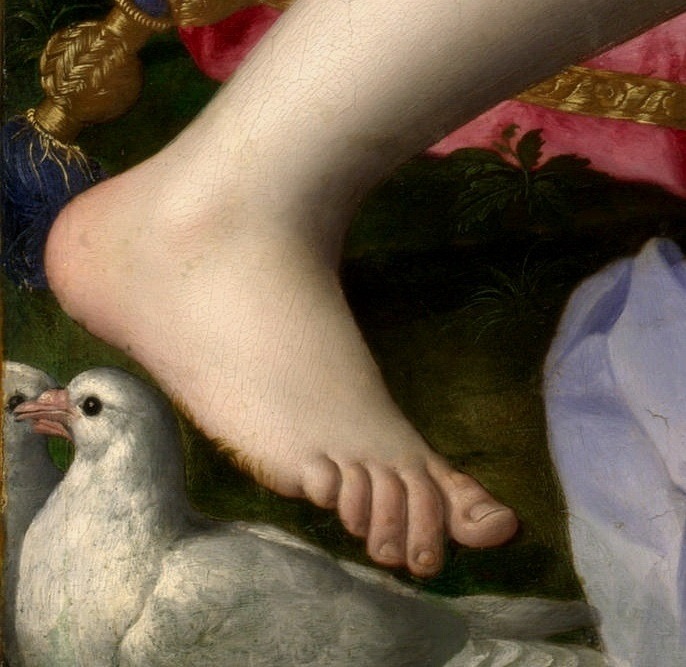
The foot that stomps down in the show’s opening animation comes from the 16th-century painting Venus, Cupid, Folly and Time by Agnolo Bronzino. Animator Terry Gilliam borrowed the image of Cupid’s foot for comedic effect. This quirky visual became one of the show’s most recognizable symbols.
9. The “Dead Parrot” Sketch Was Based on a Car Complaint
One of the best-known sketches features John Cleese returning a dead parrot to a pet shop, only for the clerk (Michael Palin) to insist that the parrot is just “resting.” This routine originated from an earlier Cleese and Chapman sketch, where a man tries to return a faulty car and the salesman refuses to admit there’s a problem. The dead parrot version took the concept to new comedic heights.
10. The Phrase “And Now for Something Completely Different” Came From the BBC
This line became a signature catchphrase, but it didn’t start with the Pythons. The BBC used it to transition between programs on radio and television. The Pythons repurposed it as a recurring punchline to introduce their often disconnected and unpredictable sketches.
11. Terry Gilliam Was the Only American
Terry Gilliam stood out among the group not just for his U.S. roots but also for his unique animation style. His cut-out animations connected many of the show’s sketches and added an extra layer of surrealism. After Flying Circus, Gilliam went on to direct films like Brazil, Time Bandits, and 12 Monkeys.
12. The Pythons Wrote Collaboratively—but with Rules
Although the group worked as a team, they split into writing pairs: Cleese and Chapman, Palin and Jones, and Idle on his own. Each pair developed sketches and then the group reviewed them together. They only included material that got a laugh from the whole team. That high bar helped maintain the show’s unique tone and consistent quality.
13. Americans Took Time to Catch On
When PBS stations in the U.S. began airing Flying Circus in the mid-1970s, the initial reception was mixed. Some viewers were confused by the humor. But as college students and younger viewers embraced the show, its popularity spread quickly. By the late 1970s, Monty Python had a major cult following in the United States.
14. They Took Sketches to the Big Screen
Following the show’s success, the group transitioned to film. Their first movie, And Now for Something Completely Different (1971), was a collection of re-filmed sketches from the series. Later films like Monty Python and the Holy Grail (1975), Life of Brian (1979), and The Meaning of Life (1983) featured original material and became international hits.
15. Python Inspired Countless Comedians
Monty Python’s Flying Circus influenced generations of performers. Comedians like Rowan Atkinson (Mr. Bean), Eddie Izzard, Trey Parker and Matt Stone (South Park), and even Saturday Night Live cast members cite the group as a major inspiration. Their mix of intellectual humor and absurdity opened new doors for comedy on television and stage.
16. The Final Episode Didn’t Feel Final
The last episode aired in December 1974, but it didn’t feel like a grand finale. There was no big farewell or retrospective. The Pythons simply moved on to other projects. Still, Flying Circus lives on through syndication, streaming platforms, and box sets.
17. A Reunion Happened Decades Later
In 2014, the surviving Pythons reunited for a series of live shows in London titled Monty Python Live (Mostly). The event celebrated their 45th anniversary and gave fans a chance to relive classic moments. Though Graham Chapman had passed away in 1989, the group included him through video and tributes.
Final Thoughts
Monty Python’s Flying Circus broke all the rules and rewrote the comedy playbook. It didn’t just make people laugh—it made them think, question, and embrace the absurd. The show’s blend of wordplay, slapstick, satire, and surrealism continues to influence comedy today.
More than 50 years later, the Flying Circus still flies high.